NEWS    RECALLS    COMPLAINT FORM    SCAM ALERTS   RESOURCES  
Small Claims Guide   Class Actions   Lemon Laws   FAQ   Newsletters  
Bookmark and Share


Complain about a product or service

Automotive    Education    Employment    Electronics    Family    Finance    Health    Homeowners    Insurance    Pets    Shopping    Travel     Print This     Email This    


NEWS   Latest |  Archives |  Auto |  Cells, etc. |  Computers |  Financial |  Health |  Homeowners |  Parents |  Privacy |  Scams |  Seniors |  Travel

How To Survive The New Credit Card Rules

Even good customers will feel the impact


By Mark Huffman
ConsumerAffairs.com

August 24, 2009

Credit Tips And Tricks
Get Control of What You Owe
No Easy Way Out Of Credit Card Debt
Penalty Fees, Interest Rate Hikes, and Misleading Contracts Await Credit Card Shoppers
"Convenience Checks" Carry a Heavy Price Tag
Understanding Credit
Credit Bureaus: Who You're Dealing With
Reading Your Credit Report
Credit Scoring: The Fickleness of FICO
Credit Knowledge: A Long, Hard, Struggle
---
News
New Credit Card Rules Take Effect February 22
Credit Card Direct Mail Back on the Rise
FTC Urged To Place Tighter Controls On 'Free' Credit Reports
Attorneys General Warn of 'Free' Credit Report Confusion
Retailers: Hidden Credit Card Fees Cost Jobs
Interchange Fees Fleecing Consumers, Retailers Say
Minnesota Sues Clinic For Credit Card Fraud
Retailers Applaud GAO Report On Interchange Fees
Schumer Moves to Clean Up Credit Reporting Ads
---
More about credit cards

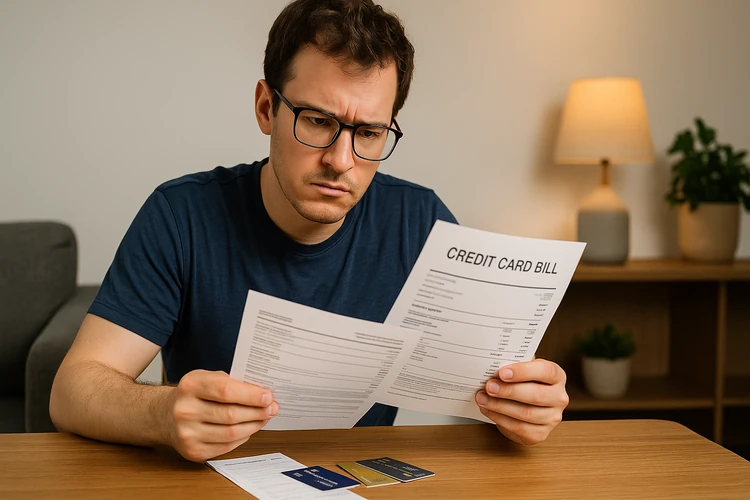
The first phase of the Credit Card Accountability, Responsibility and Disclosure (CARD) Act of 2009 went into effect last week, with the rest of the rule changes taking effect in February. Congress changed the law to help consumers, but like many of Congress's actions, this one is producing unintended consequences.

True, the new law addresses some of the industry's long-standing abuses. It prevents lenders from raising rates on existing balances. Payments must be applied first to the part of your balance that has the highest interest rate. And universal default – raising your rate because you happen to be late paying some other, unrelated bill – will be a thing of the past.

But banks will still make profits, and if they don't get your money one way, they'll try to do it another way that isn't impacted by the new law. In fact, that process has already started. with credit card companies using the time between last May's passage of CARD and the effective date to do all the things they will soon be prevented from doing.

Many consumers who considered themselves good credit card customers have had their accounts unilaterally closed by the lender. Others have had their rates hiked substantially. Still others have seen their minimum monthly payments almost double.

Now, some consumers will be charged for the privilege of carrying a credit card. Citigroup announced last week that it will begin imposing an annual fee on account holders. Other banks are expected to follow suit.

To keep the credit you have and avoid new fees, there are a number of steps consumers should take.

First, if you have credit, use it. Most of us have one or two credit cards we like to use and tend to ignore the rest. In the new credit environment, banks will be quick to close accounts that lie dormant. An open credit line is an element of risk for a bank. If it's not providing revenue, the bank sees no reason to keep it open.

To prevent the lender from closing your account, try to use each card for a small purchase once every three months. When the bank reviews your account, it will see some activity and will be less likely to close it.

Second, don't add to your balances. In fact, pay them down if possible. Banks have been reducing credit limits and have targeted consumers with high debt to credit ratios.

Personal finance experts suggest a debt to credit ratio of 10 percent is ideal. If you don't carry a balance on the card – paying it off in full each month – you have almost nothing to worry about in that regard.

Third, look around for lower interest rate alternatives if you're carrying a balance on a major bank card. Almost all credit card issuers are raising rates to make up for the fact that delinquencies are on the rise.

That said, it will be very hard to find an interest rate below 10 percent in this new environment, even with stellar credit. But one often overlooked credit source is a credit union. By joining a credit union you should be able to get a credit card with a lower than average rate.

Finally, make sure you pay your credit card bill on time. The penalty for not doing so is steep, and will likely get steeper. Not only will you pay a late fee, the “penalty” rate for a missed payment could be in excess of 30 percent.

As the credit environment changes, consumers will have to stay alert. That means reading every communication that comes from your lender. It could contain important changes to your account, and not acting on the information could result in needlessly higher fees and interest rates in the new credit universe.


Report Your Experience
If you've had a bad experience -- or a good one -- with a consumer product or service, we'd like to hear about it. All complaints are reviewed by class action attorneys and are considered for publication on our site. Knowledge is power! Help spread the word. File your consumer report now.

FREE CONSUMER NEWSLETTERS

The Daily Consumer
Afternoons M-F

Sign up now!


Consumer News & Alerts
Every Sunday

Sign up now!

Follow us on Twitter.


CONSUMER NEWS

SAFETY RECALLS

Back to the top |

Advertisement


Custom Search
AUTOMOTIVE
• Dealers
• Manufacturers
• Service
• Extended Warranties
• Lemon Laws
• Recalls
• Tires
• Transporters

FAMILY
• Aging
• Children, Parenting
• Recalls
• Dating
• Education
• Entertainment
• Pets
• Weddings
FINANCE
• Annuities
• Banks
• Credit Cards
• Debt Collection
• Debt Counseling
• Insurance
• Investing
• Loans
• Mortgages
• Payday Loans
• Student Loans
• Tax Prep

HEALTH
• Doctors
• Drugs, Pharmacies
• Health Clubs
• Hearing Care
• Hospitals
• Nursing Homes
• Nutrition, Diets
• Vision Care
• Weight Loss
HOUSE & HOME
• Appliances
• Cookware
• Furniture
• Home Improvements
• Lawn & Garden
• Movers
• Pools & Spas
• Realtors, Rental Agents
• Recalls
• Utilities

ELECTRONICS
• Cable TV/DBS
• Cameras
• Cell Phones
• Computers
• Home Electronics
• Internet Access
• Local Phone Service
• Long Distance
• VoIP
SHOPPING
• In-Home
• Online
• Retail Stores
• Sporting Goods
• Supermarkets
• Telemarketers

TRAVEL
• Airlines
• Bus Lines
• Car Rental
• Cruises
• Hotels
• Travel Agents
• Trains

RESOURCES
• Class Actions
• Complaint Form
• Small Claims Guide
• Lemon Laws
CONSUMER NEWS
• Latest News
• Automotive
• Telecom
• Financial
• Health
• Homeowners
• Scams
• Seniors
• Travel
• More ...

RECALLS
• Automotive
• Children's Products
• Drugs
• Food
• Household Products
• Sporting Goods

ABOUT US
• FAQ
• Privacy Policy
• Advertise With Us
• Newsroom
• Syndication
• Terms of Use

Terms of Use Your use of this site constitutes acceptance of the Terms of Use

Advertisements on this site are placed and controlled by outside advertising networks. ConsumerAffairs.com does not evaluate or endorse the products and services advertised. See the FAQ for more information.

Company Response Welcome If complaints about your company appear on our site, we welcome your response. Please see the Response Form for more information.

For more information, see the FAQ and privacy policy. The information on this Web site is general in nature and is not intended as a substitute for competent legal advice.  ConsumerAffairs.com Inc. makes no representation as to the accuracy of the information herein provided and assumes no liability for any damages or loss arising from the use thereof. 

Copyright © 2010 ConsumerAffairs.com Inc.  All Rights Reserved.    The contents of this site may not be republished, reprinted, rewritten or recirculated without written permission.