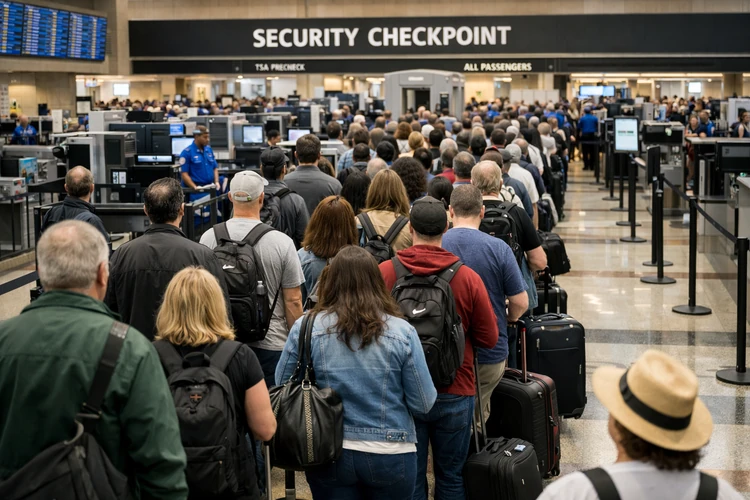
A group of consumers has filed a class action lawsuit against Verified Identity Pass (VIP) after the company refused to provide refunds to members of its popular Clear program, which reduced security wait times for consumers willing to pay an annual fee and undergo preemptive security screenings.
Clear closed on June 22 after a dispute with a senior creditor. Lead plaintiff Stephen Perkins received an e-mail saying that, because of financial constraints related to the credit problem, VIP could not issue refunds to existing customers.
The suit, filed in New York by San Francisco law firm Schneider Wallace Cottrell Brayton Konecky, alleges that VIP continued charging customers until the minute it shuttered its doors, and that it has since refused to reimburse passengers. The suit calls Clear a cut-and-run gambit, and alleges counts in conversion, fraud, breach of contract, negligence and unjust enrichment. The plaintiffs are seeking both compensatory and punitive damages.
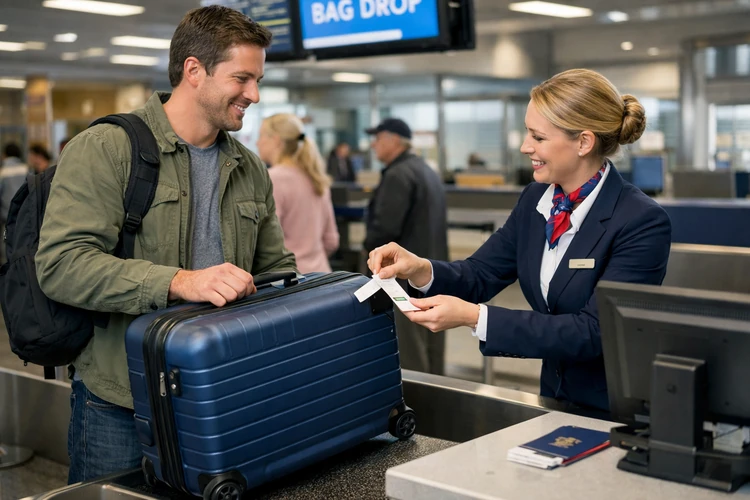
The program allowed passengers access to fast lanes, saving considerable time and hassle during the airport check-in process. To be eligible, passengers had to pay an annual membership fee and undergo extensive security screening, which included providing social security numbers, fingerprints, and eye scans. Since its 2005 inception, the program had been implemented at 18 airports and boasted around 250,000 members.
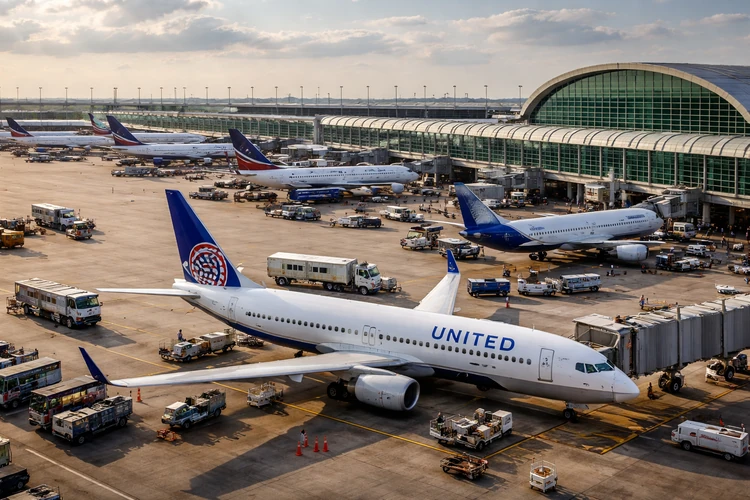
VIP claimed that the program could reduce security wait times to as little as five minutes. When the program was initiated last year at Hartsfield-Jackson International Airport in Atlanta -- the nation's busiest air hub -- the average wait time fell to just ten minutes.
The program was especially appealing to business travelers, who tend to fly often and are more willing to pay to reduce the stress of traveling. However, Clear members were never exempt from many standard-fare security procedures, like removing laptops from their cases and taking off their shoes before boarding.
Confidentiality concerns
The program's official website, flyclear.com, is adamant that any confidential information provided by Clear customers will be protected. The website maintains that any personal information would only be used for another Clear-like program that is approved by the Transportation Security Administration (TSA).
The website doesn't say, however, whether consumers would need to provide authorization before having such information handed over. The site also says that all customers will be notified by e-mail once their information has been permanently deleted.
VIP has reason to be overly cautious about customers' personal data. Clear was suspended last August when a laptop containing confidential information of 33,000 members was stolen from San Francisco International Airport. The computer, which contained names, addresses, and drivers' license numbers, was stolen from a locked office in the airport. After the incident, the TSA ordered VIP to take extra measures to protect customer information, including encryption of its computers. The information on the laptop was password-protected but not encrypted.
Not surprisingly, Congress isn't willing to give VIP the benefit of the doubt this time around. Last week, the House Homeland Security committee asked the TSA to release any information it has on data still being held by VIP. The committee asked the TSA to explain what role it will take in protecting the information, and emphasized that the sale, disposal, transfer, or destruction of this type of data cannot be undertaken without safeguards designed to ensure that the information will not be compromised. The committee has asked for a response by July 8.
Consumers looking for information or further guidance from VIP have been left in the lurch as well. Under the heading, How Can I Contact Clear? the Clear website refers consumers back to -- the website, at flyclear.com. In case there was any confusion, the site further explains that Clears call center and customer support email service are no longer available. VIP has not yet filed bankruptcy, according to the webpage.