CONSUMER NEWS    RECALLS    COMPLAINT FORM    SCAM ALERTS  


Complain about a product or service

Small Claims Guide | Class Actions | Lemon Law | FAQ | Resources | Newsletters | Spanish
Automotive    Education    Electronics    Family    Finance    Health    Homeowners    Shopping    Travel   
NEWS   Latest |  Archives |  Auto |  Cells, etc. |  Computers |  Financial |  Health |  Homeowners |  Parents |  Privacy |  Scams |  Seniors |  Travel

New Guidelines for Stubborn High Blood Pressure

Patients who don't respond to normal treatments may benefit


April 8, 2008

Statins May Help Reduce Blood Pressure
New Guidelines for Stubborn High Blood Pressure
Study: New Blood Pressure Rx Has Fewer Side Effects
Weight Loss Found Effective in Reducing Blood Pressure
Blood Pressure Patients Ignore Recommended Diet
Study: Beetroot Juice Can Beat High Blood Pressure
How Much Sodium Is Too Much? It Depends
Blood Pressure: What You Don't Know Can Kill You
Diuretics May Be Best Blood Pressure Treatment
Researchers Find Gene Implicated in High Blood Pressure
FDA Approves New Beta Blocker
VA Study Finds Seasonal Differences in Blood Pressure
Heavy Drinking Linked To High Blood Pressure In Older Men
Yoga May Help Control Blood Pressure
High Blood Pressure Often Undiagnosed in Children, Teens
Small Amounts Of Exercise Can Lower Blood Pressure
Cocoa, Not Tea, Appears To Lower Blood Pressure
FDA Green Lights New Blood Pressure Drug
Researchers Find Chinese Herb Reduces Blood Pressure
Moderate Drinking May Be OK for Men with High Blood Pressure
High Blood Pressure Not Well Controlled Among Older Patients
Small Doses Of Exercise Can Lower Blood Pressure
Medical Experts Call for FDA Action on Salt
---
Health News

Getting blood pressure under control is sometimes as simple as losing weight and adding a daily walk. But for many others, it's not that easy.

Patients who don't respond to normal treatment regimens are said to have "resistant" high blood pressure -- and until now, there hasn't been a broad medical consensus on how to handle such cases.

New guidelines adopted by the American Heart Association may change that. Published online in Hypertension: Journal of the American Heart Association, the association's guidelines are the first consensus statement to define a condition known as resistant hypertension and to recommend an approach for evaluation and treatment.

Hypertension is called resistant if a person’s blood pressure remains above goal despite their taking three medications to lower it. High blood pressure that is under control, but requires four or more medications to treat it is also considered resistant to treatment.

“Patients need to recognize the importance of blood pressure control and that in most cases they will need a combined approach of lifestyle changes and medication for effective treatment,” said David A. Calhoun, M.D., chair of the guideline-writing committee.

“Doctors must recognize that resistant hypertension requires special consideration in terms of evaluation and treatment,” Calhoun said.

Diuretics are often underused in people with resistant hypertension, and some patients may benefit from adding mineralocorticoid receptor antagonists (MRAs) to their treatment regimens, according to the statement. MRAs treat a condition called primary aldosteronism, which is found in about 20 percent of patients with resistant hypertension.

“The benefit of mineralocorticoid receptor antagonists in treating resistant hypertension has only been recently confirmed,” said Calhoun, a professor of medicine in the Vascular Biology and Hypertension Program at the University of Alabama at Birmingham.

“Hypertension specialists are likely using them to a greater degree, but they are probably not being broadly used to address this problem. Using MRAs requires special biochemical monitoring, particularly to measure blood levels of potassium due to the risk of hyperkalemia (a condition caused by abnormally high potassium levels in the blood).”

The scope of resistant hypertension has not been quantified, but clinical trials suggest it may affect up to 30 percent of people with high blood pressure.

“Older age and obesity are two of the strongest risk factors associated with resistant hypertension. The condition will likely become even more common as the population ages and becomes heavier,” the committee wrote.

People with resistant hypertension have a high cardiovascular risk and often multiple health conditions that complicate their blood pressure management.

It’s important to determine that a person’s condition truly is resistant, said the committee, which wrote: “Uncontrolled hypertension is not the same as resistant hypertension. Uncontrolled blood pressure can be caused by poor medication adherence and/or an inadequate treatment regimen.”

Confirming resistance is the first step in evaluating difficult-to-treat high blood pressure.

Successful treatment of resistant hypertension requires consideration of lifestyle factors that contribute to treatment resistance, diagnosing and treating secondary causes of high blood pressure and using multiple-drug treatments effectively, the committee said.

Lifestyle factors


Weight: Obesity is associated with more severe high blood pressure, and the need for multiple medications to control blood pressure. Thus, obesity is a common feature of resistant hypertension. Weight loss, although not specifically evaluated in patients with resistant hypertension, has clear benefits in reducing blood pressure and the number of medications required to control blood pressure.

Sodium: High dietary salt intake is common in patients with resistant hypertension and more pronounced in typical salt-sensitive patients including the elderly, blacks, and in particular, patients with chronic kidney disease. In patients with general high blood pressure, reducing dietary salt intake can reduce systolic and diastolic blood pressure by 5–10 and 2–6 millmeters of mercury (mm Hg), respectively. Black and elderly patients tend to show greater benefits from reducing salt intake.

Alcohol: Heavy alcohol intake is associated with higher blood pressure and with treatment-resistant blood pressure. In one study, a small group of patients who quit heavy alcohol drinking reduced 24-hour ambulatory systolic blood pressure by 7.2 mm Hg and diastolic blood pressure by 6.6 mm Hg while dropping the prevalence of hypertension from 42 percent to 12 percent.

Secondary causes

Patients with resistant hypertension often have potentially reversible causes of hypertension contributing to their treatment resistance.

Obstructive sleep apnea, renal parenchymal disease, primary aldosteronism and renal artery stenosis are often present in people with resistant hypertension. Treating these disorders, which may include referral to a specialist, can improve blood pressure control.

Medications


Withdraw interfering drugs: Drugs that increase blood pressure, such as non-steroidal anti-inflammatory drugs (NSAIDs) like aspirin, should be withdrawn or reduced, if possible. An effective multi-drug regimen to reduce blood pressure is essential.

Diuretics: Reports from hypertension specialty clinics indicate that treatment resistance is often in part related to lack of or underuse of diuretics.

Mineralocorticoid receptor antagonist: An MRA can provide significant antihypertensive benefit when added to existing multi-drug regimens. In a small study of patients taking an average of four anti-hypertensive medications, adding a MRA lowered blood pressure on average by an additional 25 mm Hg systolic and 12 mm Hg diastolic.

Multi-drug regimens: “It seems most appropriate to continue to combine agents of different mechanisms of action,” the group wrote. “Thus, a triple drug regimen of an ACE inhibitor or angiotensin receptor blocker, calcium channel blocker and a thiazide diuretic is effective and generally well-tolerated.” Ultimately, however, combinations of three or more drugs must be tailored to the individual, considering prior benefit, history of adverse events, additional medical conditions such as chronic kidney disease or diabetes, and patient financial limitations.

Dose timing: Studies have shown that patients taking at least one of their anti-hypertensive medicines at bedtime had better blood pressure control -- in particular, lower nighttime blood pressure.

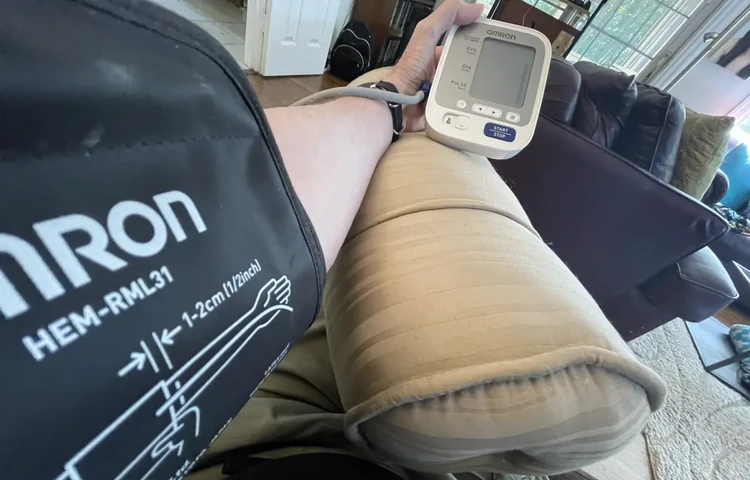
Adherence: Steps should be taken to help patients take medications regularly and properly. Prescriptions should be simplified as much as possible by using long-acting combination drugs and once-daily dosing. More frequent clinic visits and home blood pressure monitoring will generally help patients adhere to their treatment routine. And, while an expensive and labor-intense option, a team approach to treatment including nurse case managers, pharmacists and nutritionists can improve treatment results.

Report Your Experience
If you've had a bad experience -- or a good one -- with a consumer product or service, we'd like to hear about it. All complaints are reviewed by class action attorneys and are considered for publication on our site. Knowledge is power! Help spread the word. File your consumer report now.


Consumer News

May 17 2008

Recent Recalls & Safety Alerts

READER SERVICES

Print, Email & More

Subscribe

Free consumer newsletters
Sign up now!


Back to the top |

Advertisement


Home | Rogues Gallery | Good Guys | Complaint Form | News | Recalls | Search | Video | FAQ |
Consumer Resources | Small Claims Guide | Lemon Law | Newsletter | Contact Us
Advertise With Us | Testimonials | Newsroom | RSS Feeds | Radio | Job Postings


Terms of Use Your use of this site constitutes acceptance of the Terms of Use

Advertisements on this site are placed and controlled by outside advertising networks. ConsumerAffairs.com does not evaluate or endorse the products and services advertised. See the FAQ for more information.

Company Response Welcome If complaints about your company appear on our site, we welcome your response. Please see the Response Form for more information.

For more information, see the FAQ and privacy policy. The information on this Web site is general in nature and is not intended as a substitute for competent legal advice.  ConsumerAffairs.com Inc. makes no representation as to the accuracy of the information herein provided and assumes no liability for any damages or loss arising from the use thereof. 

Copyright © 2003-2008 ConsumerAffairs.com Inc.  All Rights Reserved.