|
|
NEWS
RECALLS
COMPLAINT FORM
SCAM ALERTS
RESOURCES
Small Claims Guide Class Actions Lemon Laws FAQ Newsletters |
| Automotive Education Employment Electronics Family Finance Health Homeowners Pets Shopping Travel |
|
|
![]() |
Verizon Wins Wireless Spectrum AuctionCompany forced to open network to all devices |
|||||
|
By Martin H.
Bosworth March 21, 2008
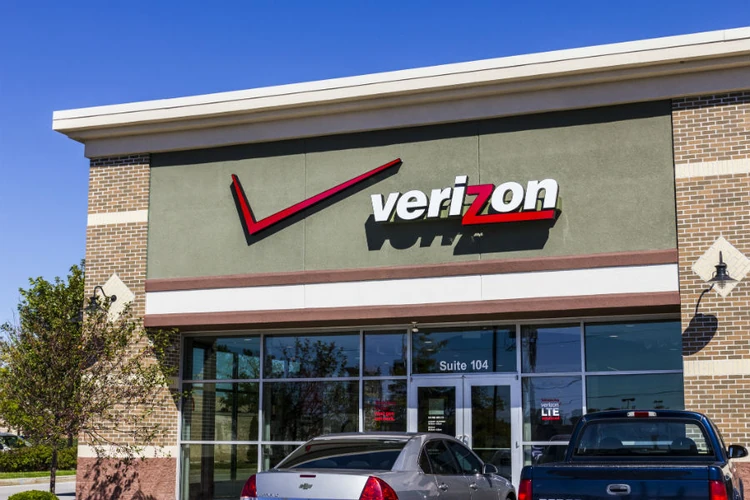
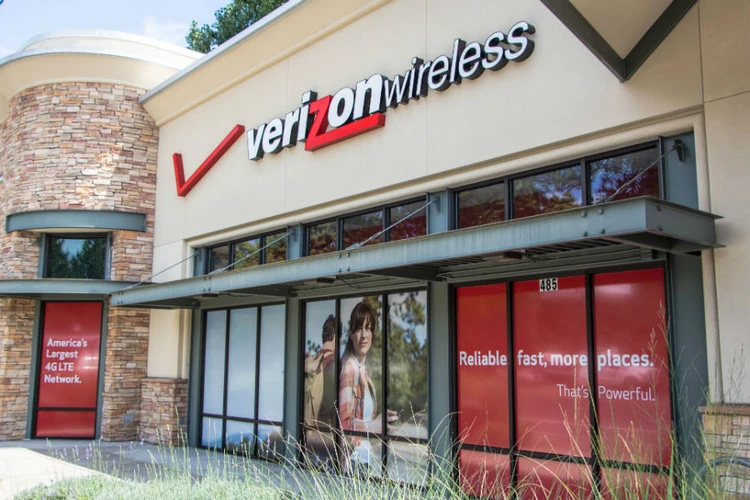
The Federal Communications Commission (FCC) announced that Verizon made the largest bid for the spectrum at $9.4 billion, followed by AT&T at $6.6 billion. Google, which had put up a bid of $4.6 billion in the auction, was not among the winners. But by placing its bid, it triggered the "open access" requirement of the auction, mandating that any company which bought the spectrum enable any phone or device from any network to use it. FCC chairman Kevin Martin hailed the auction as a success for competition. "A bidder other than a nationwide incumbent won a license in every market," Martin said. "As a result of the 700 MHz auction, there is the potential for an additional wireless 'third-pipe" in every market across the nation." Others disagreed with Martin's assessment. Ben Scott, policy director of Free Press, said that "Since Verizon is already a dominant provider of DSL, the prospect of a genuine third pipe competitor in the wireless world is now slim to none. However, consumers will benefit from the emergence of some welcome competition within the wireless market." "As a result of the auction, consumers whose devices use the C-block of spectrum soon will be able to use any wireless device they wish, and download to their devices any applications and content they wish," said Google's telecom counsel Richard Whitt. "Consumers soon should begin enjoying new, Internet-like freedom to get the most out of their mobile phones and other wireless devices." The auction was also criticized due to bidders' failure to buy up another chunk of spectrum for building a "first response" wireless network. Only one bidder, who remains anonymous due to the rules of the auction, placed an insufficient minimum bid, forcing the FCC to re-auction the spectrum at a later date. "I believe that any new auction for the 'D-block' should be consistent with an overarching policy goal of advancing public safety objectives and ultimately achieving a state-of-the-art, broadband infrastructure for first responders," said Congressman Ed Markey (D-MA). "In developing a plan for a re-auction of the [spectrum] the FCC should also take into account the auction results to gauge the level of new competition achieved." Both Markey and Martin promised to investigate why the auction to buy the spectrum for the "first response" network failed. What's next?The auction was conceived by the FCC to raise money for the U.S. Treasury, and to make use of spectrum that would go unused as a result of the nationwide switch from analog to digital television signals, taking place on February 17, 2009. Originally seen as a playground for the largest telecom companies to buy up chunks of the spectrum to expand their markets, the auction went to a different level when consumer activist groups pressured Google to join the auction, in the hopes of creating a legitimate "third pipe" wireless Internet network to compete with existing cable and telecom companies. Google agreed to put up its bid if the FCC would mandate that the spectrum be used according to Google's four principles of open platforms, but the FCC made a compromise ruling that only supported the usage of open devices and applications on the network. Although both Verizon Wireless and AT&T threatened to withdraw from the auction--and Verizon even briefly sued the FCC over the adoption of the "open access" rules---both telecoms went ahead with their bids in the end. Since then, Verizon has shifted its stance on enabling non-Verizon phones and devices to connect to its network, proclaiming that it would open its formerly "walled garden" to all users beginning in 2008. However, its recently published technical standards indicate that Verizon would be operating a "two-tier" system, one for customers on the Verizon network, and one on the new "open" network. Devices to be used on the open network may take between 4-8 weeks to get approved for use by Verizon, and may cost considerably more than regular Verizon handsets, which are subsidized in part due to multi-year contracts and "termination fees." And iPhone users hoping to switch to Verizon and take their prize with them are still out of luck--the iPhone works on the GSM network, while Verizon's network is powered by the rival CDMA standard, making iPhones incompatible. Even without winning the auction, Google also stands to gain considerably from the new open network--it has spearheaded the Open Handset Alliance, a coalition of wireless companies and device makers who agree to develop and support Android, Google's mobile phone operating system, designed to work on multiple platforms. With Verizon's rivals Sprint and T-Mobile backing the alliance, wireless users may see a variety of "Googlephones" coming their way in the near future. Report Your Experience
|
|||||
Back to the top | |
||||||
Advertisement
|
|
Custom Search
|
||||
|
AUTOMOTIVE Dealers Manufacturers Service Extended Warranties Lemon Laws Recalls Tires Transporters FAMILY Aging Children, Parenting Recalls Dating Education Entertainment Pets Weddings |
FINANCE Annuities Banks Credit Cards Debt Collection Debt Counseling Insurance Investing Loans Mortgages Payday Loans Student Loans Tax Prep HEALTH Doctors Drugs, Pharmacies Health Clubs Hearing Care Hospitals Nursing Homes Nutrition, Diets Vision Care Weight Loss |
HOMEOWNERS & RENTERS Appliances Cookware Furniture Home Improvements Lawn & Garden Movers Pools & Spas Realtors, Rental Agents Recalls Utilities ELECTRONICS Cable TV/DBS Cameras Cell Phones Computers Home Electronics Internet Access Local Phone Service Long Distance VoIP |
SHOPPING In-Home Online Retail Stores Sporting Goods Supermarkets Telemarketers TRAVEL Airlines Bus Lines Car Rental Cruises Hotels Travel Agents Trains RESOURCES Class Actions Complaint Form Small Claims Guide Lemon Laws |
CONSUMER NEWS Latest News Automotive Telecom Financial Health Homeowners Scams Seniors Travel More ... RECALLS Automotive Children's Products Drugs Food Household Products Sporting Goods ABOUT US FAQ Privacy Policy Advertise With Us Newsroom Syndication Terms of Use |
Terms of Use Your use of this site constitutes acceptance of the Terms of Use
Copyright © 2003-2009 ConsumerAffairs.com Inc. All Rights Reserved. The contents of this site may not be republished, reprinted, rewritten or recirculated without written permission. |
|