Snap recalls lithium-ion batteries sold for Pixy Flying Cameras
Snap of Santa Monica, Calif., is recalling about 71,000 lithium-ion batteries sold for Pixy Flying Cameras
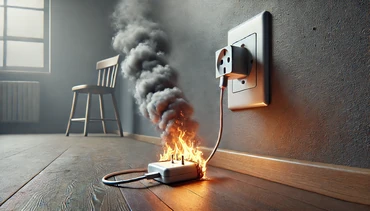
The camera's lithium-ion battery can overheat, posing a fire hazard.
The firm has received four reports of the battery overheating and bulging, resulting in one minor battery fire and one minor injury.
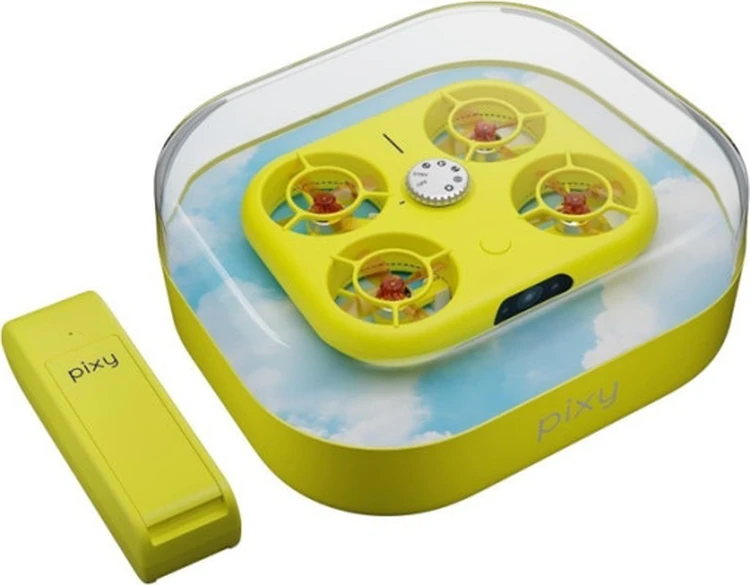
This recall involves the rechargeable lithium-ion battery sold with the pocket-sized Pixy Flying Camera.
The battery was sold separately and paired with the Pixy, which takes pictures and videos and measures about five inches long by four inches wide.
The Pixy and battery are both yellow, and the battery measures about three inches long and half an inch wide.
The batteries, manufactured in China, were sold online at Pixy.com and Amazon.com from May 2022, through December 2023, for between $185 and $250 for the Pixy Flying Camera or “Flight Pack” bundle, between $40 and $50 for the extra charger/battery, and between $16 and $20 for the battery sold separately.
What to do
Consumers should immediately stop using the Pixy Flying Camera, remove the battery and stop charging it, and then visit www.pixy.com for instructions on how to participate in the recall, receive a refund of the purchase price, and dispose of the battery in accordance with local and state regulations.
The Pixy flying camera and other Pixy accessories are also separately eligible for a refund of the purchase price.
Consumers may contact Snap’s recall hotline at (800) 269-6990 24 hours a day, by email at support@pixy.com or online at https://support.pixy.com/recall for more information.
Snap is contacting all known purchasers directly.