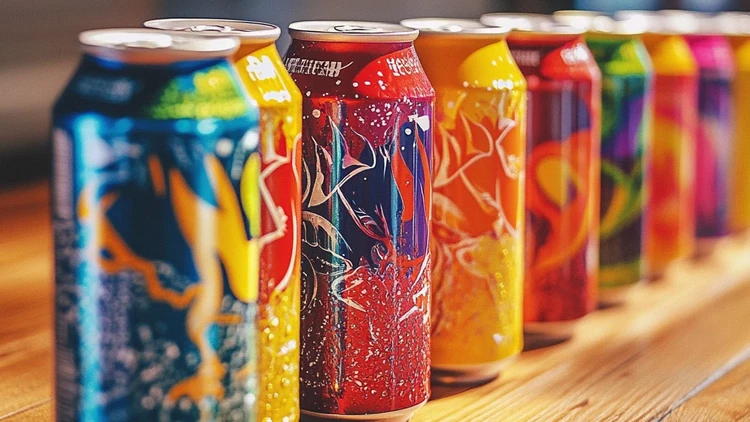
Energy drinks are popular with many young people but older folks might develop a taste for them too as the result of a new study.
Researchers writing in the journal Science have found that taurine, a supplement found in energy drinks as well as some other foods, may slow the aging process. Their study of animals who received taurine found it helped them live longer.
After determining that the amount of this semi-essential amino acid decreases in humans and animals as they age, the researchers wanted to find out if boosting taurine would help.
“Supplementation with taurine slowed key markers of aging such as increased DNA damage, telomerase deficiency, impaired mitochondrial function, and cellular senescence,” the study authors wrote. “Loss of taurine in humans was associated with aging-related diseases, and concentrations of taurine and its metabolites increased in response to exercise. Taurine supplementation improved life span in mice and health span in monkeys.”
Blood concentration of taurine declines with age in mice, monkeys, and humans. To investigate whether this decline contributes to aging, the researchers fed taurine or a control solution once a day to middle-aged, wild-type female and male mice until the end of their lives.
The results
The mice that got the taurine, both male and female, lived longer than the mice that did not get the supplement. How much longer?
The scientists say the median life span of taurine-treated mice increased by 10% to 12%, and life expectancy at 28 months increased by about 18% to 25%.
“A meaningful antiaging therapy should not only improve life span but also health span, the period of healthy living,” the researchers wrote. “We, therefore, investigated the health of taurine-fed middle-aged mice and found an improved functioning of bone, muscle, pancreas, brain, fat, gut, and immune system, indicating an overall increase in health span. We observed similar effects in monkeys.”
Other sources of taurine
You don’t have to consume energy drinks to get a boost of taurine. It’s also found in meat and fish. It’s also available in supplement form.
The Mayo Clinic advises that taurine, in certain amounts, is a safe ingredient in energy drinks. However, it cautions that energy drinks have other ingredients, such as caffeine, that may be problematic.
The big question, however, is whether taurine supplements will improve health or increase longevity in humans. The researchers say the next step is to conduct clinical trials using human subjects.
As always, any change in diet or supplement use should be discussed with a healthcare professional.