Martin H.
Bosworth
ConsumerAffairs.com
July 26, 2007
The housing slump is continuing its tailspin, as sales of both new and existing homes posted sharp drops from previous months, and stark declines of sales from a year ago.
New home sales dropped 6.6 percent to 830,000 for the month of June according to the Commerce Department's monthly deport. The decline was larger than anticipated, making the June sales report the lowest since March 2007 and the overall second-lowest since 1999.
The National Association of Realtors' (NAR) report on existing home sales was similarly grim. The NAR reported that sales of existing homes fell 3.8 percent to 5.75 million. The June sales report went even lower than reports for April and May, which both posted sales of 5.99 million units.
The one-two punch of bad housing news led the Dow Jones average to drop 400 points in trading today, as investors' fears of increasing problems from the credit and housing markets came to a head.
The continuing bad news in the housing sector is forcing economists and analysts to revise their estimates for recovery, with some saying the market won't turn around until 2009 at the earliest. One of the main factors in the housing collapse is the meltdown of the subprime market, wherein homes sold using "creative" mortgage products at high interest rates have lost their value due to overbuilding, and can't be easily resold without price cuts.
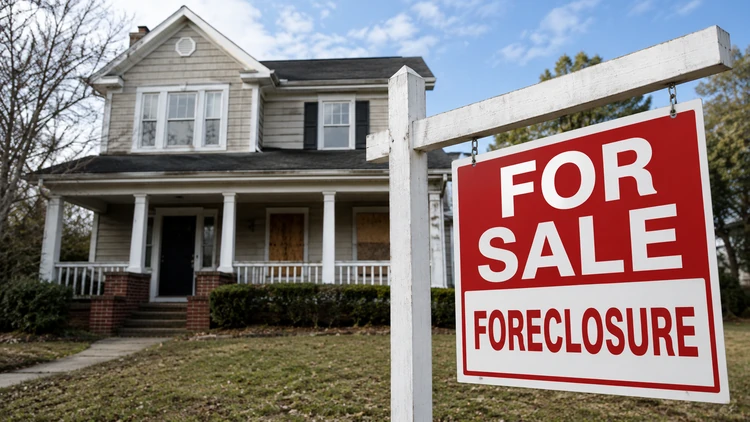
Cash-strapped homeowners who have been unable to resell are often going into delinquency or leaving the homes for foreclosure, which decreases property values and has led many lenders to tighten credit standards.
Although Federal Reserve chairman Ben Bernanke claimed on several occasions that the meltdown in the subprime sector was "contained" and would not spread to the larger housing market, more recently he admitted that the market slump was worse than originally estimated, possibly slowing overall economic growth.
The Infection Spreads
The failing housing industry is causing ripple effects across the economy at almost every level.
Hedge funds that stepped in to bolster faltering subprime lenders, such as those controlled by Bear Stearns, are now almost worthless, putting the larger asset managers at risk.
Subprime lenders such as New Century have gone out of business or filed for bankruptcy, and many large banks and lenders have reduced or shut down their "non-prime" lending units.
Wells Fargo announced today that it would shutter its nonprime wholesale lending business due to increased risk of bad loans. The company said it would continue to sell nonprime loans direct to consumers through other divisions.
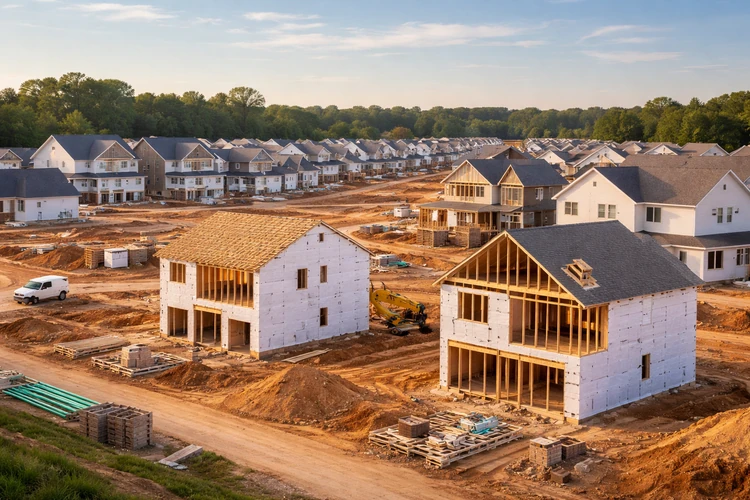
Homebuilders are also feeling the pain, with many cutting earnings projections due to the glut of homes on the market. The Dow Jones Home Construction Index fell 6 percent after several homebuilders announced dismal quarterly earnings on Thursday.
The drop marked the lowest level of home construction performance since September 2003.
High home equity and available credit was a key factor in consumer spending over the last several years, and with home values dropping and credit tightening, homeowners are less capable and inclined to purchase big-ticket items such as new cars.
The automotive sector has reported consistent weakness in sales of new cars, particularly high-end trucks and sport utility vehicles, as consumers have less available cash to buy them.