CONSUMER NEWS    RECALLS    COMPLAINT FORM    SCAM ALERTS  


Complain about a product or service

Small Claims Guide | Class Actions | Lemon Law | FAQ | Resources | Newsletters | Spanish
Automotive    Education    Electronics    Family    Finance    Health    Homeowners    Shopping    Travel   
NEWS   Latest |  Archives |  Auto |  Cells, etc. |  Computers |  Financial |  Health |  Homeowners |  Parents |  Privacy |  Scams |  Seniors |  Travel

GAO: Broadband Access Difficult To Measure


By Martin H. Bosworth
ConsumerAffairs.com

May 8, 2006

Broadband Access
Few Are Neutral in Net Neutrality Battles
Google Petitions FCC Over Verizon's Use of Wireless Spectrum
House Committee Grills FCC Over Wireless Auction
FCC's Martin: No Opening Of Wireless Networks
FCC Releases Broadband Report, Admits Data is Faulty
Verizon Wins Wireless Spectrum Auction
Bush Declares Broadband 'Connection Accomplished'
Google Will Bid In Wireless Spectrum Auction
Verizon Agrees to Stop 'Unlimited' Claims
Google Challenges Verizon Over Lobbying Of FCC
Sen. Kerry Wants New Broadband Policy
Verizon Wireless Challenges Spectrum Auction Rules
FCC Passes Compromise Rules For Wireless Spectrum Auction
Google, AT&T Square Off Over Wireless Broadband
Senate Wants Better Data On Broadband Deployment
FCC Takes a Closer Look at Broadband Deployment
Groups Urge FCC To Create Wireless Broadband Competition
FCC Chair Grilled By Congress Over Favorable Treatment of AT&T, Verizon
FCC Rolls Out New Rules On Video Franchising
FCC Approves AT&T-BellSouth Merger
AT&T Offers Net Neutrality Concessions To Win Merger Approval
FCC Plays Santa for AT&T, Verizon
Consumers Sidelined as Broadband Battles Rage
Wireless Broadband Still Expensive, Service Still Spotty
High-Speed Internet Overtakes Dial-Up in Market Share
U.S. Still Lags In Broadband Access
Municipal Wi-Fi: The Internet's Next Step?
Verizon Limits Its "Unlimited" Wireless Broadband Service
California Bill Seeks to Jumpstart Cable Competition
GAO: Broadband Access Difficult To Measure
Congress Wrestles with Net Neutrality
---
More ...

There's not only a lack of broadband access in rural areas of the U.S., there's a lack of information about broadband access in rural areas, according to a new study by the Government Accountability Office (GAO).

All the while they've been winning favorable treatment from Congress, the major telecommunications carriers have been promising to bring high-speed Internet access to rural areas. But there's little evidence that's actually happened and the foot-dragging is likely to become an issue in the upcoming off-year elections.

President Bush has made a commitment to ensuring all Americans have access to low-cost broadband service, but major telecommunications companies have been slow to roll out connections to remote areas, citing costs and a supposed lack of demand.

The GAO's report found that while broadband deployment in the United States is extensive and picking up speed, many factors make it difficult to assess gaps in rural or underpopulated areas.

Among the report's findings:

• 30 million American households utilized some form of broadband Internet access in 2005. Of those households, the type of connection was split roughly 50-50 between cable and DSL. However, the FCC's survey data was built on analyses on the level of subscriber Zip codes, not where providers have set up infrastructure. The GAO analysts believed this could create inaccurate estimates of which areas are lacking in broadband access.

• Telecom companies and associations interviewed by the GAO cited population density and terrain makeup as chief factors that make broadband deployment expensive, as well as the need for "aggregating" deployment of broadband infrastructure around an "anchor point," such as a large government agency or health care facility, to keep costs down.

• The Universal Service Fund (USF), the tax on phone and broadband services for low-cost Internet development, has been a critical resource for providing rural and low-population states funding to build their telecommunications infrastructure. But several of the telecom companies interviewed for the report opposed expanding the USF to explicitly include support for broadband development, fearing that it would induce more "program expenditures," and higher costs with them.

• Wireless technology was cited as an alternative to the costs of rolling out cable to rural areas, but difficulties in finding available spectrum and negotiating deals with municipalities hindered telecoms' entrance into providing Wi-Fi access in both urban and rural areas. Local municipalities are pursuing their own initiatives to set up wireless Internet access in regions not served by major telecom providers.

All of these issues are up for debate as the House and Senate reconcile different versions of updates to the 1996 Telecommunications Act.

The Senate version of the bill, introduced by Commerce Committee chairman Ted Stevens (R-AK), includes provisions to allow municipalities to run their own Wi-Fi networks or negotiate with telecom companies to do so, without seeking permission from state authorities.

The Stevens bill also provides for increased collection for the USF, which provides funding for many services in Stevens' home state of Alaska.

Stevens was one of the requesters of the GAO report, along with his minority counterpart Sen. Daniel Inouye (D-HI), and House Commerce and Energy chair Rep. Joe Barton (R-TX).

Barton, a longtime friend of the telephone companies, is the author of the "Communications, Opportunity, Promotion, and Enhancement" act, the House version of the new telecommunications legislation. The Barton bill would enable telecom providers to create local cable franchises in regions without having to undergo the same regulatory process cable companies did.

The Barton bill also precludes local municipalities from setting up public Wi-Fi networks when existing Internet providers are already available. The issue has become a sore spot for many city governments, particularly in New Orleans, where BellSouth has been lobbying to shut down the city's emergency Wi-Fi network.

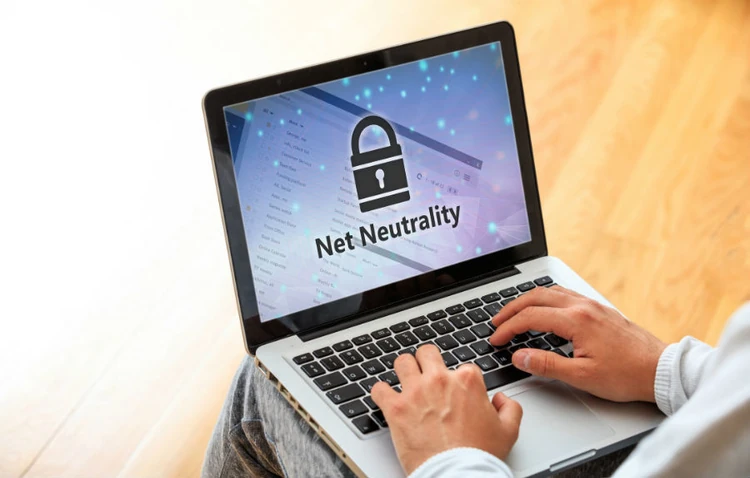
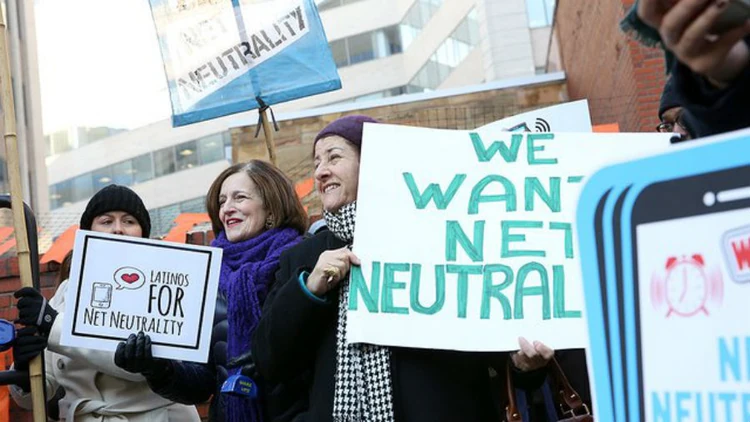
Both bills have been under heavy public scrutiny due to the debate over "Net neutrality," the principle that all Internet content should be accessed equally, and users shouldn't have to pay extra money for faster service.

Supporters of Net neutrality believe that companies like Verizon and AT&T (formerly SBC) will be restricting access to Web content according to who can pay the most money, and have engaged in a massive lobbying effort to prevent that from becoming accepted practice.

The Barton bill is currently not on the House's agenda for the week, as the House Judiciary Committee has demanded it be referred to them. Judiciary Committee Chair F. James Sensenbrenner outlined "35 pages of reasons" why the bill's provisions fall under his jurisdiction, according to the National Journal.

If Sensenbrenner gets the bill referred to Judiciary, action on the House version of the legislation could be delayed for several weeks while the committee discusses it and sorts out the politics of the matter.


Report Your Experience
If you've had a bad experience -- or a good one -- with a consumer product or service, we'd like to hear about it. All complaints are reviewed by class action attorneys and are considered for publication on our site. Knowledge is power! Help spread the word. File your consumer report now.


Consumer News

May 17 2008

Recent Recalls & Safety Alerts

READER SERVICES

Print, Email & More

Subscribe

Free consumer newsletters
Sign up now!


Back to the top |

Advertisement


Home | Rogues Gallery | Good Guys | Complaint Form | News | Recalls | Search | Video | FAQ |
Consumer Resources | Small Claims Guide | Lemon Law | Newsletter | Contact Us
Advertise With Us | Testimonials | Newsroom | RSS Feeds | Radio | Job Postings


Terms of Use Your use of this site constitutes acceptance of the Terms of Use

Advertisements on this site are placed and controlled by outside advertising networks. ConsumerAffairs.com does not evaluate or endorse the products and services advertised. See the FAQ for more information.

Company Response Welcome If complaints about your company appear on our site, we welcome your response. Please see the Response Form for more information.

For more information, see the FAQ and privacy policy. The information on this Web site is general in nature and is not intended as a substitute for competent legal advice.  ConsumerAffairs.com Inc. makes no representation as to the accuracy of the information herein provided and assumes no liability for any damages or loss arising from the use thereof. 

Copyright © 2003-2008 ConsumerAffairs.com Inc.  All Rights Reserved.