CONSUMER NEWS    RECALLS    COMPLAINT FORM    SCAM ALERTS  


Complain about a product or service

Small Claims Guide | Class Actions | Lemon Law | FAQ | Resources | Newsletters | Spanish
Automotive    Education    Electronics    Family    Finance    Health    Homeowners    Shopping    Travel   
NEWS   Latest |  Archives |  Auto |  Cells, etc. |  Computers |  Financial |  Health |  Homeowners |  Parents |  Privacy |  Scams |  Seniors |  Travel

U.S. Lags in Broadband Access

FCC Paints a Rosy Picture But America Ranks 16th Worldwide


August 12, 2005
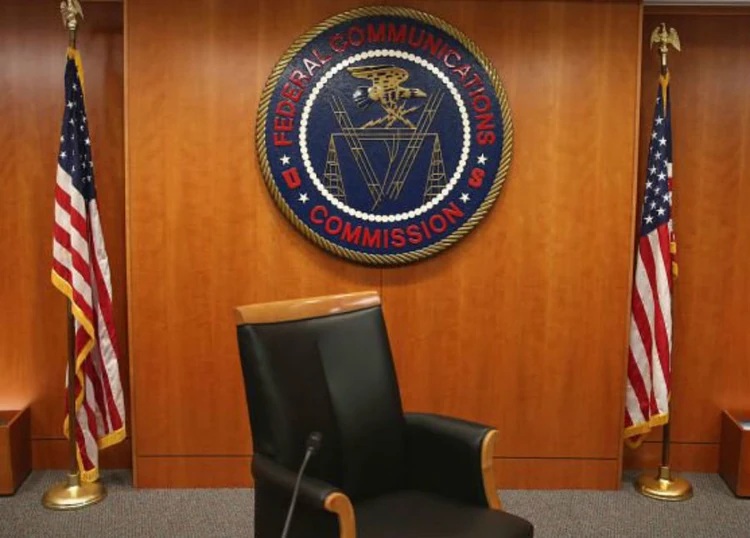
Despite a rosy picture painted by the Federal Communications Commission, America's access to affordable, high-speed Internet lags far behind the rest of the digital world.

Broadband Access
FCC Votes to Punish Comcast for Content Blocking
Comcast Tries to Polish Its Image
Communications Industry Urges Congress to Act on Broadband
Comcast Cuts Deal With Vonage on Internet Traffic
Court Upholds FCC's Video Rules
Report: U.S. Broadband Adoption Slowing
Critics: FCC Inaction Slows Economic Development
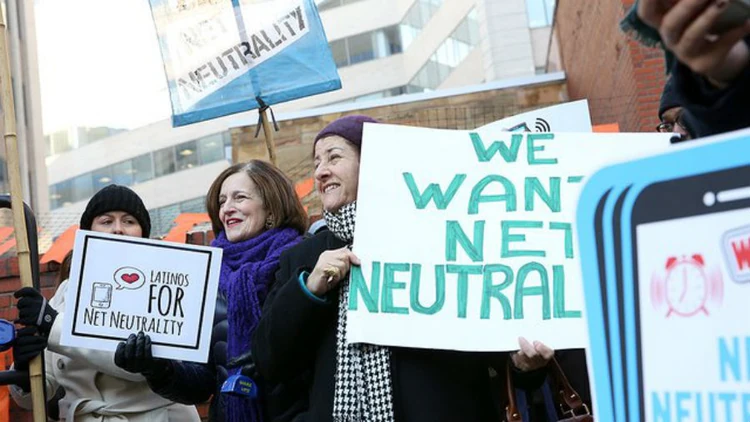
Few Are Neutral in Net Neutrality Battles
Google Petitions FCC Over Verizon's Use of Wireless Spectrum
---
More ...

A report released by Free Press, the Consumer Federation of America and Consumers Union shows that a recent FCC assessment of broadband Internet access is misleading and glosses over serious problems behind an ever-widening digital divide.

"Despite claims to the contrary, the digital divide in America remains large and will continue to grow unless some real changes are made," said Ben Scott, policy director of Free Press. "By overstating broadband availability and portraying anti-competitive policies as good for consumers, the FCC is trying to erect a façade of success. But if the president's goal of universal, affordable high-speed Internet access by 2007 is to be achieved, policymakers in Washington must change course."

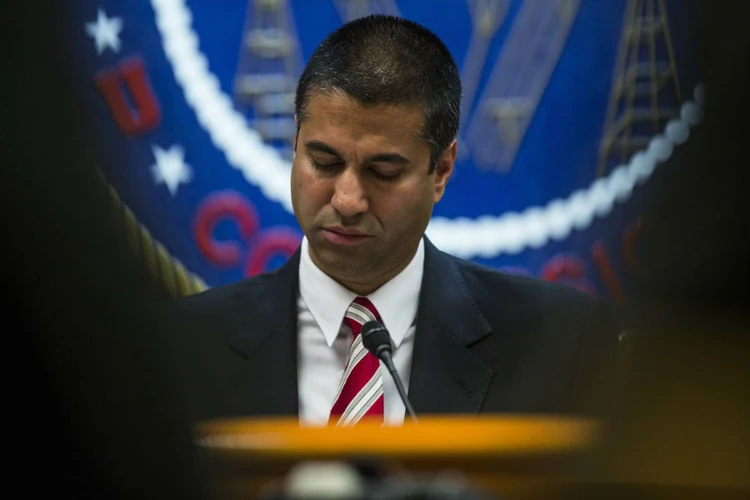
A July 2005 report from the FCC hailed recent progress in improving broadband access in the United States. But upon closer scrutiny, the claims made in the report — and a subsequent op-ed by FCC Chairman Kevin Martin published in the Wall Street Journal — are, at best, wildly optimistic.

"Broadband Reality Check," a new report by Free Press research fellow S. Derek Turner, calls into question the FCC's conclusions. Among its findings:

• The FCC overstates broadband penetration rates. The FCC report considers a ZIP code covered by broadband service if just one person subscribes. No consideration is given to price, speed or availability of that connection throughout the area.

• The FCC misrepresents exactly how many connections are "high-speed." The FCC defines "high-speed" as 200 kilobits per second, barely enough to receive low-quality streaming video and far below what other countries consider to be a high-speed connection.

• The United States remains 16th in the world in broadband penetration per capita. The United States also ranks 16th in terms of broadband growth rates, suggesting our world ranking won't improve any time soon. On a per megabit basis, U.S. consumers pay 10 to 25 times more than broadband users in Japan.

• Despite FCC claims, digital divide persists and is growing wider. Broadband adoption is largely dependent on socio-economic status. In addition, broadband penetration in urban and suburban in areas is double that of rural areas.

• Reports of a broadband "price war" are misleading. Analysis of "low-priced" introductory offers by companies like SBC and Comcast reveal them to be little more than bait-and-switch gimmicks.

• The FCC ignores the lack of competition in the broadband market. Cable and DSL providers control almost 98 percent of the residential and small-business broadband market. Yet the FCC recently eliminated "open access" requirements for DSL companies to lease their lines, rules that fostered the only true competition in the broadband market.

"The FCC is trying to put the best face on this problem it can, but the people who can't afford or don't have access to high-speed Internet know the truth," said Mark Cooper, research director of the Consumer Federation of America. "Affordable high-speed Internet means stronger economic growth, more educational opportunities and exposure to diverse points of view. If the FCC continues to ignore reality, the gap between the haves and have-nots will become too wide to bridge."

The three groups call on Congress to take notice of these alarming trends and enact clear policies that will free the broadband market from domination by a handful of large cable and telecommunications companies.

Their recommendations include ensuring open access to all high-speed communications networks, removing restrictions on public entities that seek to offer broadband services to consumers, and opening up more of the broadcast spectrum for wireless Internet applications.

"Fudging the facts won't provide high-speed Internet access to those who need it most," said Jeannine Kenney, senior policy analyst for Consumers Union. "If the FCC is content to let cable and phone companies control the broadband market, then consumers need a third option — wireless broadband that is less expensive and which doesn't depend on DSL or cable modems. It offers the best and perhaps now the only way to close the digital divide."


Report Your Experience
If you've had a bad experience -- or a good one -- with a consumer product or service, we'd like to hear about it. All complaints are reviewed by class action attorneys and are considered for publication on our site. Knowledge is power! Help spread the word. File your consumer report now.


Consumer News

August 7 2008

Recent Recalls & Safety Alerts

Print, mail, etc.


FREE CONSUMER NEWSLETTERS

The Daily Consumer
Afternoons M-F

Sign up now!


Consumer News & Alerts
Every Sunday

Sign up now!


Knowledge is free.
Knowledge is power.


Back to the top |

Advertisement


Home | Rogues Gallery | Good Guys | Complaint Form | News | Recalls | Search | Video | FAQ |
Consumer Resources | Small Claims Guide | Lemon Law | Newsletter | Contact Us
Advertise With Us | Testimonials | Newsroom | RSS Feeds | Radio | Job Postings


Terms of Use Your use of this site constitutes acceptance of the Terms of Use

Advertisements on this site are placed and controlled by outside advertising networks. ConsumerAffairs.com does not evaluate or endorse the products and services advertised. See the FAQ for more information.

Company Response Welcome If complaints about your company appear on our site, we welcome your response. Please see the Response Form for more information.

For more information, see the FAQ and privacy policy. The information on this Web site is general in nature and is not intended as a substitute for competent legal advice.  ConsumerAffairs.com Inc. makes no representation as to the accuracy of the information herein provided and assumes no liability for any damages or loss arising from the use thereof. 

Copyright © 2003-2008 ConsumerAffairs.com Inc.  All Rights Reserved.