


What are credit bureaus, and how do they work?
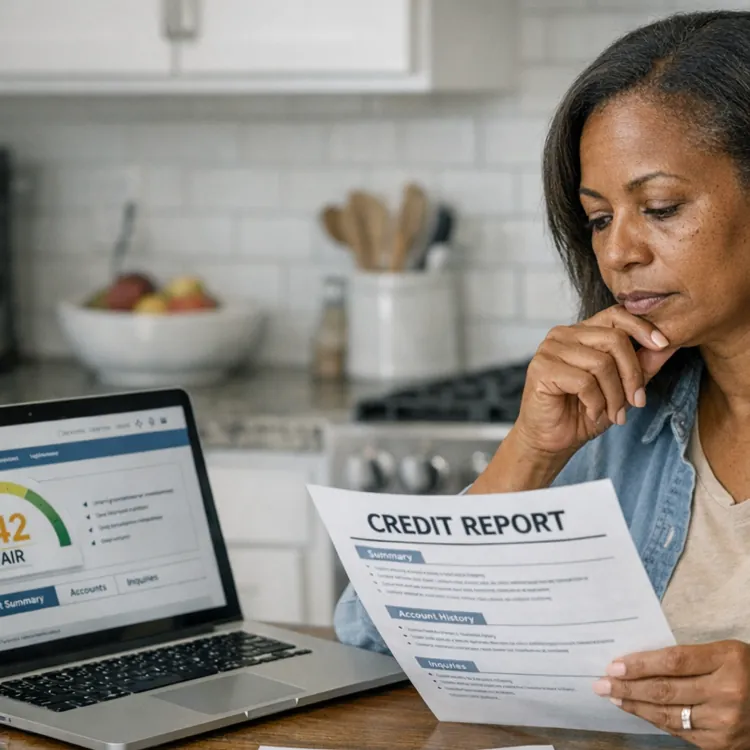
A credit bureau is a company that collects and organizes credit information and then shares it with qualified lenders, like mortgage, auto loan and credit card companies. Most lenders will report the following information to some or all of the credit bureaus for each line of credit you open, which means the follow items will appear in a credit bureau’s records:
- Type of account
- Origination date
- Loan term
- Initial and current principal
- Interest rate
- Late payments or collections
Credit bureaus organize all of your open and closed accounts, and your credit report will show a complete history of all of your borrowing habits and debts.
Credit bureaus solely collect and maintain information about your borrowing history, and they don’t manage credit scores. While your credit report may include a credit score, that score actually comes from credit rating agencies, like FICO and VantageScore, which use your borrowing history to generate a score.
Information that credit bureaus collect
Credit bureaus collect various information, updated monthly to quarterly, from hundreds to thousands of data furnishers per bureau. This includes the following:
- Personal information: Name, current and past addresses, date of birth, Social Security number and sometimes employment history.
- Account history: Information and terms for all credit cards, loans and mortgages in your name, plus payment history for each, usually in the past seven to 10 years.
- Public records: Bankruptcies, liens and judgments (typically for seven to 10 years).
- Inquiries: Both soft and hard credit inquiries, usually for one to two years.
- Collections and defaults: Accounts sent to collections, late payments and charge-offs, usually for up to seven years.
Credit bureaus focus on your borrowing and repayment history, and they don’t collect the following:
- Some personal information, like race, ethnicity, marital status and family size
- Medical history and medical records
- Medical debt information, as of January 2025
- Employment history and income
- Bank account balances and spending history
- Asset information
- Criminal records
How often your credit report updates depends on how often your creditors report your accounts’ statuses to the bureaus.
Most lenders report information to credit bureaus, which is how the three bureaus get information about your borrowing history. However, reporting is not mandated in most cases, so when and what information a lender reports is up to its own discretion. Lenders may choose to report to no bureaus, just to one, to two of the three or to all of them.
Since reporting is up to lenders and can vary among the three credit bureaus, it’s up to you to make sure the information on all three credit reports is accurate and up to date. You should regularly review your credit report for errors, as doing so can help detect fraud, avoid lending delays and improve your chances of loan approval.
» COMPARE: Top credit report companies
How to access and dispute items on your credit report
The three credit bureaus and their reports play a major role in your ability to secure financing, and they can affect your credit scores from FICO and VantageScore. It’s important that you ensure the information contained on those reports is accurate and current.
It’s possible for lenders to make mistakes or fail to report to all or some of the bureaus, so every consumer should make some effort to verify credit report information. You can visit AnnualCreditReport.com for a free credit report once per year from each bureau, so split this up to check your report from a different bureau every four months.
Once you have your credit reports in hand, use the following checklist to look for and correct errors:
- Confirm your name, address and identifying details are correct.
- Check all listed accounts for accuracy, balances and up-to-date payment status. If your report is missing positive payment history, ask your lender to report it.
- Look for any unfamiliar inquiries and accounts, as well as inaccurate or outdated personal information.
- Review public records and collections for accuracy.
- Gather documentation to support any disputes you need to make. This can include government IDs, payment confirmations, utility bills and more, depending on the specific error.
- Set reminders to check your report again in 45 days, which is how long resolution can take for some disputes.
- Keep documentation of all disputes and communications.
- If the error remains, or your dispute was denied, escalate to the Consumer Financial Protection Bureau (CFPB).
Why credit bureaus are important
Credit bureaus are crucial to the economic system because they help creditors and lenders assess lending risk, which ultimately provides better access to financing to consumers and protection against default for lenders. Below is a list of just some examples in which credit bureau reporting can benefit either side or both sides of the lending equation.
- Creditors use information from bureaus to establish eligibility and credit limits.
- Lenders use credit bureau information to approve loans and determine fair interest rates and terms.
- Insurance companies can use credit reports to approve or deny coverage.
- Utility companies can use credit reports to approve or deny service.
- Employers may access some information on credit reports (with your permission) to verify an applicant’s identity and confirm eligibility for certain roles.
- Landlords can use some information on credit reports (with your permission) to approve or deny rental applications.
- Consumers can use their credit reports to catch instances of fraud and identity theft, as well as to verify information and maximize their chance of loan approval.
While information on your credit reports can be helpful in many situations, mistakes and errors are possible and can cost you financing, jobs and even housing. You should monitor your credit reports closely for inaccuracies and outdated information.
You should also understand how credit reporting works, as you can then use that information to make financial decisions that could have an impact on your credit reports and credit score. Here are some general tips for maintaining good credit and avoiding hits to your score.
- Avoid late payments as they can remain on your report for up to seven years.
- Understand that defaults, charge-offs, foreclosures and bankruptcies usually remain on your report for seven to 10 years and will dramatically affect your creditworthiness.
- You can dispute errors on your credit report, but note that some disputes take 30 to 45 days to take effect.
- Soft inquiries, like a preapproval, can appear on your report but won’t affect your creditworthiness.
- Hard inquiries, like with loan and credit card applications, appear on your report and also affect your creditworthiness.
- Before applying for a mortgage or auto loan, review all three bureau reports for discrepancies to avoid delays and denials.
» MORE: Who can see your credit report?
FAQ
What is the difference between a credit bureau and a credit registry?
A credit bureau is usually a for-profit company that maintains credit history data for consumers, including large and small loans and lines of credit, repayment information and more. A credit registry is a public entity that maintains information for larger loans, including those taken out by businesses and government agencies.
How do credit bureaus ensure my personal data is secure?
Credit bureaus collect and maintain sensitive data, and each bureau has its own measures for cybersecurity. However, the Federal Trade Commission (FTC) can determine how the bureaus maintain security in some respects. Credit bureaus Fair Credit Reporting Act (FCRA) regulations.
What should I do if I find an error on my credit report?
If you find an error on your credit report, you should file a dispute with the bureau in charge of the inaccurate report. Depending on the specific correction you need, you may need to reach out to your lender or the credit bureau directly.
Who uses credit reports and why?
Credit reports are predominantly used by lenders and creditors to verify a consumer’s creditworthiness and approve or deny the loan or credit application. Employers and landlords can use credit reports in some cases. Consumers can also use credit reports to look out for fraud and identity theft, and to maximize the chance of securing financing or lines of credit.
Article sources
ConsumerAffairs writers primarily rely on government data, industry experts and original research from other reputable publications to inform their work. Specific sources for this article include:
- Consumer Financial Protection Bureau, “CFPB Finalizes Rule to Remove Medical Bills from Credit Reports.” Accessed Dec. 19, 2025.
- Board of Governors of the Federal Reserve System, “Credit Reports and Credit Scores.” Accessed Dec. 19, 2025.
- Congressional Research Service, “Consumer Data Security and the Credit Bureaus.” Accessed Dec. 19, 2025.