

Does an eviction appear on your credit report?
Getting evicted from a home or apartment can be a deeply unsettling and stressful event, often coming at a time when you’re already down on your luck financially. If you’ve been forcibly removed from your home, you may be wondering just how much this event will impact your financial picture, including your credit report.
An eviction by itself does not appear on a credit report, said Steve Parangi, the owner of Alpine Mortgage, a mortgage company based in Montvale, New Jersey. “What does show up are the consequences tied to the eviction,” he said.
For instance, “Unpaid rent can be reported if it’s sent to a collection agency,” he said. “That collection account can show on all three credit reports for up to seven years from the date of the first missed payment that led to the collection. Court judgments related to unpaid rent can also appear, depending on how they are reported.”
Unpaid utility bills or damages can also show on a report. From a credit standpoint, eviction isn’t what usually hurts your credit. The unpaid debt left behind usually does.
To summarize, if you’re evicted, here’s what can be reported on your credit report:
- Unpaid rent that’s in collections
- Court judgments related to unpaid rent or other related debts
- Unpaid utility bills
- Unpaid damages to the dwelling place
The three credit bureaus, Experian, Equifax and TransUnion, don’t gather eviction data directly from landlords or courts, Parangi said. “They rely on creditors and collection agencies. If a landlord hires a collection agency to recover unpaid rent, that agency may report the debt.”
That said, any potential landlord is likely to pull both your credit report and other public records when deciding whether to rent to you. And a prior eviction is a matter of public record that will show up as part of the tenant screening process. Let’s examine how a tenant screening report differs from a credit report.
How does a credit report differ from a tenant report?
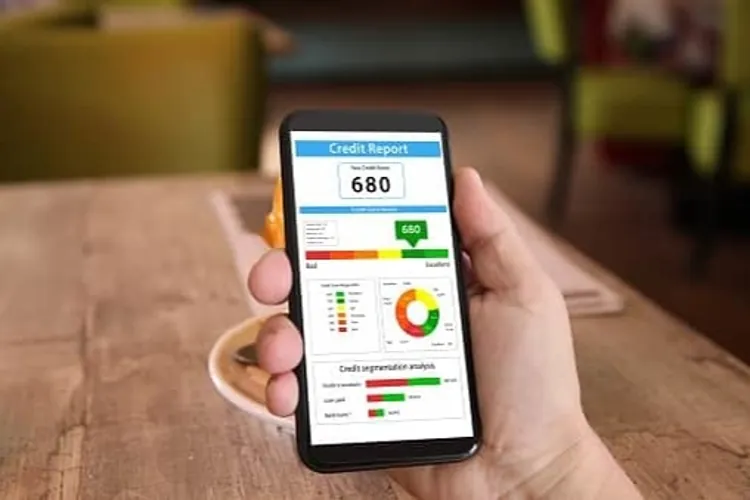
Your credit report serves as a summary of your personal financial history. It includes data about any and all loans you currently have, or have had in the past, including mortgages, credit cards, personal loans and student loans. Any debt you have in collections, including unpaid rent, will show up on your credit report.
In contrast, a tenant screening report is a rental background check compiled by a tenant screening company that gathers data from court and public records (any information filed with a court or government agency) and includes eviction filings and judgments. This report often assists landlords in deciding whether you’re a good candidate to whom to rent their place.
A landlord can access your credit as part of their decision-making process, but will need your written permission to do so. They may use the information in your credit report to determine whether you’re likely to pay rent in full and on time each month.
How evictions impact your credit score
Unpaid rent that goes to collections will appear on your credit report in much the same way as any other debt, and will remain on your record for up to seven years. This can have potential impacts both for your creditworthiness and your ability to rent a place.
Your payment history makes up about 35% of your FICO score. So an eviction related to unpaid rent that goes to collections can seriously impact your credit score.
Understanding the eviction process
Every state has its own eviction procedures, but most cases follow a similar process, Parangi says. Here are typical eviction steps for you to understand the timeline of the eviction process and its impact on your credit:
- 30 days late: The landlord may assess a late fee, but there is no credit impact yet.
- 30 to 60 days late: Your landlord may issue a demand letter, depending on state law, as an attempt to collect your rent on their own.
- 60 to 90 days late: Your landlord may send the debt of unpaid rent to a collection agency.
- Eviction filing occurs: If rent remains unpaid, the landlord can file an eviction notice and it becomes a public record. Tenant screening companies can retrieve the filing and report it. If the landlord wins, the judgment can include possession (the right to remove the tenant) and a monetary judgment for back rent and fees, according to Parangi.
- Collections: After eviction the landlord may send the judgment to a collection agency if they haven’t already done so, which can then be reported to the credit bureaus.
- Credit report impact: Unpaid rent collections remain on your credit report for up to seven years after filing.
How to dispute or remove evictions from your public records
If your landlord indicates that they have sent your unpaid rent to a collections agency, the first thing you should do is ask for proof of this. Then, you should check your own credit report to ensure accuracy. This is the best way to avoid inaccurate eviction entries.
» MORE: How to break a lease
Inaccurate eviction entries and disputes
If you do find inaccurate information on your credit report, you can dispute it directly with Experian, Equifax and TransUnion by attaching court documents or settlement agreements, Parangi advised. “The bureau must investigate and either verify, correct or remove the entry within the timelines in the Fair Credit Reporting Act.”
If you do find inaccurate information, remember that you should also review your tenant screening reports by requesting copies of your report from your landlord and disputing inaccuracies with the tenant screening companies directly. Keep copies of all correspondence and payment records. Here’s how to file a dispute:
- Obtain all relevant reports (credit, tenant screening, court).
- Identify and mark errors or outdated information.
- Collect documentation to support your claim.
- Submit disputes online or by mail to both the bureau and the source.
- Follow up regularly and escalate to consumer protection agencies if needed.
How to rent an apartment after an eviction
An eviction on your record will make it difficult to rent again, Parangi says, but all hope is not lost. Smaller landlords who don’t use screening services might never find the eviction, while a referral from a common friend or acquaintance can help a landlord forgive past errors more readily.
Some landlords will accept tenants with eviction histories if they can demonstrate changed circumstances such as a new job, savings in the bank or a co-signer with good credit, Parangi suggests. The eviction itself typically remains discoverable for seven years in most tenant screening databases, though some jurisdictions have passed laws limiting how far back landlords can look.
Resources for tenants who’ve been evicted
Nonprofit legal aid services can help you challenge illegal evictions, negotiate payment plans or clean up inaccurate reports, Parangi says.
The most important step is to take action early, Parangi advises. “If you are not able to pay your rent, it’s best to talk to your landlord immediately. Many evictions escalate simply because communication breaks down.”
Nonprofit credit counseling agencies can coach you on rebuilding credit and prioritizing debts after an eviction.
In addition, many states have rental assistance programs, legal aid offices and housing counselors that can help if you’re struggling to make payments. Utilizing these services or taking on a side hustle for a short period could be the key to keeping you in your home until your financial situation improves.
FAQ
Can a landlord directly report an eviction or unpaid rent to a credit bureau?
No. Landlords generally cannot report unpaid rent directly to the credit bureaus. More commonly, the landlord either obtains a judgment or assigns the unpaid rent to a collection agency, and the collection agency reports the debt to the bureaus.
If I pay my eviction-related debt in full, does it remove the negative item from my credit report?
Paying a collection does not remove it from the credit report. A paid collection can still stay on your credit report for seven years from the original delinquency date. Some collection agencies may agree to delete the collection if you pay it, but that must be negotiated with the agency directly.
How does eviction affect my ability to get a mortgage or auto loan?
Your ability to get a mortgage or auto loan after an eviction will depend on what information is reported to the credit bureaus and what effect it has on your credit score. The good news is that different mortgage loans, such as government-backed loans, may accept lower scores and adverse credit events.
Article sources
ConsumerAffairs writers primarily rely on government data, industry experts and original research from other reputable publications to inform their work. Specific sources for this article include:
- Experian, “How Long Does an Eviction Stay on Your Record?” Accessed Jan. 7, 2026.
- National Low Income Housing Coalition, “Evictions 101: The Eviction Process: How it Works and What to Know.” Accessed Jan. 8, 2026.
- Consumer Financial Protection Bureau, “How long can information, like eviction actions and lawsuits, stay on my tenant screening record?” Accessed Jan. 8, 2026.
- Federal Trade Commission, “Disputing Errors on Your Credit Reports.” Accessed Jan. 19, 2026.