





























































































The free Kroger loyalty account unlocks weekly sale pricing, personalized digital coupons, and fuel points — all of which stack together automatically when you shop smart.
Combine weekly ad sales, app-based digital coupons, Catalina register coupons, and cash-back rebates from apps like Ibotta and Fetch to max your savings.
Watch for Kroger’s bulk promos, yellow clearance tags, and seasonal markdowns, then build your weekly meals around those deals to cut your bill without cutting quality.
Grocery bills keep climbing, but that doesn’t mean you have to throw your budget out the window. If you shop regularly at Kroger, there are smart ways to cut costs without sacrificing quality or nutrition.
Think beyond coupons and find strategies that save money weekly, including trip hacks that stack, and ways to put extra cash back in your pocket. Here’s how to shop at Kroger like a pro.
1. Start with the Kroger Loyalty program
Before you do anything else, get a Kroger loyalty card and digital account via the Kroger app.
It’s free, easy to set up in the app or in-store, and automatically unlocks the core savings tools Kroger offers:
- Weekly sale prices and digital deals tailored to your shopping habits.
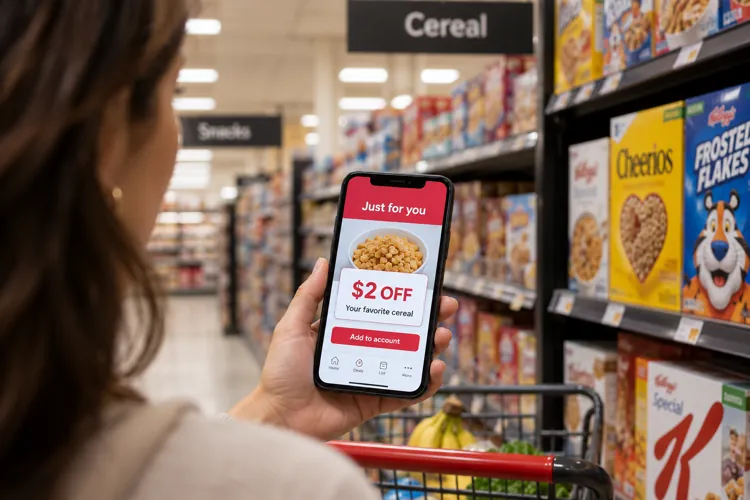
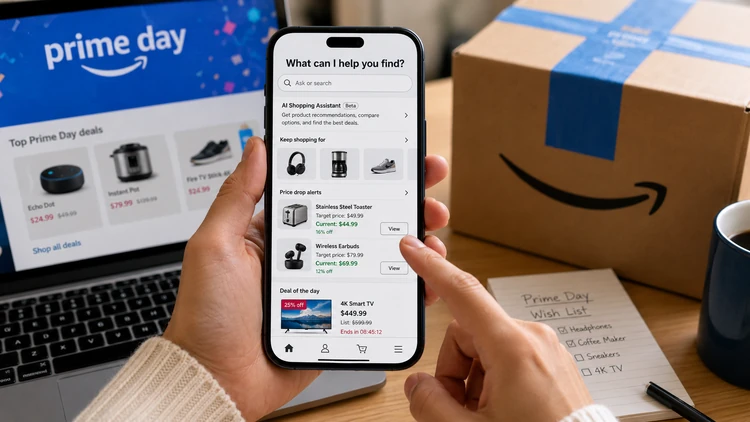
- Digital coupons that you clip right in the app.
- Fuel points that turn grocery purchases into gas discounts.
- Personalized offers that Kroger often doesn’t advertise in store.
Pro tip: Link your Kroger Shopper’s Card and email address so every digital coupon you clip applies automatically when you swipe at checkout.
2. Stack discounts like a pro
Coupons at Kroger are still a big deal, especially if you use them right.
- Clip digital coupons in the Kroger app before you shop. These are great because they stack with weekly sales and automatically apply at checkout.
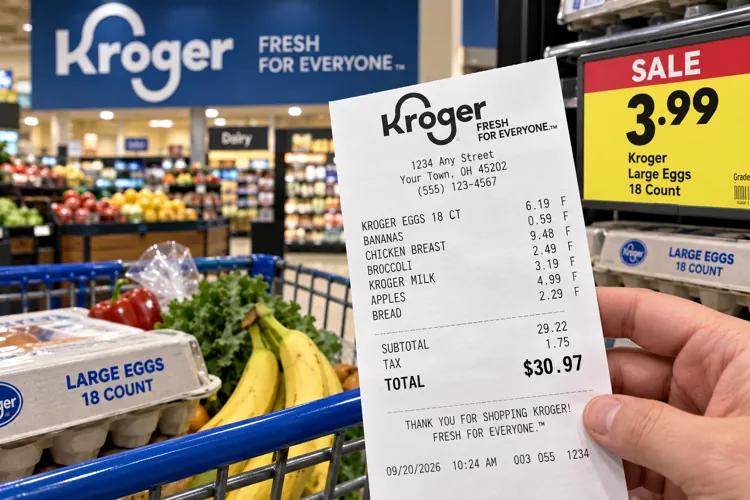
- Look for Catalina coupons at the register. These come attached to your Kroger receipt and the coupons are typically for stuff you regularly buy. Don’t ignore them, instead use them for easy savings on your next purchase.
- Some Kroger locations now even have paper coupons alongside their digital ones. These are especially popular with shoppers who prefer physical savings.
Don’t underestimate the power of using digital coupons, plus their weekly ads, along with Catalina coupons. By stacking all three, you can create deep discounts on your everyday staples.
Pro tip: Use a free rebate app like Ibotta, Fetch, and Checkout 51 and stack a rebate on top of the above coupons. The rebates are in the form of cashback on name brands along with generic items like bananas, milk, and eggs.
You simply snap a picture of your receipt via the app, and they automatically look for products that have rebates attached to them.
3. Watch for big sale events & special tags
Kroger uses several price tag systems that signal deals for in-the-know shoppers:
- “10 for $10” and similar bulk discounts: You don’t actually have to buy 10 items to get the sale price. Each item actually rings up at the discounted unit price. So if you only need five, it will only cost you $5.
- Yellow and WooHoo sale tags: These special tags are either manager’s specials or clearance deals on meat, produce, and dairy. Look for them and save.
- Seasonal and holiday markdowns: You’ll see these markdowns most often on bakery, produce, and meats. They can save you big when you stock-up right after a major holiday.
- Scan the weekly ad before you shop: Then build your weekly meal plan around the sales. Finding the deals first, then figuring out what to cook, is one of the most effective ways to cut your Kroger bill.
Pro tip: Ask about senior discount days. Occasionally, on specific days, Kroger offers a 5% or 10% discount for those aged 55 or older. Ask an employee at your location if they have any senior days coming up in early 2026.
4. Turn your grocery trips into gas savings
Kroger’s Fuel Points Program is a clever way to turn groceries into discounts at the pump. It works like this:
- Earn 1 Fuel Point for every $1 you spend on qualifying groceries.
- 100 points = $0.10 off per gallon at Kroger gas stations (up to 35 gallons per fill-up), 200 points = $0.20 off, and so on.
- Bonus points often come from promotions (like buying gift cards) where you can earn 2× or even 4× fuel points.
Pro tip: Buying gift cards at Kroger is a no-brainer way to save when buying gas and is worth mentioning again. They often run 4x fuel points promos when buying gift cards.
So, if you get into the habit of buying gift cards from Kroger for the stores and restaurants you know you'll be visiting, you can score some cheap gas. Many Kroger shoppers have reported regularly saving $1 or more per gallon on their fill-ups.
5. Take advantage of pickup & delivery deals
Online ordering isn’t just convenient, but when done right, it’s also a great money-saving tool:
- Kroger often offers exclusive digital coupons for Pickup/Delivery orders.
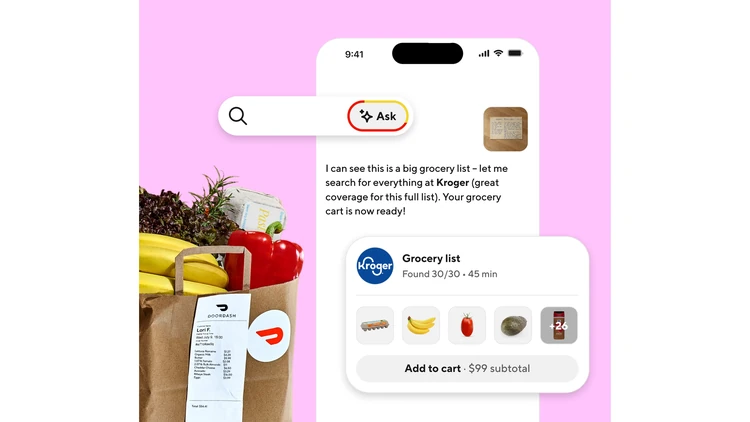
- Scheduling ahead can avoid high Instacart fees while still capturing digital savings.
- Kroger’s Boost membership gives free delivery on $35+ orders and extra perks like double fuel points.
Get into the habit of shopping the Kroger app first. That way, you’ll see all the digital deals first as they're easy to miss when you're in the store. Especially things like the cashback offers and limited-time sales.
Pro tip: Ask the meat department for “Family Packs” that aren’t on the sales floor yet. Early in the day, stores usually have freshly prepped packs of chicken, pork, or beef that haven’t made it to the display case yet.
It’s been my experience that employees are happy to hook you up when you politely ask. You’ll get a much lower per-pound price than the smaller trays on display, and sometimes even fresher cuts. Then you can freeze what you won’t eat in the next couple of days.
6. Buy Kroger brands (and don’t be afraid to try them)
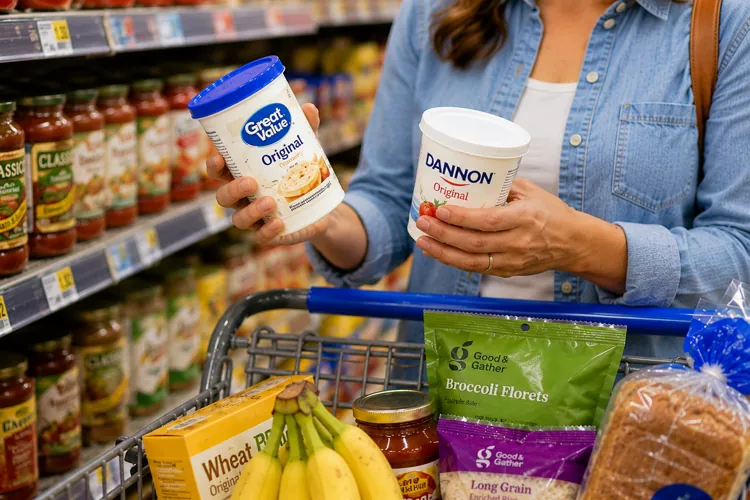
Kroger store brands like Simple Truth and Private Selection are almost always cheaper than the popular national brands and often just as good.
Even better: Via their Freshness Guarantee, if you’re not happy with a Kroger brand product for any reason, they’ll refund or exchange it. So, there’s very little risk in trying cheaper options to see if your family likes them.
Pro tip: When looking for Kroger-branded items to try, start with what I call the “swap items” rather than the “sacred items.”
The "swap items" are the things your family will never notice. Stuff like flour, sugar, canned veggies, shredded cheese, frozen fruit, and pasta. These are often made by the national brand, but cost significantly less.
Stay away from the “sacred items” at first, also known as the products that your family has a very strong opinion about and would notice in a heartbeat if you tried swapping them for the store brand. These are things like ketchup, peanut butter, mac & cheese, soda, and popular cereals.