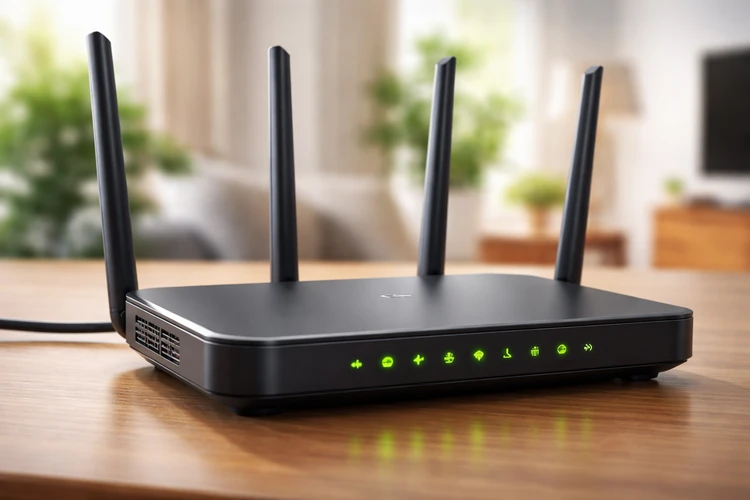

The FCC has added all foreign-made consumer-grade routers to its “Covered List,” effectively blocking approval of new models for sale in the U.S.
The move follows a national security determination that such devices pose “unacceptable risks,” including cyberattacks and infrastructure disruption.
Existing routers already in use or previously approved are not affected, and companies can seek exemptions through a federal review process.
The Federal Communications Commission (FCC) has moved to block the approval of new consumer-grade routers made in foreign countries, citing significant national security and cybersecurity risks identified by federal agencies.
In an update announced this week, the FCC added all foreign-produced consumer routers to its “Covered List,” a regulatory designation that prevents certain communications equipment from receiving authorization for sale or import in the United States.
Routers — common household devices that connect phones, computers, and smart home products to the internet — were determined by a White House-convened interagency group to pose “unacceptable risks to the national security of the United States or the safety and security of United States persons.”
National security concerns drive the decision
According to the determination, foreign-made routers present two primary risks: vulnerabilities in the global supply chain and serious cybersecurity threats.
Officials warned that such devices could be exploited to disrupt critical infrastructure, harm U.S. consumers, and even impact national defense systems. The assessment also cited past cyber incidents — including the Volt, Flax, and Salt Typhoon attacks — in which compromised routers were allegedly used to infiltrate networks, conduct espionage, and steal intellectual property.
The move aligns with broader policy goals outlined in President Trump’s 2025 National Security Strategy, which emphasized reducing reliance on foreign sources for essential technologies and infrastructure.
What the rule changes—and what it doesn’t
The FCC’s action does not amount to an immediate ban on existing devices. Consumers can continue using routers they already own, and retailers may still sell models that were previously approved through the FCC’s equipment authorization process.
However, any new models of foreign-made routers will be barred from entering the U.S. market unless they receive special clearance.
FCC Chairman Brendan Carr said the agency is acting in coordination with national security experts.
“I welcome this Executive Branch national security determination,” Carr said in a statement. “The FCC will continue to do our part in making sure that U.S. cyberspace, critical infrastructure, and supply chains are safe and secure.”