2021 COVID-19 Scams

Article Image

Cybercriminals continue using COVID-19 scams to fleece consumers

Cybercriminals are still using the COVID-19 pandemic to scam consumers out of their money, according to recent research from cybercrime intelligence provider Intel 471. While fake COVID-19 vaccine certificates aren't exactly a new con, the researchers found that it continues to multiply and grow. 

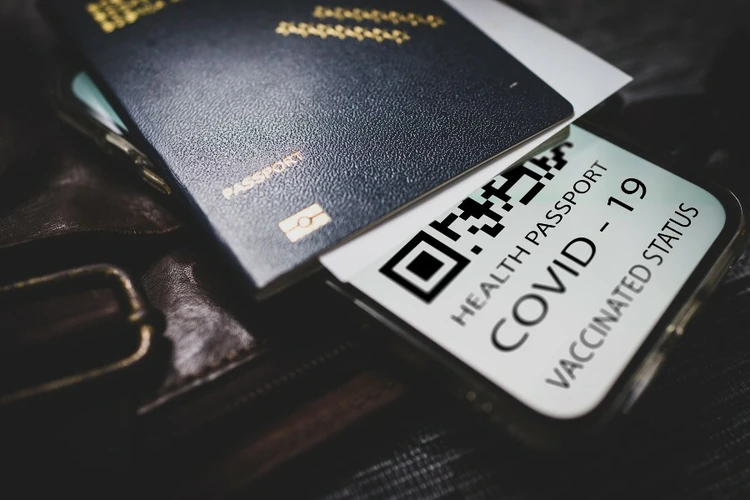
The firm says hackers are continuing to create counterfeit paper versions of the United States’ Centers for Disease Control and Prevention’s (CDC) vaccination card. Some bad actors are also copying the digital and paper versions of the European Union’s vaccine passport. 

Researchers say they found one actor who was hawking several advertisements for fake vaccination cards that falsely claim the available vaccines are “poisonous” and “trying to destroy mankind.”

Advertisements for vaccine

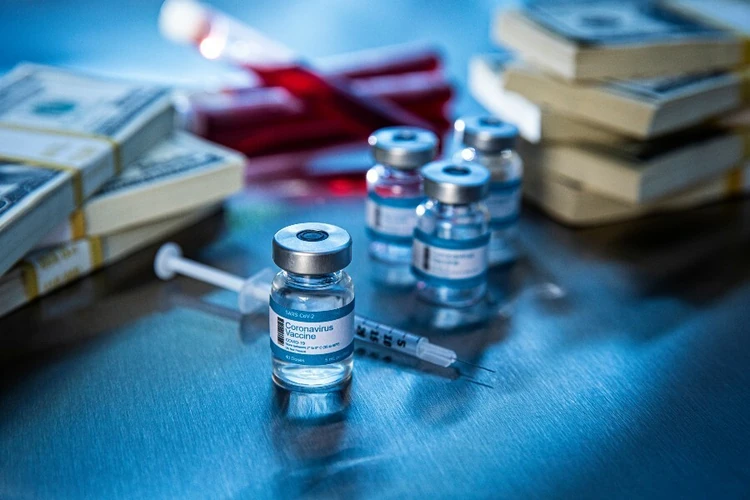
Some scammers are even trying to sell actual vaccine doses -- or at least what they purport to be actual vaccine doses.

Intel 471 found one advertisement that claimed to be able to send potential buyers numerous different vaccines currently on the market: AstraZeneca, Johnson & Johnson, Moderna, and Pfizer. Once a buyer is caught in that snare, they’re routed to visit a particular website set up for sales that can steal their information. Much worse is the potential health ramification.

“[These actors] undermine the pharmaceutical companies’ efforts to distribute the vaccine, putting people in danger since they have very little recourse to determine if the vaccines are legitimate,” Intel 471 said.

They’ll stop at nothing

Cybercrime is up 600% as a result of the COVID-19 pandemic, and the researchers say that trend is likely to continue for as long as the pandemic stays relevant.

“The schemes show that threat actors are monetizing the fear and misinformation in order to stimulate the market for fake COVID certificates. This presents a danger to people because they very likely have never purchased anything illicit, whether it's on the cybercrime underground or on other social media platforms,” Greg Otto, Researcher at Intel 471, told ConsumerAffairs.

“There is an extreme ‘buyer beware’ here because prospective customers are dealing with criminals who look to rip people off, not to mention the litany of laws that someone could run afoul of if a purchase actually results in an exchange of the actual advertised ‘products.’" 
Article Image

A duet of new scams is climbing the charts


It appears that the con artists behind the spate of COVID-19 scams and the recent money-flipping scam have moved their game. Various federal and state agencies are warning consumers that scammers have found some new ways to fleece the public: an Amazon AirPods raffle scam and an order confirmation scam. 

The order confirmation scam

If you receive a text message from a number you don’t recognize saying you need to confirm a delivery by clicking on a link, stop right there. The scam — called “smishing” — starts with the pretense that it’s from Walmart, Costco, Target, or Amazon and that you need to confirm a recent purchase you supposedly made. 

These scam messages say a shipment confirmation will follow and, when it does, your credit card on file will be automatically charged. “The message asks you to call a phone number if you did not make the transaction in question or to report an unauthorized transaction. If you dial the number, you will likely be asked to provide your account credentials or payment information so that your account can be ‘credited,’" cautions Attorney General Chris Carr. “The scammers will then use that information to steal your money or commit identity theft. This scam can also occur via email or text message.”

Carr says consumers can avoid this scam simply by not calling the number provided or clicking on the links. You can double-down on your protection by logging in to your online account with the retailer or contacting the company through a verified telephone number to see if, in fact, there was an unauthorized charge made to your account.

The United States Postal Inspection Service reminds consumers that if the scammer’s attempt uses the Postal Service as part of the ploy, the USPS offers tools to track specific packages — but only if you choose to use them. “Customers are required to either register online, or initiate a text message, and provide a tracking number. USPS will not send customers text messages or e-mails without a customer first requesting the service with a tracking number, and it will NOT contain a link,” the agency said. “So, if you did not initiate the tracking request for a specific package directly from USPS and it contains a link: don’t click the link!”

The Amazon AirPods raffle scam

Want a free pair of AirPods? OK, but you might also get some unwanted malware along with them.

The Georgia Attorney General’s Consumer Protection Division said it’s received complaints about text messages that state they're from Amazon, claiming that the lucky recipient has won a pair of AirPods in an Amazon raffle. Supposedly, all you have to do to claim your prize is click the link in the message. 

If you click, be prepared for an avalanche of anxiety. Clicking usually loads malware onto your device or leads you to a phishing website that prompts you for personal information, such as your Amazon login and password.

Burnaby Now reports that the scam is also known as the “fitness watch text” or the “Apple Watch raffle scam.” And the Better Business Bureau (BBB) reports that another variation is a scam involving Whole Foods. 

“The scammer sent a text with a link for address and name to enter into a raffle contest of secret shopper opportunities at Whole Foods Market for 400$ a week,” reported one consumer at the BBB’s Scam Tracker website. “I responded with name and address. They sent a text saying something would be in the mail. A fake check for 1950.53$ and a single page with 'instructions' came a day later in the mail for buying an American Express gift card to send to an email with ‘shopper experiences survey’ to send as well.”

Article Image

FTC warns people not to buy fake vaccine cards or negative test results

The Federal Trade Commission (FTC) says consumers are asking for trouble if they buy fake proof-of-vaccination cards or a document that falsely says their COVID-19 test results were negative.

The agency says scammers are out in force looking for suckers who need to show proof for things like getting (or keeping) a job or obtaining certain kinds of clearance, like admission to an event. 

“Know that buying fake vaccine cards, making your own, or filling in blank cards with false information is illegal and could get you fined, or even land you in jail,” the FTC’s Colleen Tressler warns.

Don’t cross these lines

Tressler says there are lines that, if crossed, can also cause other problems. She offered these tips:

  • Don’t share personal information with people you don’t know. Scammers will turn the tables and sell your data or use it to commit identity theft.

  • The only legitimate way to get proof that you’re vaccinated -- or that you test negative — is to GET vaccinated or to TEST negative. If you lose that proof, check with your state health department or the place you got vaccinated to find out how you might be able to get a replacement.

The FTC is asking Americans who spot a fake vaccine card to do the following:

  • Report it to the Office of the Inspector General of the Department of Health and Human Services at 1-800-HHS-TIPS or oig.hhs.gov.

  • File a report with the FBI.

  • File a report with the FTC at ReportFraud.ftc.gov. 

“Your report can make a difference. We use reports like yours to investigate, bring law enforcement cases, and alert people about what frauds to be on the lookout for so they can protect themselves, their friends, and family,” Tressler said.

Article Image

Scammers target pet sitters as the COVID-19 pandemic rages on

There was a big increase in pet ownership during the early months of the COVID-19 pandemic, and the demand for pet products and services has also seen an exponential increase. Not surprisingly, that’s fertile ground for scammers.

In the latest twist, the Better Business Bureau (BBB) reports that scammers are targeting pet sitters or students who might be interested in becoming a pet sitter to earn extra money. The objective is to gain sensitive personal information that can be sold on the dark web.

Look out for red flags

It works like this: an unsolicited contact is made by email. The sender claims to be a family that is moving to the area and will need pet-sitting services immediately. They provide a lot of made-up details like their name, their pet’s name, information about the family, and their job to earn trust. They also offer an above-market rate and say no in-person interview is required because you seem to be the perfect candidate. That should be a very big red flag.

Once someone agrees to take the pet sitting job, they are asked to provide details about themselves -- such as their name, address, phone number, date of birth, Social Security number, and even banking information. They are told the bank information is needed to set up direct deposit payments.

In one version of the scam, the operators may send the pet sitter a large cashier’s check with instructions to purchase supplies and wire what’s left back to the scammer. Again, that is another sizable red flag since scammers have used that method for years.

What to do

You can avoid these kinds of scams by remaining alert and recognizing red flags when they begin to wave. For starters, don’t provide any personal information to someone you don’t know.

While the scammer may say no in-person interview is required, tell them your policy is to never accept a job without one. Tell them both parties need to be sure it’s a good fit. At that point, a scammer will most likely lose interest.

If you are unsure if you are dealing with someone who truly needs your services, verify the information you have received. One way to do that is to ask to connect with them on social media. Look for the address they provided to see who actually lives there.

Finally, understand the tricks scammers use and recognize them when they appear. Someone you don’t know asking for personal information is a big red flag. An even bigger one is when you are asked to return money from an overpayment in some way that is untraceable.

For example, if you are asked to put money on gift cards and provide the numbers to someone, you are dealing with a scammer 100% of the time.

Article Image

FTC says scammers are impersonating FTC Chair Lina Khan in email phishing scheme

The Federal Trade Commission (FTC) is warning consumers that scammers are sending emails impersonating FTC Chair Lina Khan. 

The scammers are telling recipients that the FTC wants to send COVID-19 relief money, but they need to provide more personal information in order to get the money. The agency wants consumers to be aware that it is not distributing coronavirus economic stimulus or relief money. 

“The email is a scam. Don’t reply,” the FTC said in an advisory. “If you get an unexpected email that asks you to reply – or call or click a link – to give somebody personal or financial information, don’t. It’s probably a phishing scam trying to steal your money.” 

Emails asking for personal information like your name, address, and date of birth should be ignored and reported. The FTC said consumers can report the email to the FTC at ReportFraud.ftc.gov. 

Article Image

Officials warn consumers of scam involving fake vaccination surveys

Throughout the coronavirus (COVID-19) pandemic, scammers have come up with creative ways to exploit the global crisis at consumers’ expense. When the virus was raging across the country last year, these schemers pitched fake cures. Now that nearly half the country is vaccinated and fears of the virus are fading, they’ve come up with something new.

Florida Attorney General Ashley Moody said her office is receiving reports that scammers claiming to be from drug companies are contacting consumers and asking them to take a survey about their vaccination experience. People who have recognized it as a scam report that the surveys are just attempting to gain access to people’s personal data, including date of birth and Social Security numbers.

“Please be on the lookout for mysterious emails, text messages, or phone calls claiming to be from Pfizer, Moderna, or Johnson & Johnson asking you to fill out a survey about your vaccine,” Moody said. “Reports of these fake survey scams are beginning to surface in Florida, and vaccinated Floridians need to make sure they do not fall for this scam.”

Moody said the scam is dangerous because it seems fairly innocent. However, she warns that any potentially sensitive personal information that consumers give away could be used to access bank accounts, set up credit card accounts, and steal identities.

The scammers have also been known to impersonate the Centers for Disease Control and Prevention (CDC) when they send out these surveys. The request for information may offer money or prizes for filling out the phony survey after receiving a COVID-19 vaccine.

Adding to the danger of this particular scam, the CDC is actually conducting a legitimate survey about vaccinations. Moody says this is not a fake survey and is recommended by the CDC to help provide personalized health check-ins for citizens after receiving a COVID-19 vaccine.

Red flags

So how is someone supposed to tell the real survey from a fake one? Moody says there are several dead giveaways when you are dealing with a scammer.

  • The survey asks for personal information, such as a Social Security number.

  • The survey promises some type of compensation for participating.

  • The email or text contains misspellings or poor grammar.

  • The email asks you to click on a link.

Moody cautions that you should not trust the number or information displayed on a caller ID, noting that it is very easy to spoof phone numbers. A hacker from across the world can easily make a caller ID display the CDC’s number in Atlanta.

If you think you were called by the CDC but aren’t sure, the agency has information here on how you can verify the legitimacy of the survey.

Article Image

FTC cracks down on more unproven COVID-19 prevention and cure claims

The Federal Trade Commission (FTC) is stepping up its fight against coronavirus-related scams. The agency said it has identified and taken action against 30 more companies that have peddled scam COVID-19 cures, treatments, and products.

Regulators sent letters to sellers that gave them 48 hours to notify the FTC of the specific actions they have taken to address its concerns. If they failed to correct the allegations, the companies were looking at a possible lawsuit under the 2020 COVID-19 Consumer Protection Act. 

That’s bad news for the companies. The good news for consumers is that every single letter recipient has stopped making alleged false or deceptive claims.

No evidence for “cures” or “treatments”

The companies involved were peddling anything and everything they thought might snare them a victim. There were chiropractic adjustments, exercise sessions, nasal mists and rinses, vitamins, supplements, and extracts. 

On the surface, the companies looked legit, operating under names like Family First Medical Center and NeilMed Pharmaceuticals, Inc. Unfortunately, none of them could offer any evidence that their products worked against the coronavirus -- and evidence is required by law.

One of the providers that the FTC felt crossed the line -- the Texas Center Wellness -- even went as far as trying to align itself with the Centers for Disease Control and Prevention (CDC). The FTC objected to language in the center’s online pitch that said it was “issuing a supplementary preventative action to the CDC’s suggestions.” 

Don’t take the bait

As you can see, scammers can pretend to be anyone they want, and that makes things difficult for innocent consumers who believe a company is accredited just because there’s a “doctor” or a “medical center” attached to its name.

The FTC says consumers need to think realistically about the offers and pitches they see. When it comes to fighting COVID-19 and spotting unsupported treatment claims, the agency suggests two considerations:

  • When there’s a medical breakthrough to treat, prevent, or cure a disease, you’re not going to hear about it for the first time through an ad or sales pitch.

  • Always talk with your doctor or health care professional before you try any product claiming to treat, prevent, or cure COVID-19.

More than anything else, the FTC says consumers should make the CDC and the FDA their first stops for the most up-to-date information about COVID-19 and available vaccines.

Article Image

FTC reminds consumers that getting a COVID-19 vaccine is free

The COVID-19 vaccination campaign is well underway, and 2.7 million shots are being administered each day in the U.S. Those who have already been vaccinated know that getting the jab is free -- but that hasn’t stopped scammers from trying to convince unvaccinated people otherwise. 

Now, the FTC and National Association of Attorneys General (NAAG) have teamed up to remind people that COVID-19 vaccines shouldn’t cost anything. 

“No matter what anyone tells you, you can’t buy COVID-19 vaccines online and there’s no out-of-pocket cost to get the shots,” the groups said in a statement.

Consumers don’t need to pay anything for the vaccine at any time during the process -- not before, during, or after the appointment. 

“If you’re insured, the vaccination site might bill your insurance company for an administration fee,” the FTC said. “If you’re not insured, there’s a fund set up with the Health Resources & Services Administration (HRSA — part of U.S. Department of Health and Human Services) where sites can recover their administrative costs. Either way, though, they’re not supposed to bill you or charge a co-pay.” 

Avoiding a scam

Here are some more tips from the FTC to help consumers avoid falling victim to a vaccine-related scam:

  • Ignore ads or posts claiming you can buy the vaccine. Any social media post, online ad, or phone call offering you the opportunity to buy a COVID-19 vaccine is bogus. “You can’t buy it — anywhere. The vaccine is only available at federal- and state-approved locations,” the FTC said.

  • Never pay to sign up for the vaccine. Any offer to put you on a list in exchange for a payment, make an appointment for you, or reserve a spot in line should be disregarded as a scam. 

  • Don’t share sensitive information with people you don’t know. Personal, financial, or health information should never be shared with people you don’t know. “No one from a vaccine distribution site, health care provider’s office, pharmacy, or health care payer, like a private insurance company or Medicare, will call, text, or email you asking for your credit card or bank account number to sign you up to get the vaccine,” the FTC said. 

  • Don’t post your vaccination card to social media. After getting a COVID-19 vaccine, refrain from posting a photo of it on social media. The card contains personal information that could be used by a scammer looking to steal your identity. 

The FTC recommends only going to trusted sources for information regarding coronavirus vaccines. Consumers can check with their state or local health department to learn when and how to get the COVID-19 vaccine, or they can talk with their health care provider or pharmacist. 

Article Image

Scammers target loved ones of COVID-19 victims with fake offer to help with funeral expenses

Those who lost a loved one to COVID-19 should be aware that scammers are out there offering to “help” people register for assistance with funeral expenses.

The Federal Emergency Management Agency said it has received reports of bad actors posing as FEMA representatives saying they can offer financial assistance to people with loved ones who died of COVID-19. 

In an advisory, the Federal Trade Commission said consumers should know that FEMA does things differently than scammers. Here are a few red flags that could indicate a scam, according to the FTC: 

  • Being contacted out of the blue. FEMA won’t contact you until you have called the agency or have applied for assistance. The FTC advises consumers never to give their own or their deceased loved one’s personal or financial information to anyone who contacts them out of the blue. 

  • Being asked to pay anything. Real federal employees won’t ask you to pay anything in order to receive financial assistance with funeral expenses. 

  • Being asked to give personal information in an insecure way. The government won’t call, text, email, or contact you on social media and ask for your Social Security number, bank account information, or credit card number. 

Financial assistance is available 

Consumers in need of financial assistance with funeral expenses because of COVID-19 should know that there is a legitimate government relief program that can help. 

FEMA’s Funeral Assistance program, which just began yesterday, will pay up to $9,000 for funeral expenses that people have paid since January 20, 2020, for loved ones who died of the virus. 

“Survivors can apply for benefits by contacting the Federal Emergency Management Agency (FEMA) at 844-684-6333,” the FTC stated. “The program is open to American citizens, nationals of U.S. territories, and non-citizens legally admitted to the United States, regardless of income.” 

Those who apply will need to be prepared to show certain documents, including receipts for your expenses and a death certificate that says the death happened in the United States or its territories and was likely caused by COVID-19.

Article Image

Vaccine passports could pave the way for vaccine passport scams

The concept of a “vaccine passport,” a digital record showing you have been vaccinated against COVID-19, is currently a hot topic of discussion. Some people think it’s a good idea, while others don’t.

However, scammers love the idea because it gives them one more way to mislead, frighten, pressure, and cajole consumers into revealing sensitive personal information or purchasing worthless products.

The Better Business Bureau warns that these scams are coming. The organization says emails or popups offering free downloads of an “official” U.S. government vaccine passport app should be disregarded as scams. At the moment, the federal government has no plans to create a national vaccine passport. Anything presented as such is a scam.

That’s not to say that there won’t be vaccine passports offered by other entities. New York is the first state to roll out an app that displays the user’s vaccination status. Private companies may also develop these types of apps.

Be careful

Consumers need to be careful about downloading these programs and are advised to research any offering to ensure they're dealing with a legitimate enterprise. The companies developing the passport apps hope the technology will allow industries – such as travel and events – to return to normal while minimizing the spread of COVID-19.

"It's really just digitizing a little piece of paper that has your vaccine information on it," Sharon Pinkerton, senior vice president of policy at airline trade group Airlines for America, told NPR.

In fact, people who have been vaccinated have a card proving that fact. Taking a picture of the card and leaving it on your smartphone might be all the proof you need of your vaccination status.

Go directly to the source

If you’re booked on an airline flight or attending an event, the BBB suggests checking with the company directly about whether proof of vaccination is needed.

“As with all things related to COVID-19, policies are frequently changing,” the BBB said in an advisory. “Be sure to check with your airline, sports team, event venue, etc. beforehand to get the latest details.”

If you receive an invitation to download a COVID-19 vaccine passport app, make sure it is legitimate before entering any personal information. Scammers are very creative, so be skeptical of apps that ask for your Medicare ID number, Social Security number, health plan information, or banking information.

One more thing: Don't post your vaccine card on social media. The card has your full name and date of birth, two pieces of information scammers can use to begin stealing your identity.

Article Image

Homeland Security warns consumers about COVID-19 vaccine survey scam

Homeland Security Investigations (HSI) has sent out a warning about a new vaccine-related scam. The hustle targets vulnerable consumers by enticing them with gifts and cash in exchange for taking a fraudulent post-vaccination survey.

The dangerous reality behind these surveys is that scammers are unlawfully capturing consumers’ personal information and, in some cases, stealing money.

“Fraudulent schemes like this emphasize the need to remain vigilant of those trying to profit from the most vulnerable in the midst of a pandemic,” said Steve Francis, director of the National Intellectual Property Rights Coordination Center (IPR). “HSI has been at the forefront of the government’s investigative response to COVID-19 related crime since the onset of the pandemic and will remain a leader in the fight to prevent fraudulent activity under the guise of protecting the health and safety of our population.”

IPR and HSI are taking this scam so seriously that they’ve brought in the Department of Justice (DOJ) and the leading manufacturers of COVID-19 vaccines to investigate all reports of these fraudulent surveys.

How the scam works

As of April 1, 2021, there are no post-vaccine surveys being conducted by any of the vaccine manufacturers -- not Pfizer, not Moderna, and not Johnson & Johnson. HSI reminds consumers that these companies would never request an advance payment for shipping or any other expense.

If something resembling a survey finds its way into your email or messages, here are the red flags you should look out for:

  1. The surveys are sent via email and/or text message.

  2. Inside the message is an offer of a gift for filling out the survey. The consumer can choose from various free prizes, such as an iPad Pro. 

  3. The messages say the recipient only needs to pay for shipping and handling fees to receive their prize. 

  4. Then, the victims are asked to provide their credit card information and are charged for those shipping and handling fees.

If a victim falls for that final step, they’re essentially trapped. They will never receive the promised prize, and the scammers have the victim’s personally identifiable information (PII), which they can use in various ways to enrich themselves and access other accounts.

The Federal Trade Commission (FTC) also weighed in on the situation. It said consumers should refrain from clicking on any links, opening attachments, or calling a provided phone number in an email or text. If you want to call the company that supposedly sent the message, the FTC says you should look up its phone number online.

If you do fall prey

If you become a victim of these post-vaccine survey scams, the agencies suggest you immediately take the following steps:

  • Report the activity to the online payment service used for the financial transaction. (e.g. your credit card company or bank if you used a debit card.)

  • Contact your bank or financial institution if you discover any fraudulent or suspicious activity in your account(s).

If you receive a text message or email claiming to be a COVID-19 vaccine survey and it contains a link or other contact information, you can help stop the spread of the scam by reporting the communication to the IPR Center at IPRCenter.gov. 

Consumers can also report suspected illicit criminal activity or fraudulent schemes related to the COVID-19 pandemic by emailing Covid19Fraud@dhs.gov.

Article Image

Scam email says FTC Chairwoman is sending out coronavirus payments

The Federal Trade Commission (FTC) is warning consumers that scammers are sending out emails posing as the agency’s Acting Chairwoman Rebecca Slaughter. 

In the emails, the scammers lie and say the FTC is sending people coronavirus relief money. The bad actors then request personal information from the email recipient, claiming that they need to know where to send the money. 

“The Acting Chairwoman didn’t email you,” the federal agency said in a release. “Scammers who spoofed her email did.”

FTC says it doesn’t ask for personal information

Although coronavirus stimulus payments are still going out, the FTC said it isn’t involved in that process. The Treasury Department and the IRS are the only two government agencies handling COVID-19 stimulus payments. 

Additionally, the FTC said it does not email, call, text, or message people on social media to ask for personal information such as banking information, date of birth, or social security number. 

Consumers should also be wary of unexpected emails asking for personal information since “scammers could use that information to rip you off,” the FTC said. 

The agency added that consumers who suspect they received an email from a scammer should report it at ReportFraud.ftc.gov. Phishing emails can also be forwarded to the Anti-Phishing Working Group at reportphishing@apwg.org. Reporting these types of scams can help officials crack down on them.

Article Image

Beware of vacation rental scams as spring approaches

Spring means warmer weather. Warmer weather means vacations. Vacations mean rentals. And rentals mean… scams?

Consumers looking to take a trip following a year of the pandemic can’t let the excitement of being out of COVID-19’s reach get ahead of their need to be vigilant about vacation rental scams. 

If you’re already searching for vacation rentals online, it’s likely you’re probably looking for something unique or very affordable. That’s the trap that scammers have set for consumers -- ads for vacation rentals that tell you what you want to see and get you to thinking, “Gee, that’s too good to pass up!” Unfortunately, behind many of those ads are scammers ready to take your money and leave you without a roof over your head once you get to your vacation site.

Exercise caution

The Federal Trade Commission (FTC)’s golden rule when you’re looking for a rental is to stay skeptical and look out for red flags. The agency says some tip-offs to a scam may include:

Altered ads: Scammers have been known to hijack an honest-to-goodness real rental or real estate listing by simply changing the email address or other contact information and placing the modified ad on another site. They might even go as far as using the name of the person who posted the original ad in their altered, fake one. In other cases, scammers have been known to hijack the email accounts of property owners on reputable vacation rental websites such as VRBO.

Consumers should research both the owner and the listing, as well as reviews from other renters, to avoid falling into this trap. If you find the same ad listed under a different name, that’s a tell-tale clue that it may be a scam. 

Phantom rentals: Some rip-off artists make up listings for places that aren’t for rent or, worse, don’t even exist. The scammers then try to lure you in with the come-on of a low rental price or great amenities -- maybe a hot tub, daily maid service, or a free happy hour. The FTC says the scammer’s goal is to get your money before you find out the truth.

Georgia’s Attorney General offers another good way to search for phantom rentals: Google Maps. “Consider checking the location and neighborhood through Google Earth or Google Street View to get a sense of whether you would feel safe and comfortable staying there,” said Attorney General Chris Carr in his forewarning of vacation rental scams.

Another surefire search practice is doing an online search of the rental company. Enter its name plus words like “review,” “complaint,” or “scam.” If you find bad reviews, you may want to look elsewhere.

The signs of a scam

When you’re online looking for the perfect vacation rental, it might be smart to keep a list of these other red flags beside your computer: 

You’re asked to wire money or give a renter credit card information: Stop right there if this happens because this is the surest sign of a scam. “There’s never a good reason to wire money to pay a security deposit, application fee, first month’s rent, or vacation rental fee. That’s true even if they send you a contract first. Wiring money is the same as sending cash — once you send it, you have no way to get it back,” the FTC warns.

You’re asked for a security deposit or first month’s rent: That’s a normal course of business once you’ve signed a lease or met the agent in person, but if you haven’t, then it’s a bad idea. Two things to remember: 

  • If the “rental agent” gets pushy about a deposit before you’ve signed a lease, beware; and

  • If you can’t visit a rental in person, the FTC suggests you find someone you trust who can do that for you and confirm that the listing is honest. 

They say they’re out of the country: The FTC considers this a huge red flag. “If they say they have a plan to get the keys into your hands. It might involve a lawyer or an ‘agent’ working on their behalf. Some scammers even create fake keys,” the agency said.

“Don’t send money to them overseas. If you can’t meet in person, see the apartment, or sign a lease before you pay, keep looking. What if the rental itself is overseas? Paying with a credit card or through a reputable vacation rental website with its own payment system are your safest bets.”

The “international” thing came up several times in ConsumerAffairs research on vacation scams. One interesting thing to watch out for are the timestamps of the emails/messages that the rental agent sends. On the Community section of Airbnb, one person noted the disparity in times in their communication with a property owner. The owner claimed to be in Madrid, Spain, but all of the email timestamps appeared to be U.S. Eastern Time -- a five-hour difference.

Article Image

Return to travel exposes consumers to new scams

The vaccinations of millions of Americans against the coronavirus (COVID-19) made this past weekend a huge one for travel. Government data shows that Friday was the biggest day for air travel in more than one year.

But while travelers may have less to fear from the virus, the Better Business Bureau (BBB) warns that they face increasing threats from scammers. Specifically, criminals are creating websites that appear to be the ones that frequent travelers use to sign up for expedited airline boarding.

These phony websites mimic those of Trusted Traveler programs, such as TSA precheck or Global Entry in the United States and NEXUS in Canada. According to the latest BBB Scam Tracker reports, scammers are using these websites to gain access to consumers’ personal information and, in some cases, take their money.

The scam works because so many people need to renew their participation in these programs, which have been largely unused for the last 12 months. To do that, most people go to their favorite search engine to find the program’s website.

Fake sites show up with the real ones

Included in the search queue are the new sites that scammers have created. The official site is undoubtedly included in the list, but it may not be at the top. If you click the link for one of the bogus sites, you could become a victim.

According to the BBB, these sites may charge you the cost of the application fee, plus a large service fee. Worse still, you’ll have to fill out a form that contains sensitive, personal information that may include your full name, passport number, and home address.

“When I clicked on the link, it appeared to be an official TSA Precheck site,” one victim posted on BBB’s Scam Tracker site. “This company asked for all the information as I would expect to provide in the process… including your full name, passport number, and home address. Then, you are prompted to pay $140, making it seem I was paying for TSA fee.”

The BBB says people who end up on one of these scam sites not only lose money and reveal sensitive information that could result in identity theft, but they aren’t enrolled in any travel program, resulting in a rude surprise the next time they arrive at a crowded airport.

How to protect yourself

As long as search engines don’t screen the links that show up in searches to weed out scams, consumers have to remain vigilant and do the job themselves.

Don’t assume any company that appears in your search is legitimate. When looking for a federally-run Trusted Traveler program, look closely at the URL in your browser’s address field to make sure it is a secure link.

You can tell that a site is secure if the link starts with “https://” and includes a lock icon on the purchase page. In the United States, all government websites end in “.gov.” In Canada, government agency websites are under "gc.ca."

Article Image

Beware of phony COVID-19 vaccine websites, officials say

Fraudsters have decided to play on the lack of cohesive information on how and where to get vaccinated for COVID-19. 

Desperate Americans have been going everywhere from Google and Facebook to their local drugstore or grocery stores to try to find out where and how they can get vaccinated. Fraudsters have picked up on the confusion and are building out counterfeit websites posing as legitimate pharmaceutical companies such as Pfizer and Moderna to try to snare some easy money for themselves.

“As little as $30 a dose”

In one example, Scamicide reported that a fake Moderna website was offering vaccines that people could buy for as little as $30 a dose. 

“Often the cost is more,” wrote Steve Weisman. “Sometimes you receive nothing except a lesson in how to lose your money. Other times you may actually receive something, but whatever you get is not a real vaccine that will not protect you from the coronavirus and could potentially be dangerous to your health.”

As of mid-February, Department of Homeland Security (DHS) investigators had analyzed close to 80,000 COVID-19-related domain names and confiscated approximately $33 million in illegal proceeds, according to a spokeswoman for the agency. One particular scammer tried to pull off a fast one by creating “mordernatx.com” -- not only adding an “r” to Moderna’s real website “modernatx.com” but even mimicking its look and feel.

Scammers are also upping their game when it comes to how they fleece their victims by using common digital payment methods like Zelle, PayPal, and Square. Early Warning Services LLC, the company behind Zelle, told the Wall Street Journal that even though it’s constantly on the lookout for transactions that violate its terms of service, consumers are advised to treat Zelle payments like cash and be aware of “too good to be true” offers. 

“We continue to invest in and bolster fraud-fighting resources by both increasing staffing and adopting new technology,” a representative for Square told the Journal.

Forewarned is forearmed

Scammers are working hard to lure you into their den of fake vaccines. They’re using what they know about search algorithms employed by Google, Bing, and other search engines so that their phony website appears close to the top of any vaccination-related search results.

“You expect that Google will only give you stuff that’s valid,” Douglas Schmidt, co-director of the Data Science Institute at Vanderbilt University, told the Wall Street Journal, adding that older populations who weren’t raised on the internet are especially vulnerable.

The smartest move for anyone wanting to learn about getting their coronavirus vaccination is to go to the Centers for Disease Control and Prevention (CDC) website. There, you’ll find a section titled “How do I get a Vaccine” that can give you all the details. 

Article Image

COVID-19 resulted in fewer scam robocalls in 2020

The coronavirus (COVID-19) pandemic brought about big changes for just about everyone, including scammers using robocalls to ensnare victims.

Robokiller’s annual Robocall Report for 2020 shows there was a dramatic drop in computer-generated calls from April to June as the pandemic caused businesses to close and people to shelter in place.

“The spam call decrease from January to April 2020 aligns with the quarantine and shelter-in-place orders of early COVID-19,” the authors write. “These shutdowns severely limited access to the technology needed for scammers to make large volumes of calls.” 

For the year, there were 6.7 billion fewer spam calls compared to 2019, but scammers were quick to adapt. After June, they switched to sending more spam texts. Spam texts, most of which were pitching scams or other fraudulent enterprises, totaled more than 55 billion last year, exceeding spam calls.

Robocalls made a late-year comeback

By the end of the summer, the report shows spam call volume returned to normal levels. The average between September and December was nearly 6 billion calls per month.

The top five scams identified by the report were:

  • Social Security: 14 percent

  • Vehicle Warranty: 12 percent

  • Religious: 11 percent

  • Vacation Offer: 10 percent

  • Credit Card Offer: 9 percent

Social Security replaced 2019's top robocall scam category of credit card offers. The editors explain the shift by noting widespread economic uncertainty made consumers less likely to take on credit card debt. Instead, they were more receptive to pitches that had to do with government programs.

Text messages apparently were just as effective as phone calls. The combination of calls and texts resulted in increased losses per victim, the report shows. Last year, 31 percent of consumers reporting fraud said they were contacted via phone call, and 27 percent reported they were contacted via text.

There were 2.2 million fraud reports that claimed $3.3 billion in losses. Consumers reported losing $319 million to scams relating to the COVID-19 pandemic.

More of the same in 2021

Robokiller warns consumers to be prepared for more of the same as scammers continue to adapt in 2021. Based on recent trends, the company predicts scammers will design smarter, more believable phone scams as they attempt to recover financial losses from 2020. 

Consumers can protect themselves by not engaging with bogus texts and calls. Call screening apps have gotten more sophisticated and effective at blocking spam calls. Make sure you have one that’s up to date.

When you see an unfamiliar number on your Caller ID, it’s best to not answer. If it is important, the caller will leave a voicemail. 

Remember that federal law prohibits most robocalls. If the recorded message is about your auto warranty or a credit card, the call is illegal and is a scam. Just hang up.

There are a limited number of robocall categories that are allowed. They include political organizations and doctors’ offices calling to confirm an appointment. It’s best to ignore the rest.

Article Image

Several states purchased millions of counterfeit N95 masks, Homeland Security says

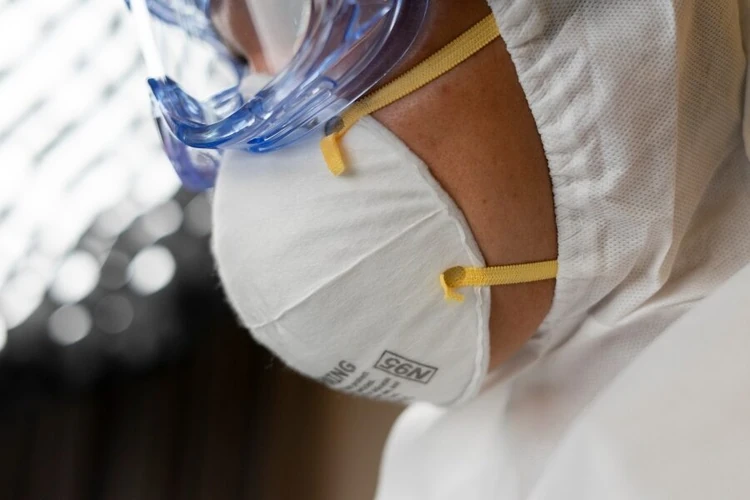
Homeland Security Investigations’ (HSI) -- the branch of U.S. Immigrations and Customs Enforcement (ICE) in charge of monitoring organizations that try to exploit U.S. customs laws -- says that millions of counterfeit N95 masks made their way to the U.S. and were sold in at least five states.

Millions of the fake masks were purchased by hospitals, medical institutions, and government agencies. About two million of the masks actually made it to the frontline where they were used by health care workers in Washington State.

Cassie Sauer, president of the Washington State Hospital Association, said Washington State hospitals bought hundreds of thousands of the fraudulent masks, and the association itself bought another 300,000 for its members.

“Really good fakes”

Counterfeiting skills have reached expert levels over the years, and these masks were no exception. Many were stamped with the 3M logo and shipped in boxes that read, “Made in the U.S.A.,” despite not being made stateside or made by 3M according to the investigators.

The masks were “really good fakes,” Sauer said, noting that the fraudulent sellers had the design nuances down pat -- right down to a metal bar across the top and a foam strip across the nose.

“They look, they feel, they fit and they breathe like a 3M mask,” she said. But they were not made by 3M, she said, and officials don’t know enough about them to know how protective they might be.

Whether the masks were as effective as a real N95 made by 3M or not, it doesn’t really matter to HSI. “We don’t know if they meet the standards,” said Brian Weinhaus, a special agent with Homeland Security Investigations, told the New York Times.

Weinhaus said that companies claiming to be medical suppliers were likely buying the copycat N95s in China, then selling them as legitimate 3M masks. He told the Times that many of the masks include a reflective seal with the word “Peru,” which 3M said it does not use outside of Latin America. Weinhaus said HSI is doing its best to try to track the respirators back to the source and stop them at the border.

Public warned to stay vigilant

This is the second large counterfeit nab that HSI has made recently. In early December, more than 100,000 counterfeit 3M N95 surgical masks destined to be used by hospital workers were seized by ICE.

HSI is serious about protecting the legitimacy of coronavirus-related items like masks. Early in the pandemic, the agency launched a special operation – called Operation Stolen Promise – to protect U.S. consumers from the increasing and evolving threat posed by the pandemic. 

The operation involves various federal agencies and private sector partners, including Pfizer, 3M, and Amazon. The companies are all part of the manufacturer-to-consumer purchasing chain. Even the Alibaba Group -- a Chinese version of Amazon which was once on the list of the world’s most “notorious markets” for counterfeit goods -- signed up to do its part.

The operation has done a lot for consumers. Since the beginning of the pandemic, the agency sinkholed 11,000+ COVID-19 domains and made hundreds of arrests. Amazon alone stopped more than 6.5 million products that made inaccurate claims, and it removed over a million offers for suspected price gouging and referred the most flagrant offenders to federal and state law enforcement. 

Still, HSI is asking consumers to remain vigilant, mostly because the agency is focused on things that cross the U.S. borders and typically does not conduct operations at medical facilities. If anyone suspects -- or even wants to verify the legitimacy of -- a coronavirus-related product, HSI encourages the public to report that potential fraud to COVID19FRAUD@DHS.GOV.

Article Image

Stealing identities to file for unemployment is the latest pandemic-driven scam

Millions of Americans have received unemployment benefits in the last year, and a stimulus bill under consideration in Congress would pay an extra $400 week in jobless benefits in the future.

Scammers have noticed and have come up with a new scheme to steal some money. It’s actually a different form of identity theft. Scammers steal an identity and file a claim for unemployment benefits.

They’re stealing identities the way they always have. They trick people into sharing their Social Security numbers and other information. Other scammers make cold calls to potential victims and manipulate them into sharing personal information.

One crook told USA Today that he compiles a list of real people, then turns to the “dark web” to purchase corresponding dates of birth and Social Security numbers. Apparently, it’s all out there.

Easy money for fraudsters

Armed with that information, the scammer files a claim for unemployment benefits and can collect the money until the government discovers the scheme. It can be quite lucrative.

But you might be wondering how you, the victim, are harmed. There are more ways than you might think.

The state unemployment office may send your employer a letter to confirm your last day of employment. That could be a little awkward if you’re still on the payroll and might be difficult to explain.

But like any other form of identity theft, it can also harm you financially. Unemployment benefits are taxable. The Internal Revenue Service (IRS) is going to expect you to pay the taxes, not the scammer who collected the ill-gotten benefits.

How to protect yourself

According to the Better Business Bureau, there are ways you can protect yourself. If you receive an official notification about an unemployment claim that you never made, you need to report it. You’ll find your state’s contact info on this list.

Make sure you check your credit report at least once a year. An unemployment claim in your name means that scammers have your personal information. Under federal law, you can get free access to your credit reports from all three credit reporting agencies once a year at  AnnualCreditReport.com.

Finally, remain alert for any strange communication from your state unemployment office that mentions jobless benefits that you have not received.

Article Image

Think twice before posting a photo of your vaccination card on social media

Millions of Americans have gotten their coronavirus (COVID-19) vaccination, and to celebrate, they’re posting pictures of their vaccination cards on social media. That’s not a good idea, warns the Better Business Bureau (BBB).

“The self-identifying information on it makes you vulnerable to identity theft and can help scammers create phony versions,” the organization said in a release.

The card showing that you have received the first dose of the vaccine displays your full name and date of birth. That’s not information you want just anyone to have. It gives criminals a head start on creating an identity that is parallel to yours.

And sharing personal information isn’t the only danger. Scammers are already producing counterfeit vaccination cards to sell on eBay and TikTok. In fact, authorities in the U.K. have already made some arrests.

While you might want to avoid posting a full picture of your vaccination card, that doesn’t mean you can’t celebrate your inoculation with your friends; you just need to do it safely. Here’s how:

  • Post a picture of your vaccine sticker or use a profile frame.

  • Check your security settings on all social media platforms to see what you are sharing and with whom. If you only want friends and family to see your posts, be sure that’s how your privacy settings are configured.

Online quizzes can be dangerous too

While we’re on the subject of sharing too much information, avoid answering risky social media surveys and think twice before participating in other viral personal posts, such as listing all the cars you’ve owned (including makes/model years), favorite songs, and top 10 TV shows. Some of these “favorite things” are commonly used passwords or security questions.

According to the BBB, some of these quizzes circulating on Facebook are actually put together by scammers who are fishing for personal information.

If you see questions like “What is your mother's maiden name?” or “What is the name of the street you grew up on?” then there’s likely a sinister motive behind those queries. 

Those just happen to be common security questions for banking and credit card accounts. The BBB says sharing this information can lead to your accounts being hacked and your personal and financial information being stolen.

Article Image

New Netflix scam offers free streaming for a year

The coronavirus (COVID-19) pandemic has spawned many new scams, and one of the latest involves Netflix. Scammers are sending out texts offering free Netflix service for a year.

“Due to the pandemic, Netflix is offering everyone a free year of service to help you stay at home,” one of the messages says. “Click the link to sign up.”

People who click the link will be taken to a website made to look like a Netflix page. There, they will be asked to fill in some personal data including credit card information.

Wait a minute! Why does Netflix need a credit card to provide free service? The scammer who is operating the bogus site hopes you won’t think to ask that question and will instead provide the requested information, focusing on all that free content you’re about to enjoy.

The Better Business Bureau (BBB) says its BBB Scam Tracker says it has received an increasing number of reports of this scam. If a victim provides a credit card number they find several fraudulent charges on their account.

According to one recent victim, the scammer charged their card repeatedly – even after they asked for a refund.

“[The scammers] said no other money would be taken out of my account again,” the victim reported. “Then, about a week later, they took $39.99, and I called and asked for a refund. They told me three days at first. Then, after three days I called back, and they told me seven-10 business days. It’s been 10 business days. And now I have no refund.”

What to do

People who are victimized by this scam should contact the fraud department of their credit card company immediately and report it. In most cases, the disputed charge will be removed.

To avoid this scam in the first place, don’t click on any links. If you think the offer might be legitimate, contact the company directly to verify it.  

Consumers should also understand that scammers have used Netflix to launch their schemes in the past. In 2019, scammers sent out phishing emails warning that the recipient’s Netflix account was about to be suspended because the company couldn’t process payment information.

The victim was then directed to a bogus site and asked to enter payment card information.

Article Image

Fact-checking is key to dispelling vaccine-related myths on social media

Misinformation is widely circulated around the internet. Since the start of the COVID-19 pandemic, falsehoods about the virus and potential vaccines have populated social media platforms like YouTube on a regular basis. 

Now, a new study conducted by researchers from the University of California at Davis found that social media sites that call out misinformation about vaccines and provide a credible fact-check are most likely to positively influence consumers’ attitudes about vaccines. 

“What approaches are most effective at targeting vaccine misinformation on social media among users unlikely to visit fact-checking websites or engage with thorough corrections?” said the researchers wrote. “This project shows that seeing a fact-checking label immediately below a misinformation post can make viewers more favorable toward vaccines.”  

Setting the record straight

To see how effective fact-checking messages are at changing consumers’ attitudes about vaccines, the researchers showed nearly 1,200 participants various vaccine-related posts that contained misinformation and were flagged with different styles of fact-checking. 

The study revealed that posts containing fact-check tags right beneath them had a positive impact on consumers in terms of vaccine hesitancy. Prior to this study, all of the participants had reported some level of skepticism about vaccines in general. However, seeing the fact-check directly underneath a post was an effective way for the participants to develop more positive attitudes about vaccines. 

The team found that the source of the fact-check also played a role. Participants who deemed the source of a fact check as the most knowledgeable were more likely to experience the greatest shift in their perceptions. 

“In fact, fact-checking labels from health institutions and research universities were seen as more ‘expert’ than others, indirectly resulting in more positive attitudes toward vaccines,” said researcher Jingwen Zhang. 

Sharing facts on social media

The goal of this study was to highlight the ways that misinformation permeates social media and to discover effective ways that fact-checking can be utilized to most benefit consumers. 

“Because both individuals and groups can post misinformation, such as false claims about vaccines, social media have played a role in spreading misinformation,” Zhang said. 

As consumers across the country continue to get vaccinated for COVID-19, it’s more important than ever that they have all the facts. Moving forward, the researchers hope that more progress can be done in this area to ensure that any and all misinformation is flagged and fact-checked. 

“The most important thing I learned from this paper is that fact-checking is effective...giving people a simple label can change their attitude,” said Zhang. “Secondly, I am calling for more researchers and scientists to engage in public health and science communications. We need to be more proactive. We are not using our power right now.” 

Article Image

Dark web sees rise in scam COVID-19 vaccine offers

Scammers are continuing to exploit the pandemic, most recently through schemes claiming to make it possible for people to purchase a COVID-19 vaccine. 

According to European and U.S. government officials, dark web forums are rife with scams related to the pandemic. Many scammers are now attempting to profit off the COVID-19 vaccine distribution program, which has gotten off to a slow start. 

At least seven different offers for supposed COVID-19 vaccines were found online, in dark web forums, and on the messaging app Telegram, Reuters reported. The offers promise people access to legitimate vaccines that sellers allegedly pulled from national stockpiles. 

A user on Telegram claimed to have vials of Moderna’s vaccines for $180 each, vials of the vaccine from Pfizer and BioNTech for $150, and vials of AstraZeneca’s vaccine for $110 each.  The seller said the vials could be transported in “regulated temperature packs.” 

On other dark web sites, sellers are offering COVID-19 vaccines alongside stock photos of vaccines. Vials of fake COVID-19 vaccines are listed for between $500 and $1,000 (or the equivalent in bitcoin) on the dark web forum Agartha. Other vials are being offered in exchange for a donation and buyers’ medical history. 

‘No legitimate vaccine is sold online’

Drugmakers are aware of the increase in these types of scams and say consumers should never purchase a vaccine online. Legitimate vaccines will be administered at no cost. 

“Patients should never try to secure a vaccine online - no legitimate vaccine is sold online - and only get vaccinated at certified vaccination centers or by certified healthcare providers,” a Pfizer spokesman said in a statement.

As of Monday, about 4.5 million Americans had received their first COVID-19 shot, according to the CDC. Under the current distribution timeline, most people will likely have to wait until spring or summer to get their shot.