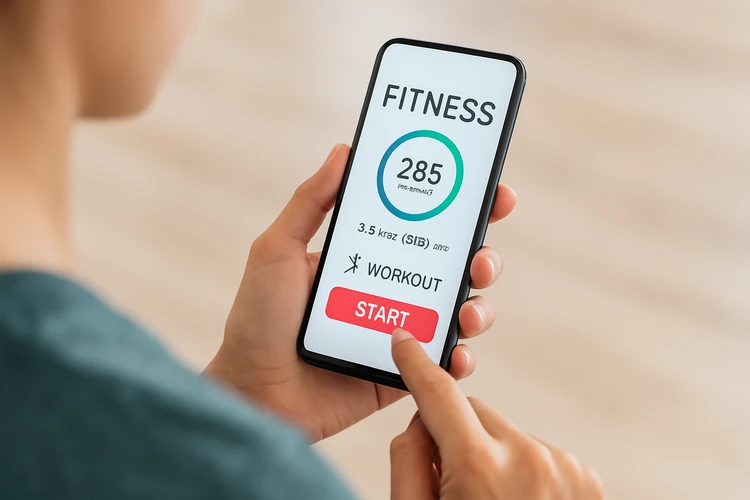

A new study found that nearly half of fitness app users skipped meals or overexercised just to meet AI-generated goals.
Experts warn of mental health risks, with 61% of users reporting anxiety when they miss a day of logging and many quitting apps due to “app fatigue.”
Balance is key, and listening to your body is paramount over rigid app targets.
Artificial intelligence is quickly becoming part of our everyday lives — from shopping recommendations to workplace tools.
But what happens when AI follows us into the gym? Fitness apps that promise “smarter” workouts and personalized health tips are gaining traction, yet a new study from Levity suggests that the impact isn’t always so positive.
Nearly half of users surveyed admitted to skipping meals or overexercising just to keep up with app-generated goals, and personal trainers say they’re increasingly stepping in to undo harmful advice.
ConsumerAffairs spoke with Dr. Zoe Lees, Medical Writer at Levity, to unpack how AI-powered fitness tools can influence both our physical and mental health — and why it’s worth looking beyond the glossy promises on your phone screen.
“One thing we don’t talk about enough is app fatigue,” Dr. Lees said. “More than a quarter of users told us that they’ve quit using fitness apps because they started to damage their mental health. At some point, success looks less like hitting every metric and more like knowing when to step back and reassess your priorities.”
How is AI affecting fitness trackers?
Whether you have a wearable device, or an app that logs your workouts and calories, we’re no stranger to the ways that technology intersects with fitness. But what role does AI play?
“AI has definitely made fitness apps smarter, turning them into personal coaches that can track nearly everything,” Dr. Lees said. “But there’s a fine line between helpful and harmful.
“According to our research, nearly half of personal trainers have witnessed clients develop disordered habits, such as skipping meals or overexercising, to meet fitness goals. Is that really motivation, or just pressure disguised as progress?”
Are there pros and cons?
According to Dr. Lees, there are pros and cons to these AI-powered tools. For starters, one of the biggest perks is the structure they provide.
“They keep people accountable and provide a real sense of direction,” Dr. Lees said.
However, they can also take a serious mental toll.
“Sixty-one percent of users report feeling anxious when they miss a day of logging, and 30% say they follow the app’s goals even when it conflicts with their body's needs. It’s easy to become more focused on streaks and stats than your actual well-being.”
Listening to your body
When there’s pressure from apps and fitness trackers, it can be hard to block out the noise. However, Dr. Lees says that listening to your body is paramount.
“If your app is telling you to ignore hunger or push through fatigue, that’s your cue to hit pause,” she said. “If the app says ‘push harder,’ but your body says ‘rest,’ rest wins. These tools are meant to support your health, not silence your instincts, and trusting your body is just as important as tracking it.”
Finding the right balance
Having a commitment to a healthy lifestyle is important and ultimately a positive thing. Dr. Lees warns consumers about taking it too far and ignoring key signs that you’ve over done.
Her best advice: find the right balance.
“The most balanced approach should be to use AI as a compass, not a controller,” she explained. “If you miss a workout or side-step your meal plan, that’s just part of the process, and you’re not a failure.
“Real progress comes from combining smart tracking with real-life flexibility, and ideally, guidance from a trainer or health professional who can help filter out the noise.”