

Home warranty radon mitigation coverage, explained
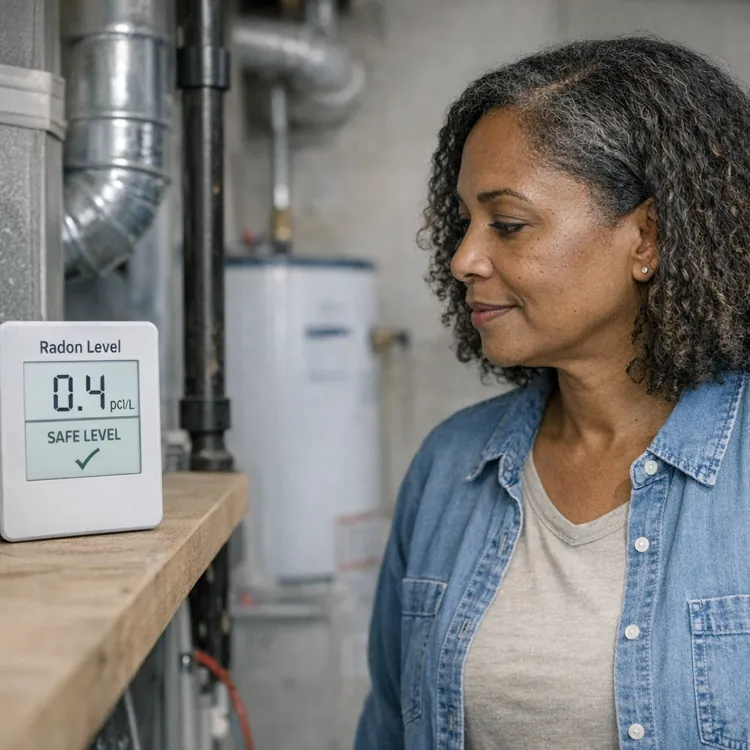
Long-term exposure to excessive radon can increase your risk of developing lung cancer. Despite the health risks, standard home warranties typically do not provide coverage for this environmental issue.
Why radon is usually excluded
Standard home warranties cover the repair or replacement of major home systems and appliances that fail due to normal wear and tear. Radon mitigation doesn’t fall into that category, which is why it’s typically excluded.
Radon is a naturally occurring radioactive gas that enters a home from the soil beneath, so its presence isn’t caused by a mechanical failure, improper installation of a system or lack of maintenance. It’s an environmental condition. Home warranty providers generally exclude environmental hazards because they’re not tied to the performance or breakdown of a specific covered component.
This same reasoning applies to other exclusions commonly found in home warranty contracts, such as mold and pest infestations.
What counts as a covered repair
Most home warranties only cover damage that directly results from normal wear and tear, which is the expected deterioration that occurs over time with everyday use. Damages from other causes, such as natural disasters or lack of maintenance, are usually excluded.
Many home warranty companies offer systems-only and appliance-only plans, and some companies offer comprehensive plans that cover both.
Systems-only home warranty plans typically cover:
- Heating
- Plumbing
- Cooling
- Electrical
- Water heaters
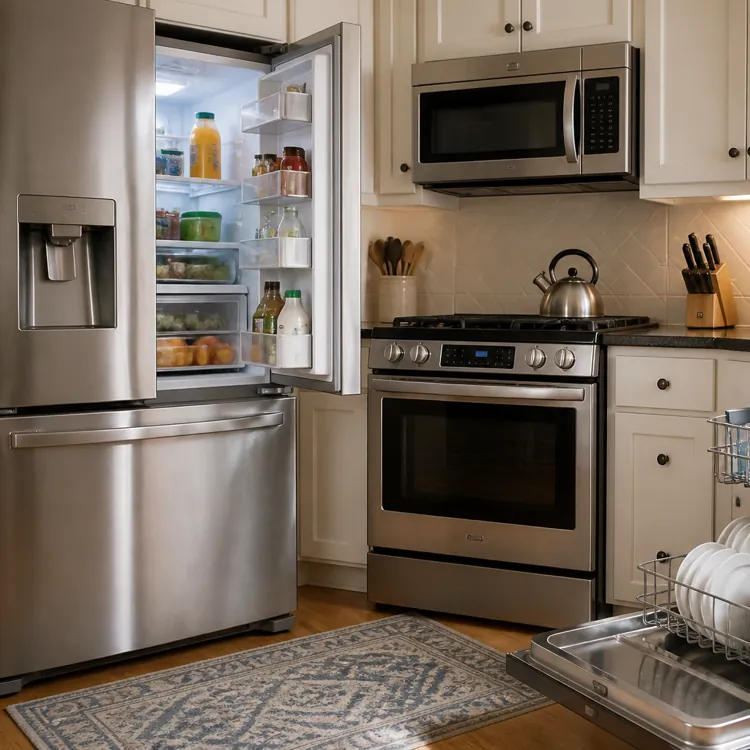
Appliance-only home warranty plans cover things such as:
- Oven
- Stove
- Built-in microwave
- Dishwasher
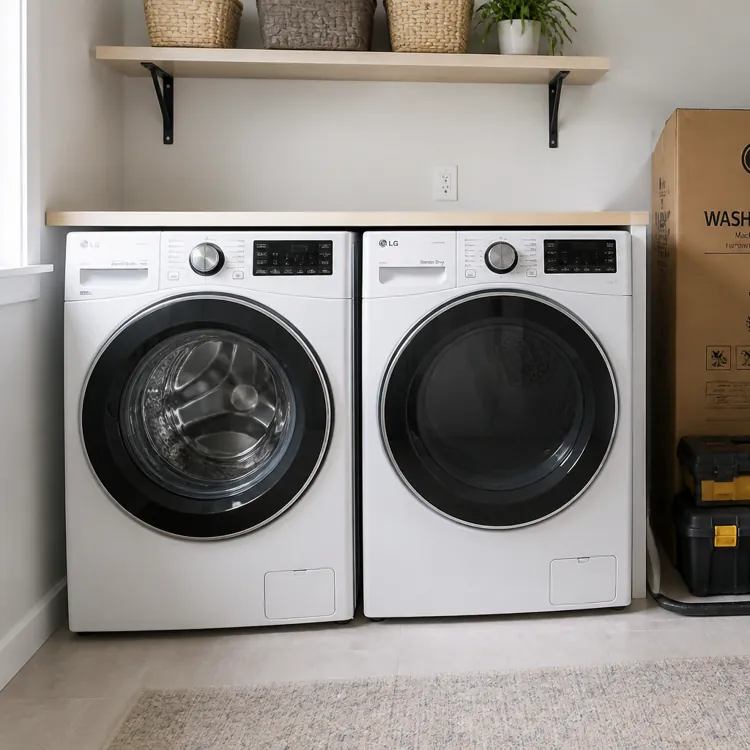
- Washer and dryer
- Garbage disposal
Exceptions and rare add-ons
Some warranty providers might offer environmental add-ons, but even then, radon coverage is pretty rare. If a warranty company does provide radon coverage, it’s usually limited and may only cover certain components of a mitigation system rather than the full installation.
If you’re worried about radon levels in your home, consider alternative forms of protection, such as:
- Getting professional radon testing and mitigation services
- Checking compliance with local or national health guidelines
- Looking into builder warranties in jurisdictions where radon coverage is mandated or regulated
And if you’re buying a home, “the best protection is a radon contingency clause in the real estate contract that requires the seller to pay for a mitigation system before closing in the event the buyer’s home inspector performs a test and determines the average radon level over a minimum 48-hour test is at or above the EPA 4 pCi/L Action Level,” Jones explained.
Radon testing and mitigation costs
Testing for radon presence is generally quite affordable, but the cost of a radon mitigation system varies according to the size and design of your home, as well as the system being installed.
| Service | Typical cost range | Who pays | Notes |
|---|---|---|---|
| Short-term test (two to seven days) | $15 to $50 | Homeowner | EPA-certified DIY kits (fast results but less precise) |
| Long-term test (90+ days) | $50 to $150 | Homeowner | More accurate average exposure over time |
| Professional testing | $150 to $300 | Homeowner or buyer/seller | Often used in real estate transactions |
| Mitigation system installation | $800 to $2,500+ | Homeowner | Can cost more than $3,000, depending on the size and design of your home |
| Fan replacement | $150 to $300 | Homeowner | Typically required every five to 10 years |
| Retesting | $100 to $200 | Homeowner | Recommended after installation and periodically |
While short-term tests are pretty affordable, the results can sometimes be inaccurate. You may want to opt for long-term or professional testing to get more precise answers.
And if you do need mitigation, the price heavily depends on your home’s size and design. Generally, houses built on a slab are typically quicker and cheaper to fix, whereas basements or crawl spaces can require more work. Once everything is installed, you should retest every couple of years and regularly replace the fans to keep the system running properly.
New home warranties and radon coverage
Radon coverage can look different depending on the warranty type attached to a home. Though most homeowners may be familiar with standard home warranties, new construction homes come with builder warranties that follow a completely different set of rules, especially when it comes to environmental risks such as radon.
Builder warranty vs. home warranty
Home warranties usually only cover mechanical breakdowns of systems and appliances due to normal wear and tear, which is why radon is excluded. Builder warranties, on the other hand, typically cover defects in workmanship and materials throughout the home, which means radon can potentially be considered if it’s tied to how the home was built.
That said, most builder warranties don’t automatically cover radon. Coverage is usually limited to situations where high radon levels are actually linked to a construction-related issue.
Ontario Tarion radon rules
Ontario’s Tarion Warranty Corporation is one of the few programs that explicitly includes radon coverage under certain conditions. With Tarion, coverage may apply if radon levels exceed 200 becquerels per cubic meter, which aligns with Health Canada’s action level. Ontario is one of the only jurisdictions in Canada that covers radon remediation as part of its statutory new home warranty.
Owners of newly-built freehold homes are responsible for their own radon testing, and condo unit owners are responsible for testing areas within their individual units.
If test results show that radon levels are higher than Health Canada’s guideline of 200 becquerels per cubic meter, eligible homeowners can submit a warranty claim to their builder and Tarion using its applicable warranty form. Strict testing protocols must be followed, including using approved testing devices and conducting tests over a specified duration to ensure accurate results.
How to make a radon claim
To make a valid radon claim under a builder's warranty, you must meet specific documentation and testing requirements. This typically means having certified test results, proof that testing followed approved guidelines and evidence that radon levels exceed the applicable threshold.
Also, warranties usually have defined coverage periods, and radon claims must be submitted within those windows. Check with your warranty provider to confirm deadlines and requirements.
What to do if radon is high
If your radon levels come back high, follow these steps:
- Confirm your results: If you used a short-term test, follow up with a long-term or professional test using certified methods to make sure the reading is accurate.
- Check against safety guidelines: Compare your results to the recommended action levels (4.0 pCi/L in the U.S. or 200 Bq/m³ in Canada).
- Get a few quotes: Reach out to at least two or three certified radon mitigation professionals to compare pricing.
- Schedule the installation: Most systems can be installed in a day, though you may wait a few days or up to a week to get on the schedule.
- Retest after installation: Once the system is in, test again within a few days or weeks to make sure radon levels have dropped.
- Retest regularly: Plan to retest every couple of years and replace parts, such as the fan, when needed.
If you have an older home, be sure to check for other issues beyond radon, such as outdated systems or other environmental risks that may need separate inspections or repairs.
FAQ
Does homeowners insurance cover radon mitigation systems?
No. Homeowners insurance typically doesn’t cover radon mitigation because radon is considered an environmental hazard and not sudden or accidental damage.
What does a home warranty typically not cover?
Home warranties usually don’t cover environmental hazards, structural issues or damage from neglect or pre-existing conditions. This includes things such as radon, mold, pests and foundation problems.
How long does radon mitigation take to install?
Most radon mitigation systems can be installed in a single day, though it could take longer depending on the size and design of your home.
Can you negotiate radon mitigation costs with a seller?
Yes. You can negotiate with sellers to cover part or all of the radon mitigation cost after a home inspection, through a price reduction, seller credit or having the seller install the system before closing.
Article sources
ConsumerAffairs writers primarily rely on government data, industry experts and original research from other reputable publications to inform their work. Specific sources for this article include:
- National Library of Medicine, “Radon exposure: a major cause of lung cancer in nonsmokers.” Accessed Feb. 22, 2026.
- Tarion, “How your new home warranty protects you against the dangers of radon gas.” Accessed Feb. 22, 2026.