

Water softener replacement costs
Several factors determine the cost of your water softener replacement. The type and quality of the water softener, the size of your household and your water's hardness level all affect the price.
Water softener replacement costs by type
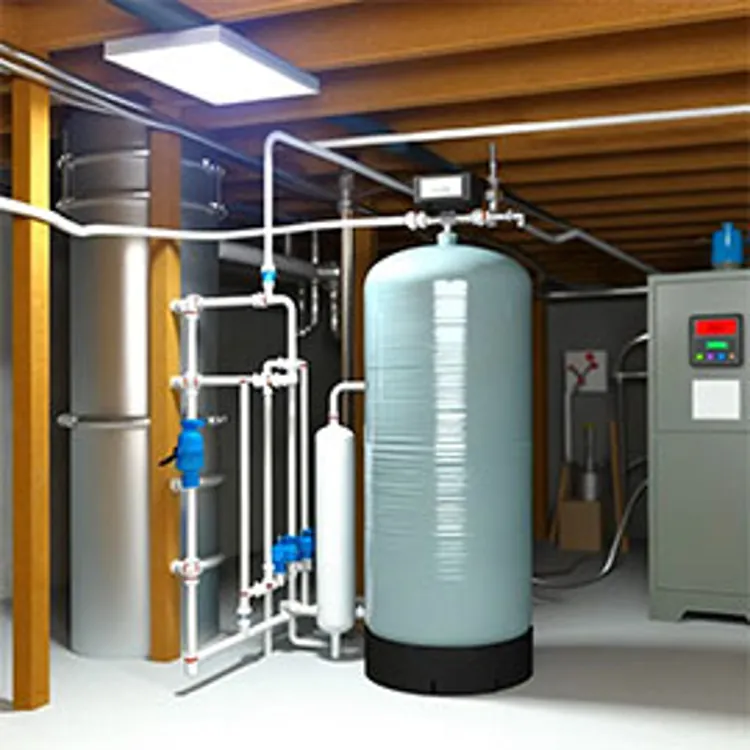
The type of water softener you need depends on how much water your home uses and the amount of minerals in your water. Magnetic water softeners tend to be the cheapest pick, but you may need something with a little more filtration, like a reverse osmosis or water distiller system. Larger homes often need a dual-tank system to keep up with the water demands of more sinks and toilets.
| Type of water softener | Cost |
|---|---|
| Magnetic | $200 to $600 |
| Single-tank ion exchange | $500 to $1,700 |
| Salt-free | $800 to $4,000 |
| Double-tank ion exchange | $1,000 to $5,000 |
| Water distiller | $1,200 to $4,000 |
| Reverse osmosis (point-of-use) | $1,500 to $1,800 |
| Reverse osmosis (whole home) | $4,000 to $11,000 |
Water softener replacement cost by GPG level
The price of a new water softener can vary greatly depending on your water hardness. During testing, water hardness is measured as 1 grain (64.8 milligrams) of calcium carbonate dissolved in 1 gallon of water (GPG). Hard water is water with a GPG of 7.5 or higher. Anything lower is considered soft water.
With GPG measurements, the higher the capacity level, the more you can expect to pay. The GPG you need depends on how hard your water is and how many household members are using it. For example, a home with five to six people and low to moderately hard water will need a system rated at around 32,000 GPG, but so would a smaller household of three to four people if it has very hard water.
| Water softener GPG capacity level | Cost |
|---|---|
| 24,000 | $300 to $500 |
| 32,000 | $400 to $1,000 |
| 48,000 | $600 to $1,200 |
| 64,000 | $800 to $1,500 |
| 80,000 | $1,500 to $1,800 |
| 96,000 | $1,700 to $2,500 |
If your system was doing its job well before it stopped working, go ahead and get the same size and type as your old system.
» LEARN: How does a water softener work?
Water softener installation and labor costs
If you choose to hire a professional to install your water softener, labor and installation fees can add significantly to your overall project cost.
How much you’ll pay depends on several variables, including where you live, how complex the plumbing in your home is, the type of system you’re installing and whether any additional plumbing or electrical work is required. Typical labor cost ranges include:
- Standard professional installation: Most plumbers or water treatment specialists charge approximately $150 to $1,000 just for labor on a typical whole-home water softener installation.
- Higher-end or complex installs: In markets with higher labor rates or for jobs involving extra plumbing modifications (like new pipe runs, drain hookups or bypass valves), labor alone can reach $1,000 to $2,000 or more.
- All-in installed cost: When equipment and labor are bundled together by the installer or dealer, total installed costs frequently fall in the $1,000 to $3,000 range, though some homes with simple setups may be lower and more complex jobs higher.
Factors affecting labor costs
Since labor represents a significant portion of the total cost of installation, you’re probably wondering where in the range your project will fall. Here are some variables to keep in mind when determining how much you’ll have to pay your pro.
- Local labor rates: Plumbers in big cities or high-cost areas can charge significantly more per hour than those in rural regions.
- Installation complexity: If your home’s plumbing needs new connections, rerouting or additional materials, expect to pay more in labor. Some installations can take just a few hours, while more involved jobs can extend well beyond that.
- Permits and extras: Permits, electrical work, framing or upgrades to drainage lines can add to the total installation bill beyond basic labor costs.
DIY vs. professional water softener replacement
Replacing an existing water softener is often simpler than installing one for the first time, since the plumbing, drain line and electrical outlet are usually already in place. That said, the level of difficulty can vary depending on your home’s setup and the type of system you’re installing.
Can you DIY water softener replacement?
In some cases, homeowners with basic plumbing experience can replace a water softener themselves, particularly if the new unit is similar in size and design to the old one. If you opt for a small and straightforward water heater, you can find yourself paying on the low end of the cost range for this project — about $500 to $800.
A straightforward swap may take one to three hours and typically involves disconnecting the old system and reconnecting the new one to existing supply lines. But keep in mind that even simple replacements can become more complicated if fittings don’t line up perfectly or if older plumbing needs modification.
DIY replacement may be reasonable if:
- The new softener uses the same plumbing connections as the old unit
- No new drain line, bypass valve, or electrical work is required
- Local codes don’t require permits or inspections for replacement
- You’re comfortable working with household plumbing and shutting off the main water supply
When to call a pro
Hiring a licensed plumber or water treatment specialist is often the safer choice — especially for whole-home systems — and is strongly recommended if any part of the job goes beyond a basic swap. While this can tack $1,000 or more onto replacement costs, it can provide peace of mind that the system is installed correctly and meets local codes.
You should consider professional installation if:
- The new softener is a different size or configuration than the old one
- Plumbing lines need to be rerouted, resized or replaced
- A new drain connection or electrical outlet must be added
- Your municipality requires permits or code compliance
- You want to avoid leaks, water damage or warranty issues
Water softener repair vs. replacement
If your water softener is having issues, you may want to try getting it repaired before investing in a full replacement, but repair may not always be worth it. Knowing when to replace instead of repair a water softener depends on several factors, including the age of the unit, how many components need repair, and which components are affected.
Many people use a simple age threshold/cost threshold rule to decide whether to repair or replace a failing appliance. If the unit has reached 50% to 75% of its expected lifespan and the cost of repairs equals or exceeds 50% of the replacement cost, replacement is often the wiser option.
These typical water softener repair cost ranges can help you price out your decision:
| Repair | Typical cost |
|---|---|
| Brine tank repair | $150 to $300 |
| Seal replacement or major leak repair | $150 to $600 |
| Timer or control valve replacement | $150 to $600 |
| Resin replacement or resin tank repair | $300 to $600 |
When are the signs of a bad water softener?
You may need to replace your water softener if you notice hard water symptoms returning or the system no longer works consistently. Common warning signs include:
- Water no longer feels “soft”: Soap may stop lathering properly, and your skin or hair can feel dry, stiff or filmy after washing or showering.
- Visible hard water residue: You may notice water spots or streaks on drinking glasses and dishes, along with white, chalky limescale buildup on faucets and fixtures.
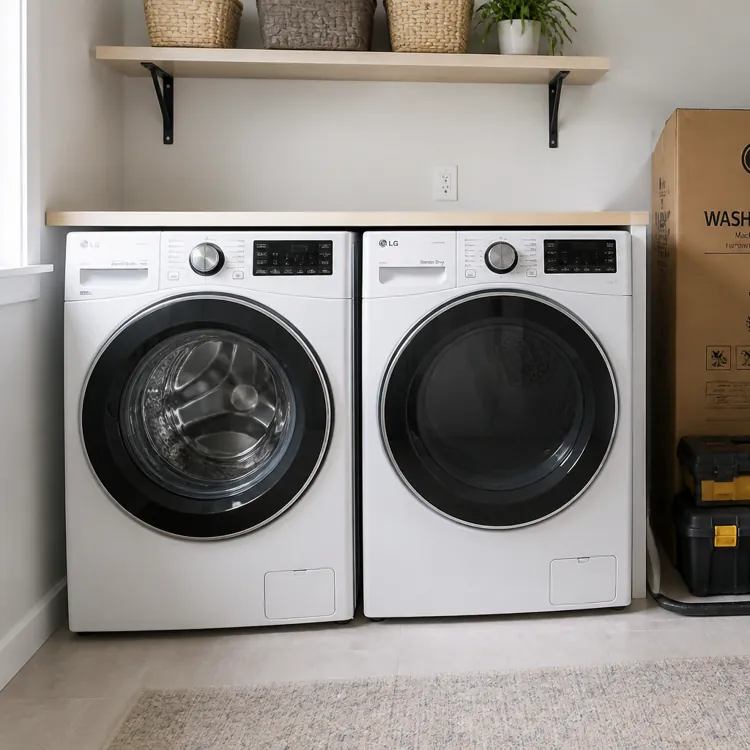
- Appliance and plumbing issues: Mineral scale can build up inside appliances like dishwashers and washing machines, reducing efficiency and potentially shortening their lifespan.
- Changes in water quality: Your water may develop a noticeable mineral taste or odor, even though it previously tasted or smelled neutral.
- System performance problems: The softener may regenerate too often, run continuously, fail to use salt as expected or display error codes on digital control panels.
- The unit is nearing the end of its lifespan: Most water softeners last about 10 to 15 years, and systems at or beyond this age are more likely to fail or perform inconsistently.
Ongoing water softener maintenance costs
Even after replacement, water softeners require ongoing upkeep to operate efficiently. Ongoing maintenance costs typically range from $200 to $1,000 per year, depending on the type of system, your local service rates and how hard your water is. Common maintenance expenses include:
- Salt or potassium refills: Most salt-based systems need periodic brine tank refills. Annual salt costs generally fall between $50 and $300, depending on household size and water usage.
- Filter replacements: Systems with pre-filters or post-filters require routine replacement to protect internal components and maintain water quality. Filter costs usually range from $40 to $200 per year.
- Resin tank servicing: The sodium resin beads gradually lose effectiveness over time. While this isn’t an annual expense, occasional cleaning or replacement can cost $150 to $600 when needed.
- Professional maintenance visits: Though not required, some homeowners schedule periodic inspections or tune-ups to ensure proper regeneration and system performance. Service calls often cost $100 to $300 per visit.
Does your home warranty cover water softener replacement?
Home warranties help cover the repair or replacement of major home systems and appliances due to normal wear and tear, and some plans include water softeners as covered equipment. If your water softener fails and the issue is covered, you typically pay a service call fee or deductible of $75 to $150, and the warranty provider covers the remaining repair or replacement costs.
Coverage can be especially valuable because replacing a water softener can cost hundreds to thousands of dollars, particularly when professional installation is required. Compare that to $60 per month — the average cost of a home warranty — for multiunit coverage. Many home warranty plans also include labor and installation as part of the covered service, which can significantly reduce out-of-pocket expenses.
However, coverage varies by provider and plan. Some warranties limit coverage to specific system types, cap payouts or exclude preexisting conditions and improper installation. Before relying on a home warranty, it’s a good idea to review your contract to confirm whether water softeners are included and what costs you may still be responsible for.
» CHOOSE: Best home warranty companies
FAQ
How long does a water softener last?
Water softeners are often said to last 10 to 15 years, but many parts can last longer if they’re well cared for. The overall expected lifespan of a typical water heater is 20 years, according to the International Association of Certified Home Inspectors.
Do I need to have my water softener serviced regularly?
You can handle most water softener maintenance yourself without scheduling regular professional service visits. Routine upkeep typically includes checking and refilling the salt or potassium in the brine tank, replacing any filters as recommended and occasionally inspecting the system for leaks or error codes.
Do water softeners have a warranty?
Yes, water softeners come with a manufacturer’s warranty, typically ranging from one to five years depending on the brand. Warranties usually cover defects in materials or workmanship but not damage from poor installation or lack of maintenance. Some home warranty plans may also cover your water softener, including repairs or replacement, often with labor included.
Is it worth repairing a water softener?
Whether repairing a water softener is worthwhile depends on its age, condition and the cost of repairs. For units under 10 years old with minor issues, repair can be cost-effective. For older systems or those with multiple failing components, replacement is often more economical in the long run, depending on which components are affected.
How long does it take a plumber to replace a water softener?
A professional plumber can typically replace a water softener in two to four hours, assuming the plumbing and electrical connections are already in place. More complex installations, such as rerouting pipes or adding new hookups, may take longer.
What happens if you don't replace the water softener?
If a failing water softener isn’t replaced, you may experience hard water problems, including mineral buildup on faucets, appliances and pipes; reduced soap lather; and possible damage to plumbing or water-using appliances. Over time, this can lead to higher cleaning and repair costs.
Bottom line
The cost of replacing a water softener can vary widely depending on several factors, such as the type of system you choose, the size of your home and the hardness of your water.
Expect to pay around $1,500 to $3,000 for a mid-grade water softener professionally installed. If you opt for DIY installation, you can spend less than $1,000. For a high-end replacement or a complicated installation, budget to spend $5,000 or more.
Remember that you can save money by installing the new water softener yourself or by filing a claim through your home warranty company.
Article sources
ConsumerAffairs writers primarily rely on government data, industry experts and original research from other reputable publications to inform their work. Specific sources for this article include:
GE Appliances, "Definition of Grains Per Gallon." Accessed Sept. 20, 2026.
WaterBoss, "What Is the Expected Cost to Install a Water Softener?" Accessed Sept. 20, 2026.
Mattioni Plumbing, Heating and Cooling, "How Much Does a Water Softener Cost?" Accessed Sept. 20, 2026.
Benjamin Franklin Plumbing, "How Much to Install a Water Softener: Comprehensive Cost Guide." Accessed Sept. 20, 2026.
Three Way Plumbing Services, "Breaking Down the Water Softener Cost: Factors to Consider." Accessed Sept. 20, 2026.
Aplus Water, LLC, "Interactive Water Softener Sizing Chart." Accessed Sept. 20, 2026.
Modernize, "Water Softener Repair Cost: What Homeowners Can Expect." Accessed Sept. 20, 2026.
Mid Atlantic Water, "How Long Do Water Softeners Last? Lifespan & Replacement Signs." Accessed Sept. 20, 2026.
International Association of Certified Home Inspectors, "InterNACHI's Standard Estimated Life Expectancy Chart for Homes." Accessed Sept. 20, 2026.