
What are the best cell phones for seniors?
The best cell phone for seniors varies based on the functionality you desire. Some seniors will want the latest technology, like control over IoT environments and tracking for their keys. Others will want a basic flip phone with call and text functionality and not much else. We’ve selected the best cell phones for seniors in several categories.
- Our favorite cell phone for seniors
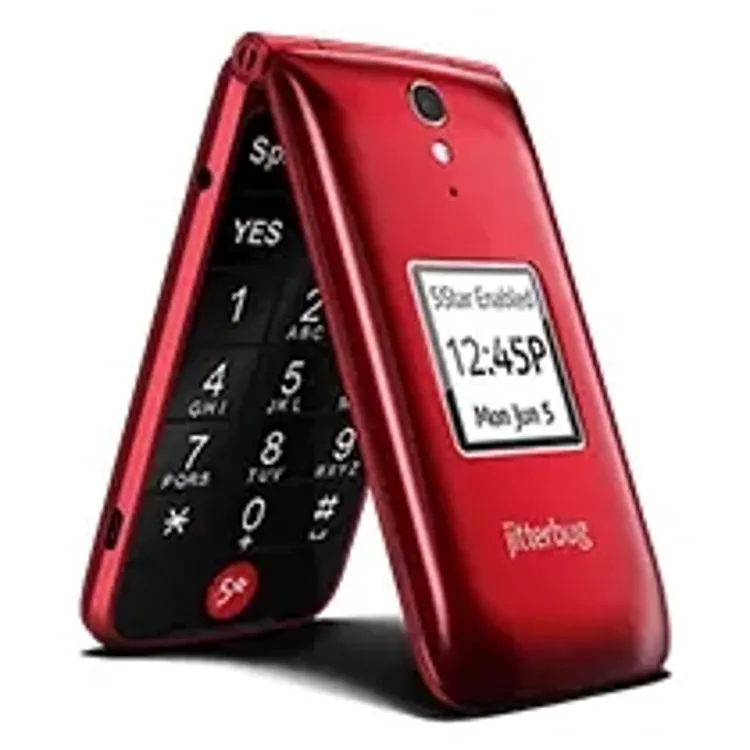
Jitterbug Flip by GreatCall - Our favorite smartphone for seniors
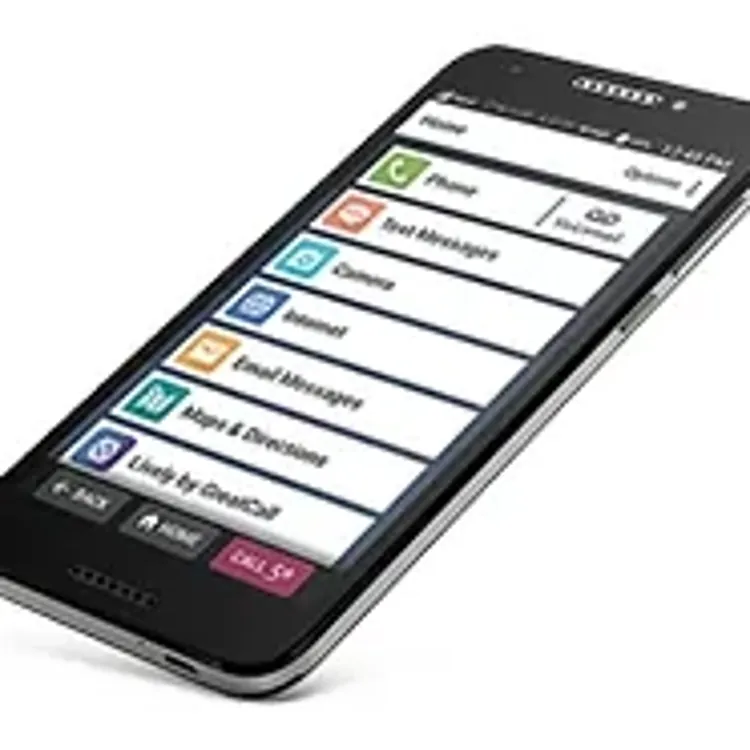
Jitterbug Smart2 by GreatCall - Our favorite cell phone for hearing aids
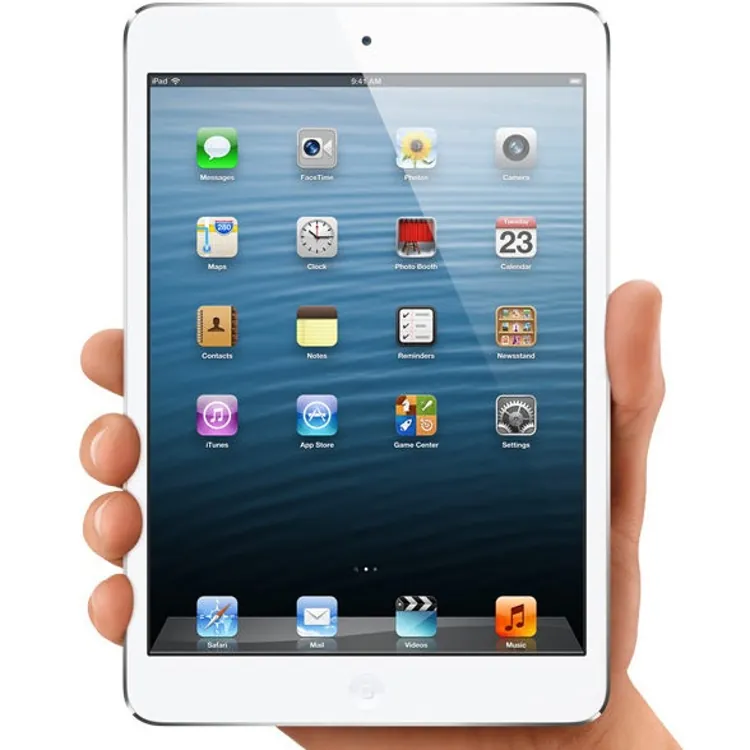
iPad Mini by Apple - Our favorite prepaid phone for seniors
Moto G7 Play by Motorola - Our favorite cell phone for hard of hearing
LG Exalt VN220 by Verizon - Our favorite cell phone for ease of use
Nokia 3310 by Nokia
What should seniors look for in a cell phone?
When you compare cell phones for seniors, it’s easy to get lost in the details. The choice will depend on their needs — will they want a more complex smartphone, a basic flip phone, or a middle-of-the-road phone with standard technology? The most easy-to-use cell phones for seniors are basic flip phones. For those with limited dexterity or bigger fingers, big button phones for seniors work well. The most important features in an easy phone for seniors include:
- A clear, big, bright display
- Good sound and speakers
- Long battery life
- An emergency help button
- A durable build
Jitterbug Flip by GreatCall
Jitterbug Smart2 by GreatCall
iPad Mini by Apple
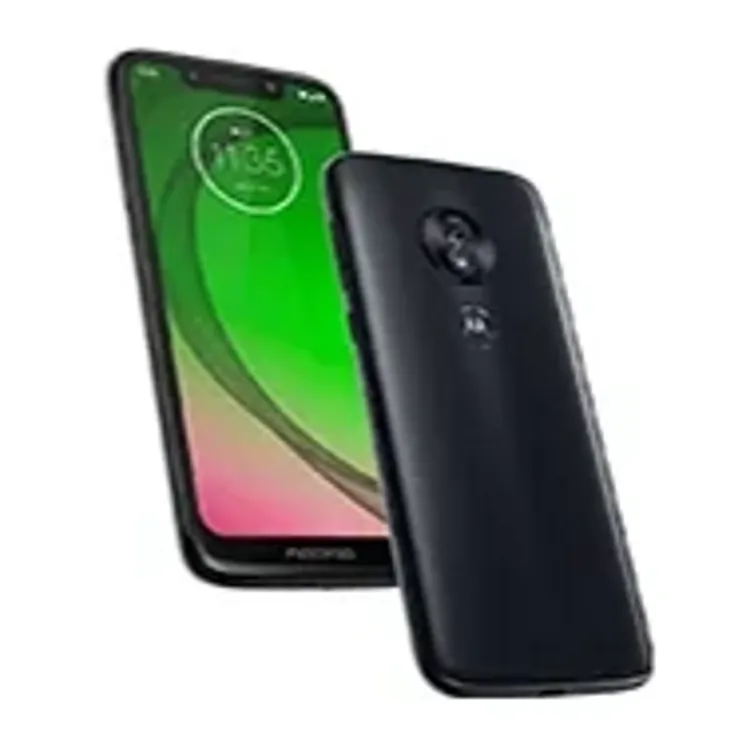
Moto G7 Play by Motorola
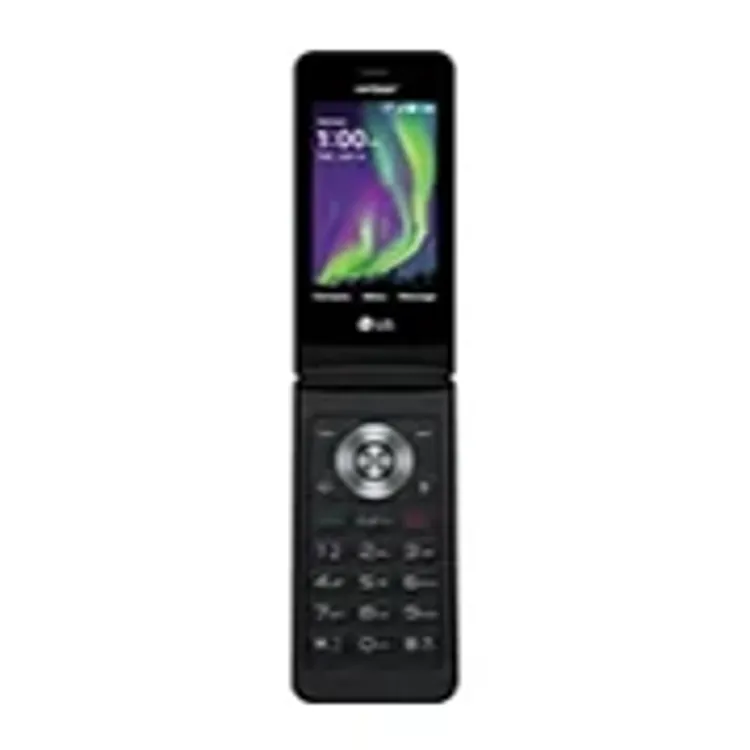
LG Exalt VN220 by Verizon
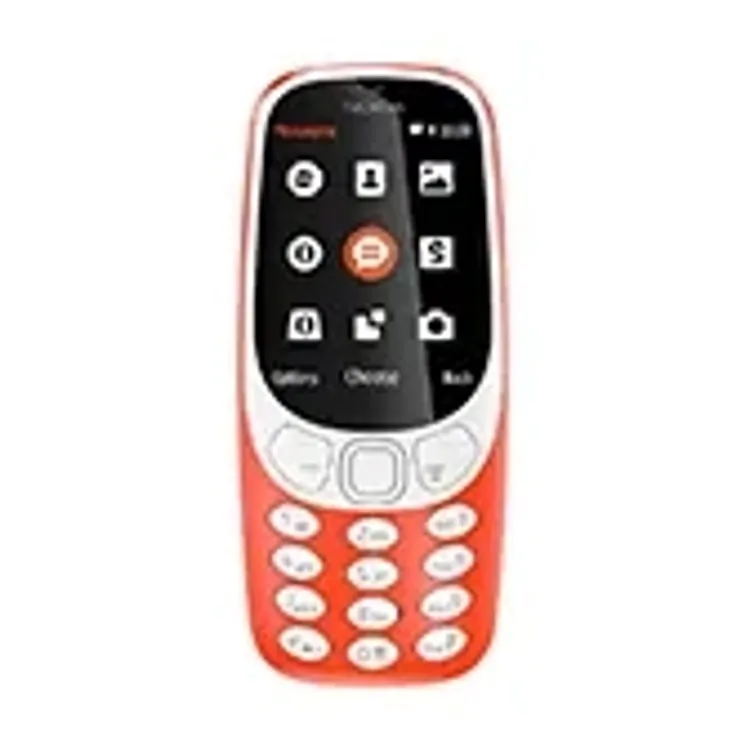
Nokia 3310 by Nokia


Senior cell phone questions
Should I get a basic phone or smartphone?
If you only need to text and call from your phone, a flip phone will do the job. If you can’t imagine living without apps, then it’s better to pay a bit more money for a smartphone with additional functionality. There are also block or slider phones. They typically have a full keyboard separate from the screen and have more functionality than flip phones.
What type of plan should I get?
Popular cell phone plans for seniors include:
- Pay as you go: This type of plan is exactly what it sounds like: instead of signing a contract, you just pay for what you use. These types of plans are easier to cancel than regular plans.
- Flexible: Flexible plans typically have a small base rate to start with. Text and call usage adds to the bill. This works well for seniors who want to have a phone but don’t intend on using it often.
- Unlimited: This type of plan allows seniors to call and text as much as they want. If price isn’t a big issue and you want to have free reign over your cell usage, unlimited plans are the way to go.
- Senior-specific: Several providers have special benefits for seniors. These might include discounts on regular monthly plans or additional senior-specific features like medication reminders or doctor check-in apps.
- Low-cost: Some cell phone companies offer perks to seniors. Seniors on a fixed income and those eligible for government programs can also benefit from low-cost cell phone plans.
What are the pros of having a smartphone?
A smartphone can do far more than a flip phone. The screens are much larger and easier to read, you can use voice capabilities to tell your phone what to do and convenient apps help with fitness tracking and medication reminders.
What are the cons of having a smartphone?
There’s always a learning curve for seniors who have never used a smartphone before. If you get a smartphone that’s overly complex, it can become confusing and tedious to use. Smartphones can also be difficult to set up, and because they are expensive, there is the potential for theft.
Can I test out a phone?
Some phone companies will either let you test out their phones before buying or provide a money-back guarantee for a limited time. It’s great to test a phone to make sure it’s loud enough, the buttons are big enough and the screen is readable.
What’s an “unlocked” phone?
Most phones are “locked,” meaning they are tied to a specific network. Unlocked phones are not tied to any specific network, so you can buy the phone and then choose the network you want.
What’s a “prepaid” phone?
A prepaid phone is a pay-as-you-go phone. You don’t have to subscribe to a monthly plan. Instead, you just pay for what you use.
Should I get a protection plan?
If you have a flip phone, you might not need one, because flip phones are made to be durable. Dropping one in water, though, might destroy it. Protection plans are best for pricier smartphones that will cost a lot to repair.
Should I get a protective case?
Flip phones don’t require protective cases. Smartphones usually do require one, unless the phone is especially durable. Waterproof cases are available.
Bottom line
If you’re a senior looking for the most straightforward cell phone possible, try the Jitterbug Flip. Whatever phone you choose, make sure it has a simple interface, clear display and a long battery life. A durable build is also important to ensure your phone lasts as long as possible. Last of all, make sure the phone has an emergency help button so you can get help when you need it. Having a cell phone requires some adjustment, but it’s worth it being able to connect more with your family and friends.