2022 Mental and Physical Health

Article Image

College students' academic stress may affect their mental health, study finds

Researchers from Rutgers University have explored how stress can affect young people's mental health. Their findings showed that students who have the highest academic-related stress may also have the poorest mental health outcomes. 

“This study shows that college students are not uniformly impacted by academic stress or pandemic-related stress and that certain groups should be offered additional resources and support,” said researcher Xue Ming. 

Academic pressures can be burdensome

For the study, the researchers had nearly 900 college students answer questions from two popular questionnaires – the Short Warwick-Edinburgh Mental Well-Being Scale (SWEMWBS) and the Perception of Academic Stress Scale (PAS). The former included questions about general mental health and wellness, while the latter asked about workload, students’ perception of their academic performance, and their expectations for their academic performance. 

It was clear to the researchers that high academic stress was linked with poorer mental health. The more stressed students were about their academic lives, the more likely they were to struggle with their mental health. 

Three groups stood out as having the highest stress levels: female students, nonbinary students, and second-year college students. The team speculates that second-year students are starting to get serious about their lives outside of college and feel the pressure to finalize their majors, take more difficult classes, and put more on their plates. By comparison, first-year students had the lowest stress levels when it came to both academics and COVID-19. 

To help support students during these stressful times and lower their risk of poor mental health, the team hopes universities around the country do their part to provide resources to their students. 

“Colleges should consider offering tailored mental health resources to these groups to improve students’ stress levels and psychological well-being,” said Ming. “To raise awareness and destigmatize mental health, colleges can distribute confidential validated assessments, such as the PAS and SWEMWBS, in class and teach students to self-score so they can monitor their stress and mental well-being.” 
Article Image

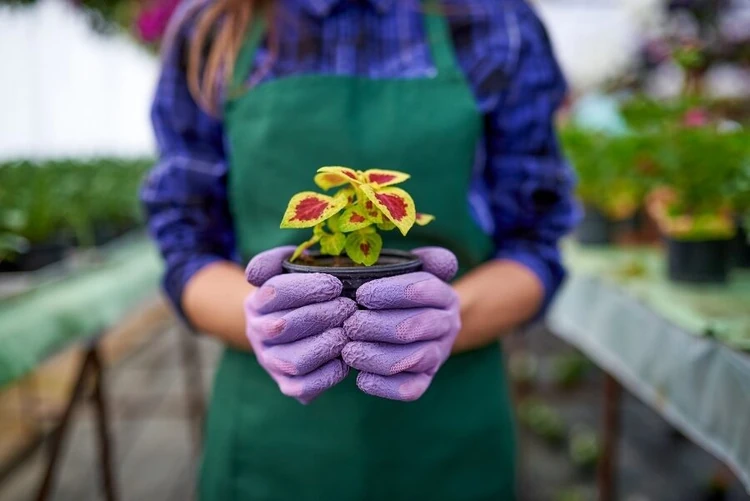
Gardening can help improve consumers' mental health, study finds

Recent studies have highlighted the ways that activities like traveling and cooking can benefit consumers’ mental health. Now, a new study conducted by researchers from the University of Florida may have consumers adding gardening to that list. 

According to the findings, working with plants can help improve overall mental health and wellness – even for beginner gardeners. 

“Past studies have shown that gardening can help improve the mental health of people who have existing medical conditions or challenges,” said researcher Charles Guy. “Our study shows that healthy people can also experience a boost in mental well-being through gardening.” 

Benefits of gardening

For the study, the researchers had 32 women between the ages of 26 and 49 complete different activities for two months. Half of the women went to gardening classes and the other half went to art classes two times per week. When the study began, none of the women were using tobacco or drugs, had chronic health conditions, or were taking medication for anxiety or depression. At the end of the study, the women completed tests that assessed their mental health. 

Ultimately, the women who were gardening throughout the study showed fewer anxiety-related symptoms than the women who took the art classes. While both groups showed similar mental health progress, the team noted that gardeners were less likely to report feeling anxious than those in the art class. All of the study participants reported fewer depression symptoms, lower stress levels, and better overall moods. 

“At the end of the experiment, many of the participants were saying not just how much they enjoyed the sessions, but also how they planned to keep gardening,” said Guy. 

The researchers speculate that there’s a link between humans and plants that may be the cause of this mental health boost. Plants serve as a connection to food and survival. Although this attachment may exist subconsciously in our minds, the team says it can still positively contribute to our mental health.

“Larger-scale studies may reveal more about how gardening is correlated with changes in mental health,” Guy said. “We believe this research shows promise for mental well-being, plants in health care, and in public health. It would be great to see other researchers use our work as a basis for those kinds of studies.” 

Article Image

Taking a break from social media can improve mental health, study finds

A new study conducted by researchers from the University of Bath explored the effect that social media can have on mental health. The team found that consumers are likely to see improvements in their mental health and well-being when they take a step back from these platforms.

“Scrolling social media is so ubiquitous that many of us do it almost without thinking from the moment we wake up to when we close our eyes at night,” said researcher Dr. Jeff Lambert. “We know that social media usage is huge and that there are increasing concerns about its mental health effects, so with this study, we wanted to see whether simply asking people to take a week’s break could yield mental health benefits. 

“Many of our participants reported positive effects from being off social media with improved mood and less anxiety overall. This suggests that even a small break can have an impact.” 

Cutting back social media use can have mental health benefits

The researchers had 154 people between the ages of 18 and 72 who reported using social media every day participate in the study. For one week, the participants were divided into two groups: one group continued their social media use as usual, and the second group was asked to stop using all social media platforms. At the end of the week, the participants reported on their mental health and well-being. 

The researchers learned that participants who took a one-week break from Twitter, Instagram, Facebook, and TikTok experienced improved mental health and wellness. When the study began, the participants reported using these apps for an average of eight hours per week. After analyzing phone stats on screen time and usage at the end of the study, the group that remained on social media spent an average of seven hours on social media apps. The group that was asked to pause their scrolling reportedly spent 21 minutes on social media. 

The study showed that cutting back on the time spent on social media was linked with improvements in anxiety, depression, and well-being. Compared to assessments taken at the start of the study, there was a significant difference in mental health symptoms for those who stayed off of social media for one week. 

The goal now for the team is to build on these findings to better understand how social media breaks can affect mental health long term. For now, they recommend that consumers experiment with spending less time on social media if they are worried about their mental well-being.

“Of course, social media is a part of life and for many people, it’s an indispensable part of who they are and how they interact with others,” Dr. Lambert said. “But if you are spending hours each week scrolling and you feel it is negatively impacting you, it could be worth cutting down on your usage to see if it helps.” 

Article Image

Cooking healthy meals at home can improve consumers' mental health

A new study conducted by researchers from Edith Cowan University explored how home cooking can affect our mental health. According to the findings, cooking healthy meals at home, and feeling confident in the kitchen, can improve consumers’ confidence and life satisfaction. 

“Improving people’s diet quality can be a preventative strategy to halt or slow the rise in poor mental health, obesity, and other metabolic disorders,” said researcher Dr. Joanna Rees.

“Future health programs should continue to prioritize the barriers to healthy eating, such as poor food environments and time restrictions, whilst placing greater emphasis on the value of healthy eating via quick and easy home cooked meals, rich in fruit and vegetables and avoiding ultra-processed convenience foods.” 

Cooking confidence improves mental health 

For the study, the researchers analyzed data from over 650 participants who completed a cooking class at Edith Cowan University between 2016 and 2018. Over the course of the seven-week classes, students learned how to make healthy dishes at home. After seven weeks, a group of researchers assessed the participants’ behaviors with food, their mental health, their confidence in the kitchen, and their satisfaction with cooking. 

The researchers observed notable shifts in the participants’ mental health – even six months after completing the healthy cooking course. Completing the cooking class was linked with improvements in both physical and mental health and overall vitality. 

Participants also reported specific improvements to mental health. They felt better able to adopt healthy eating patterns and had gained more confidence in their cooking abilities. 

This confidence also translated across genders. Before the study began, nearly 75% of female cooking students and 23% of the male students felt confident in their cooking abilities. That gap narrowed considerably by the end of the seven-week period, with both men and women reporting similar levels of confidence in their cooking skills.

“This change in confidence could see change to the household food environment by reducing the gender bias and leading to a gender balance in home cooking,” Rees said. “This in turn may help to overcome some of the barriers presented by not knowing how to cook, such as easing time constraints, which can lead to ready-made meals, which are high in energy but low in nutritional value.” 

The researchers also found that these findings held up regardless of what the participants’ diets looked like after completing the class. Though the courses were focused on healthy eating, participants were left to their own devices once the class was over. 

Article Image

Prunes may help older women prevent bone loss, study finds

For older women, taking preventive measures to maximize bone health can be important to help reduce fractures and improve overall wellness. Now, researchers from Penn State have found that eating prunes can be a good way for postmenopausal women to reduce the risk of bone loss. 

“In postmenopausal women, lower levels of estrogen can trigger a rise of oxidative stress and inflammation, increasing the risk of weakening bones that may lead to fractures,” said researcher Connie Rogers. “Incorporating prunes into the diet may help protect bones by slowing or reversing this process.”  

Diet impacts bone health

To better understand the connection between diet and long-term bone health, the researchers analyzed data from several earlier studies that included trials conducted on both mice and humans. Several of the trials explored how eating different amounts of prunes every day for six to 12 months affected postmenopausal women’s bone health. 

Ultimately, the researchers discovered a positive correlation between prune consumption and improvements in bone health. One of the studies showed that eating five or 10 prunes every day for six months helped lower bone resorption and overall bone density loss. Another study highlighted specific areas of the body that benefited from regularly consuming prunes; the findings showed that eating 10 prunes per day for a year was associated with better bone density in the lower spine and forearm. 

The researchers believe that this relationship between prunes and bone health could be related to the ways that prunes impact the gut microbiome. The biggest change is in inflammation, both in the colon and throughout the body, and the reduction in oxidative stress; both inflammation and oxidative stress are key factors in bone health. 

“Taken together, evidence from in vitro, preclinical studies, and limited clinical studies suggest prunes may help to reduce bone loss,” said Rogers. “This may be due to altered bone turnover and by inhibiting inflammation and suppressing oxidative stress.” 

Moving forward, the researchers hope to do more work in this area to better understand the specifics behind the relationship between prunes and bone health.