2021 Hyundai Recalls and Safety Alerts

Article Image

NHTSA steps up probe of Hyundai and Kia engine fires

The National Highway Traffic Safety Administration (NHTSA) has shifted its investigation into high gear as the agency continues to look into a rash of engine fires plaguing Hyundai and Kia vehicles.

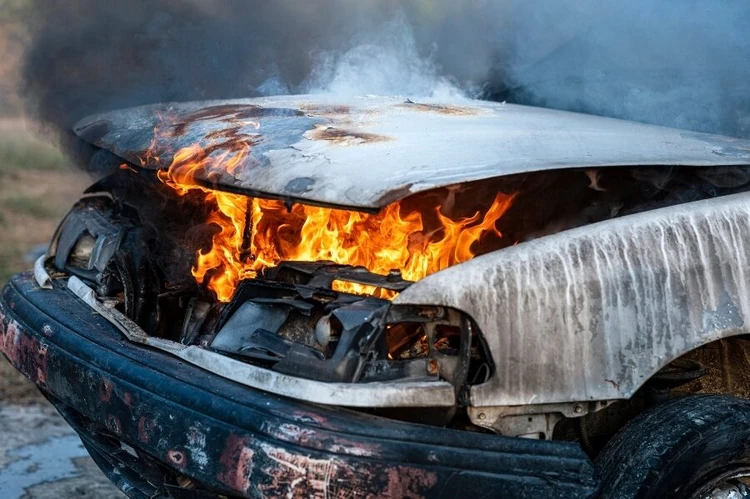
The agency has received 161 reports of engine fires over the last six years. It began a formal investigation in 2019 that covered the 2011-2014 Kia Optima and Sorento and the 2010-2015 Kia Soul, along with the 2011-2014 Hyundai Sonata and Santa Fe. Some owners of these vehicles reported fires that did not involve a crash.

The safety regulators have begun an engineering analysis of about 3 million vehicles, many of which have been subject to recalls. Part of the analysis will determine just how effective the recalls have been, officials said.

What consumers say

Jennifer, of Eagle, Idaho, tells us her 2020 Hyundai Elantra was subject to an engine recall but when she took it to a Hyundai dealer, she was told the recall remedy wouldn’t work and that she needed a new engine.

“I am in disbelief that this car is under a year old and needs a brand new engine,” Jennifer wrote in a ConsumerAffairs review. “That is literally the most insane thing I've ever heard in my life.”

Marlene, of Rayne, La., reported that her 2014 Kia Forte caught fire while it was parked and she was out of town.

“The car was locked and both keys were with me,” Marlene told wrote in a ConsumerAffairs post. “The car set itself on fire.”

Hyundai and Kia both issued statements saying they plan to fully cooperate in the agency’s investigations. The two companies paid $210 million in civil penalties in 2020 after the NHTSA said they were late in recalling 1.6 million vehicles for engine defects.

The automakers began a series of recalls in September 2015, to address different engine problems. NHTSA documents show that the automakers have issued eight more recalls since then to address various engine issues.
Article Image

Hyundai recalls model year 2021 Palisades

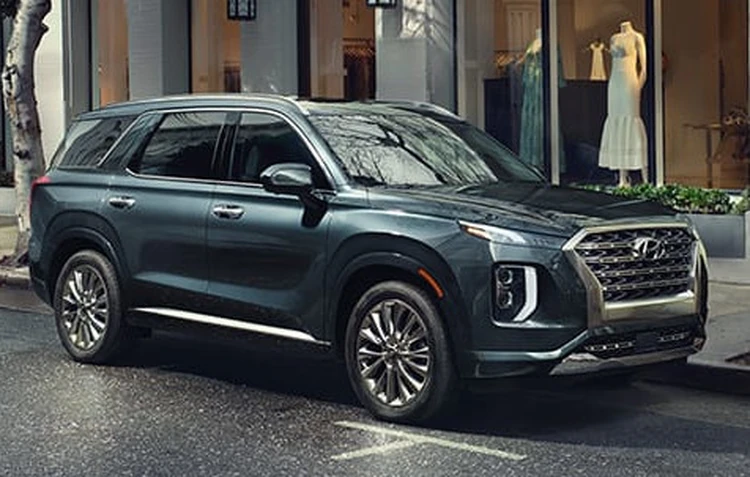
Hyundai Motor America is recalling 995 model year 2021 Palisades.

The brake fluid may be contaminated, which can cause the brake master cylinder inner-cup seals to swell and reduce braking performance.

Reduced braking performance can extend the distance required to stop the vehicle, increasing the risk of a crash.

What to do

Dealers will replace the brake master cylinder and flush the brake fluid free of charge.

Owner notification letters are expected to be mailed on December 22, 2021.

Owners may contact Hyundai customer service at (855) 371-9460. Hyundai's number for this recall is 212.

Article Image

Whistleblower awarded $24 million for providing information about Kia and Hyundai violations

A whistleblower’s efforts in revealing violations of the Safety Act have made them millions richer. In its first ever whistleblower award, the National Highway Traffic Safety Administration (NHTSA) is giving more than $24 million to a whistleblower for providing information to the NHTSA about Hyundai Motor America (Hyundai) and Kia Motors America (Kia).

The award is the maximum percentage allowed by law of the $81 million in cash collected by the federal government. By law, the NHTSA can award a whistleblower who contributes “significant information” regarding an action that ultimately results in penalties of more than a million dollars.

Where Hyundai and Kia went wrong

The NHTSA said it issued consent orders with Hyundai and Kia a year ago based on the agency’s assessment that both companies made two serious mistakes. For one, they conducted untimely recalls on over 1.6 million vehicles that were equipped with Theta II engines. Secondly, they inaccurately reported crucial information to the NHTSA about the nature of serious defects in those engines. 

“Whistleblowers play a crucial role in bringing information to NHTSA about serious safety problems that are hidden from the agency,” said Dr. Steven Cliff, NHTSA’s Deputy Administrator. “This information is critical to public safety and we are committed to rewarding those who bring information to us.”

The issues the NHTSA found weren’t exactly new. Dating back to 2018, one ConsumerAffairs reviewer -- Jody of Waxhaw, N.C. -- wrote about issues with their Hyundai Tucson and its Theta II engine.

“Driving down a street 35 mph, the 2013 Tucson engine made loud sound all the lights came on and car shuddered and would not drive. Moved to side of road and towed to dealership. Theta-ii engine seized. Not repairable,” Jody wrote.

It was at that point that Hyundai made a misstep that was similar to the move that cost them that massive NHTSA fine. 

“Dealership and manufacture[r] refused to help in any way despite known problem. Recalls have been made on this same engine in the Sonata and Santa Fe but not the Tucson. Eventually traded in as cost to replace engine with used engine (no new ones available) was prohibitive,” Jody wrote. “The manufacturer was nonchalant and said they could not help us. We asked about the warranty and they said their warranty is only for original owner. We went to a Hyundai dealership and did not find that information anywhere! Dealership offered to sell us a new Hyundai. Will never buy their products again.”

The NHTSA wants consumers to know they, too, can file complaints

The NHTSA wants any consumer who is experiencing problems with their vehicle to know that whistleblowers are protected by law. The agency doesn’t have to issue a final rule for a whistleblower to receive a reward either. 

The NHTSA says potential whistleblowers can provide information to the agency by emailing NHTSAWhistleblower@dot.gov or by calling the agency’s hotline at 888-327-4236.

Information that the NHTSA welcomes runs the gamut -- from possible vehicle safety defects to noncompliance with the Federal Motor Vehicle Safety Standards and violations of the Vehicle Safety Act.

Article Image

Hyundai recalls nearly 1,000 vehicles with seat belt pretensioners that could explode

Hyundai Motor America is recalling 978 model year 2021 Elantra, Elantra HEV, Venue, and Genesis GV80 vehicles, as well as model year 2022 Genesis GV70 vehicles, because the front driver-side and passenger-side seat belt pretensioners could explode during a crash. 

The automaker said the seat belt pretensioners in affected vehicles were installed from a suspect production lot that contained pyrotechnic-type pretensioners that could deploy during a crash. If this happens, metal fragments could be sprayed into the vehicle occupant compartment and cause injury or even death to drivers or passengers.

In one reported case, a crash involving a Hyundai Elantra caused metal fragments to enter the rear cabin of the vehicle and injured a passenger’s leg. 

What to do

Hyundai is working with dealers to replace the seat belt pretensioners at no cost to vehicle owners. Notification letters are expected to be mailed to owners on December 10, 2021. 

Consumers can contact the National Highway Traffic Safety Administration Vehicle Safety Hotline at 1-888-327-4236 or visit the agency’s website for more information.

Article Image

Hyundai recalls model year 2017 Tucson and Sonata Hybrids over fire risks

Hyundai Motor America is recalling 95,515 model year 2017 Tucson and Sonata Hybrids.

The connecting rod bearings inside the engine may wear prematurely, which can result in engine damage.

A damaged engine can increase the risk of a fire or cause an engine stall, increasing the risk of a crash.

What to do

Dealers will inspect the engine and replace it if bearing damage is found. Dealers will also install a software update containing a new Knock Sensor Detection System (KSDS). Repairs will be performed free of charge.

Owner notification letters are expected to be mailed on November 12, 2021.

Owners may contact Hyundai customer service at (855) 371-9460. Hyundai's number for this recall is 209.

Article Image

Hyundai recalls 466,000 Sonatas, Sonata Hybrids and Sonata Plug-In Hybrids

Hyundai Motor America is recalling 466,109 model year 2015-2017 Sonatas, and model year 2016-2017 Sonata Hybrids & Sonata Plug-In Hybrids.

The Smart Junction Box (SJB) software logic may not properly interpret the signals received from the multifunction switch, which could cause the turn signal to activate in the opposite direction of what the driver intended.

A turn signal that activates in the opposite direction of what was intended increases the risk of a crash.

What to do

Dealers will update the SJB software free of charge.

Owner notification letters are expected to be mailed November 19, 2021.

Owners may contact Hyundai customer service at (855) 371-9460. Hyundai's number for this recall is 210.

Article Image

Hyundai recalls Sonatas, Sonata Hybrids, Accents and Azeras

Hyundai Motor America is recalling 348,158 model year 2017-2018 Sonatas, model year 2016-2018 Sonata Hybrids, model year 2018-2020 Accents and model year 2016-2017 Azeras.

The trunk latch may become damaged, preventing the opening of the trunk from the inside.

A person inside the trunk compartment may become trapped, increasing the risk of injury.

What to do

Dealers will replace the trunk latch assembly free of charge.

Owner notification letters are expected to be mailed October 1, 2021.

Owners may contact Hyundai customer service at (855) 371-9460. Hyundai's number for this recall is 208.

Article Image

Hyundai recalls model year 2021-2022 Santa Fes and Sonatas

Hyundai Motor America is recalling 15,752 model year 2021-2022 Santa Fes and Sonatas with 2.5L turbocharged engines.

Fuel may leak at the pipe connection between the high-pressure fuel pump and fuel rail, increasing the risk of a fire

What to do

Dealers will inspect and tighten, or replace the fuel pipe -- as necessary -- free of charge.

Owner notification letters are expected to be mailed September 6, 2021.

Owners may contact Hyundai customer service at (855) 371-9460. Hyundai's number for this recall is 207.

Article Image

Hyundai recalls Santa Fe SUVs with 2.5-litre Turbo engine

Hyundai Motor America has recalled 2 model year 2021 Santa Fe SUVs with 2.5-litre Turbo engines.

The fuel pipe connecting the high pressure fuel pump to the fuel rail may not have been tightened properly.

An insufficiently tightened fuel pipe may leak fuel, increasing the risk of a fire.

What to do

Dealers inspected and tightened the fuel pipe connection free of charge.

The recalled vehicles have been repaired and therefore no owner notification letters will be sent.

Owners may contact Hyundai customer service at (855) 371-9460. Hyundai's number for this recall is 206.

Article Image

Hyundai recalls model year 2021 Elantras

Hyundai Motor America is recalling 1,464 model year 2021 Elantras.

The driver and front passenger seat back recliners may have been improperly welded.

An improperly welded seat back recliner could separate from the seat back frame during a crash, increasing the risk of injury.

What to do

Dealers will inspect and -- if necessary -- replace the seat back frame assembly free of charge.

Owner notification letters are expected to be mailed June 25, 2021.

Owners may contact Hyundai customer service at (888) 371-9460. Hyundai's number for this recall is 204.

Article Image

Hyundai recalls Genesis G80s and GV80s with 2.5-litre turbo engines

Hyundai Motor America is recalling 147 model year 2021 Genesis G80s and GV80s with 2.5-litre turbo engines.

The fuel tube connecting the high pressure fuel pump to the fuel rail may not seal properly, which could allow fuel to leak.

A fuel leak in the presence of an ignition source can increase the risk of a fire.

What to do

Hyundai will notify owners, and dealers will replace the high pressure fuel tube free of charge.

The recall is expected to begin May 21, 2021.

Owners may contact Hyundai customer service at (855) 371-9460. Hyundai's number for this recall is 008G.

Article Image

Hyundai recalls model year 2021 Santa Fe SUVs

Hyundai Motor America is recalling ten model year 2021 Santa Fe SUVs.

The Occupant Detection System (ODS) module may not deactivate the airbag upon detection of a child restraint system in the front passenger seat.

Deployment of the front passenger airbag with a child in that seat can increase the risk of injury to the child.

What to do

Hyundai will notify owners, and dealers will replace the ODS module free of charge.

The recall is expected to begin May 14, 2021.

Owners may contact Hyundai customer service at (855) 371-9460. Hyundai's number for this recall is 202.

Article Image

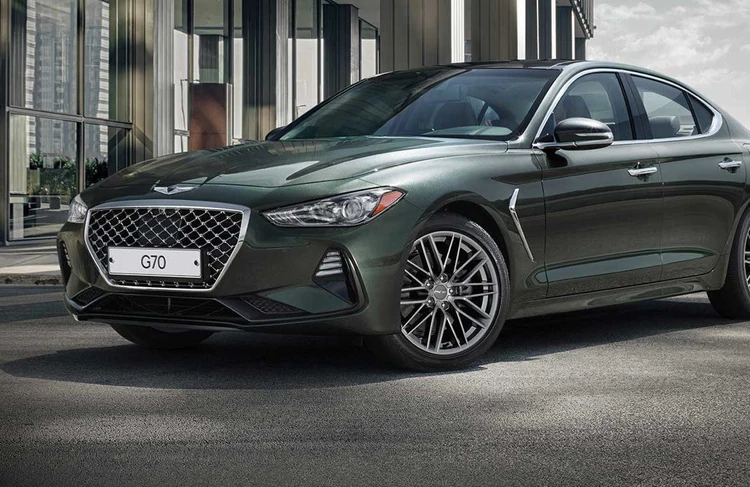
Hyundai recalls model year 2019-2021 Genesis G70s

Hyundai Motor America is recalling 552 model year 2019-2021 Genesis G70s.

The Anti-Lock Brake System (ABS) module could malfunction and short circuit.

An electrical short circuit inside the ABS module could cause an engine compartment fire while parked or driving.

What to do

Hyundai will notify owners, and dealers will replace the ABS module fuse free of charge.

Owners should park outside and away from structures until the remedy is complete.

The recall is expected to begin May 7, 2021.

Owners may contact Hyundai customer service at (855) 371-9460. Hyundai's number for this recall is 007G.

Article Image

Hyundai Genesis and Genesis G80 vehicles recalled

Hyundai Motor America is recalling 94,646 model year 2015-2016 Genesis and model year 2017-2020 Genesis G80 vehicles.

The Anti-Lock Brake System (ABS) module could malfunction and short circuit.

An electrical short circuit inside the ABS module could cause an engine compartment fire while parked or driving.

What to do

Hyundai will notify owners, and dealers will replace the ABS module fuse free of charge.

Owners are advised to park outside and away from structures until the remedy is complete.

The recall is expected to begin May 7, 2021.

Owners my contact Hyundai customer service at (855) 371-9460. Hyundai's numbers for this recall are 201 and 006G.

Article Image

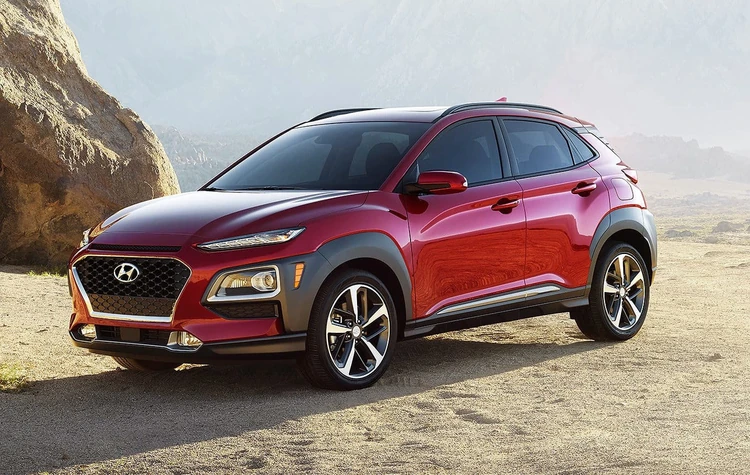
Hyundai recalls Kona and Ioniq electric vehicles

Hyundai Motor America is recalling 4,696 model year 2019-2020 Kona Electric and model year 2020 Ioniq Electric vehicles.

The lithium-ion (Li-ion) battery may short-circuit, increasing the risk of a fire.

What to do

Hyundai will notify owners, and -- as an interim action -- owners have the option to follow provided instructions to perform a battery update through the vehicle's infotainment system or request a Hyundai dealer to provide the update.

Once parts are available, dealers will replace the Battery System Assembly (BSA). Repairs will be performed free of charge.

Owners are advised to park their vehicles outside and away from structures until the interim repair is complete.

The recall is expected to begin April 30, 2021.

Owners may contact Hyundai customer service at (855) 371-9460. Hyundai's number for this recall is 200.

Article Image

Hyundai to replace batteries in Kona EVs following battery-related fires

In the wake of more than a dozen battery-related fires, Hyundai has announced that it will replace the battery systems in around 82,000 Kona EVs. 

The cost of replacing the batteries will come to around $900 million, but the automaker said its focus is on mitigating the fire risk. In total, 15 fires have occurred in connection to the batteries -- 11 in South Korea, two in Canada, one in Finland, and one in Austria. 

"Our priority is to dispel potential risks against customer safety despite the low possibility of fires and high financial burden," Hyundai said in a statement. 

Hyundai’s battery replacement initiative follows its recall of the Kona EV in South Korea and North America. After recalling the vehicles, Hyundai upgraded the Kona’s battery management system to cap charging at 90 percent to prevent overcharging. However, one vehicle that had received the update recently caught fire in South Korea. 

Cause not yet determined

The batteries in question were manufactured by LG Chem, which said it’s continuing to work with Korea's Transport Ministry to determine what is causing the fires. 

According to Reuters, LG Chem said in a statement that Hyundai “misapplied LG’s suggestions for fast-charging logic in the battery management system” and said that adding the battery cell should not be seen as the direct cause of the fire risks. Hyundai hasn’t commented on the cause of the fires.

Until a replacement battery system is installed, Hyundai urges Kona and Ioniq owners to limit battery charging to 90 percent of capacity. 

Article Image

Hyundai recalls 471,000 SUVs due to risk of vehicle fires

Hyundai has expanded its Tucson SUV recall to include an additional 471,000 vehicles. 

In September, the automaker said an electrical malfunction put a significant number of Tucson SUVs at risk of catching fire. Hyundai said Friday that it is expanding its initial recall to include Hyundai Tucson SUVs, model-year 2016 through 2018, as well as some 2020 through 2021 models. 

The company said the vehicles included in the newest recall come equipped with antilock brake system computers that could potentially create a short and start a fire. At least 12 fires have been started due to the problem so far, according to the carmaker. 

Hyundai is urging drivers to park their vehicles outside until the issue is repaired. Towards the end of February, drivers of affected vehicles will be able to take their SUV to a dealer to get a computer fuse replaced. 

Expanded recall

Consumers can find out if their vehicle is included in the latest recall by entering their vehicle identification number on Hyundai’s recalls page. Tucson SUVs with Hyundai’s Smart Cruise control feature aren’t affected by the recall.

Back in September, Hyundai and Kia voluntarily recalled nearly 600,000 cars in the U.S. because of the defect. The automakers said brake fluid could leak inside a hydraulic control unit for the anti-lock brakes, which could cause an electrical short and start a fire. 

The companies have been investigating the issue since 2018. Last year, Hyundai told the National Highway Traffic Safety Administration (NHTSA) that it received 15 reports of engine fires caused by the leak. Kia reported eight incidents. 

Article Image

Hyundai says it’s in early talks with Apple about developing an electric car

Hyundai Motor says it has held discussions with Apple about the possibility of developing an electric car. An unnamed spokesperson for the South Korean automaker confirmed to CNBC that the talks have happened but that they are still in the early stages.

“We understand that Apple is in discussion with a variety of global automakers, including Hyundai Motor. As the discussion is at its early stage, nothing has been decided,” the spokesperson said. 

The announcement followed a Korea Economic Daily report that said Apple was the one that suggested that Hyundai team up with it to develop a car, as well as batteries. The report said Hyundai was still looking over the terms but that the car could potentially be released in 2027. 

An Apple electric car? 

Rumors about an Apple car have been swirling since the tech giant created an internal group called Project Titan in 2014. Last month, Reuters reported that the Project Titan self-driving electric car effort could produce a vehicle with a battery that features a “breakthrough” design by 2024. 

”It’s next level,” a person with knowledge of Apple’s battery technology told Reuters in December. “Like the first time you saw the iPhone.”

Speculation about a Hyundai-Apple electric car collaboration sent Hyundai shares up 19 percent. The automaker later released a statement without mention of Apple. Hyundai emphasized the fact that nothing has been decided. 

“We’ve been receiving requests of potential cooperation from diverse companies regarding development of autonomous driving EVs, but no decisions have been made as discussions are in early stage,” the company said.