2017 Home Repair and Maintenance

Article Image

Five household chores to tackle before fall arrives

With chilly weather just around the corner, now is the perfect time to perform a little seasonal home maintenance. Making sure your home is ready to handle fall weather can help you save time and money by staving off the need for costly emergency repairs later.

To stay one step ahead of any issues that may be lurking on the horizon, experts recommend checking heating units and other household systems to make sure they are in good working order before cooler weather hits.

Fall checklist

Here are a few tasks to take care of now in order to ensure your home is up to the task of keeping you warm and comfortable in the months to come:

  • Prepare your heating unit. Have a professional look at your heating system before it gets cold. This can help keep heating costs down, ensure your warranty remains viable, and prolong the life of your equipment. By having your heating system tuned up annually, you can make sure all the parts of your heating unit are functioning efficiently. You’ll also be able to stay ahead of any problems that could become expensive issues down the line.
  • Clean furnace filters. Dirty furnace filters can hamper airflow and increase energy demand. To make sure your furnace stays in good condition, be sure to check filters once a month and replace or clean as needed.
  • Reverse ceiling fan blades. During the summer, ceiling fans help circulate cool air -- but summer isn’t the only time fans can be of use. Ceiling fans that come with a switch that reverses the direction of the blades can make the room warmer and cut heating costs by as much as 10 percent.
  • Service your HVAC. After a long summer of tirelessly working to keep your family cool, your AC’s coils could probably use a good cleaning. This video can help you learn how to safely clean the condenser coil. Once clean and dry, cover the AC unit to shield it from potentially damaging debris and ice.
  • Clean your humidifier. To keep dry winter air from adversely affecting your health, take steps to ensure your central humidifier is in good shape. If the plates or pads look to be in need of cleaning, do so by using vinegar or a strong laundry detergent. Rinse and scrape off mineral deposits with a wire brush or steel wool.
Article Image

What to do now to prepare your home for winter

There’s still a little time left to enjoy warm summer days, but cooler weather is right around the corner. To make sure your home is ready for winter, home improvement experts suggest staying one step ahead of Old Man Winter.

By taking care of outdoor home maintenance projects now, you’ll save yourself from having to brave the cold to tackle them later. In its blog, QuickenLoans runs down a few ways to get a head start on prepping your home for the winter months.

Here are a few home maintenance tasks to consider adding to your end-of-summer to-do list.

Clean and protect your roof

Check your roof for loose shingles and repair any that need fixing. If you find more than a handful of loose shingles, this may indicate a bigger issue. Consider getting a professional opinion.

While you’ve still got the ladder out, clean your gutters to clear out any debris that may have been created by summer rainfall and thunderstorms. To keep your roof from being pummeled by a heavy branch when it’s already covered in snow, remove any overhanging branches.

Seal gaps

Make sure the heat in your home will stay inside -- and small rodents will stay outside -- by sealing up cracks in the foundation or near windows.

To further ensure heat stays where you want it to during the winter months, have a professional come by to inspect your furnace in late August or early September.

“It may seem a tad too early, but you’re better off checking it off your in late summer than having something go wrong in the middle of January,” writes Anthony Fontana on Quicken Loans’ Zing blog. “Taking care of a small furnace problem up front can also save you money in the long run, instead of letting it snowball into a much more expensive issue.”

Clean your deck

Your deck has probably hosted its share of cookouts and stood up to the elements for many months, so it may be in need of a little TLC.

Instead of hitting it with a power washer or other high-pressure water outlet, which could potentially be damaging, Fontana suggests opting for a garden hose, soft brush and deck cleaner.

Additionally, either remove, cover, or store outdoor furniture and grills to protect them from harsh winter weather. Clear the soil out of pots and planters to keep them from cracking in the cold, and disconnect garden hoses that aren’t likely to be used during the winter.

Inspect your chimney

Chimneys should be cleaned a minimum of twice a year, experts say. Homeowners should be sure to remove soot and creosote buildup, which is extremely flammable.

Have your chimney inspected by a professional once a year, since a professional will be more adept at spotting and repairing structural damage.

Article Image

Spring cleaning outdoors – tips for waking up your garden

After a long winter spent cooped up indoors, you might find yourself champing at the bit to get outside. The last thing you may want to do on a sunny spring day is spend all day inside dusting, decluttering, and deep cleaning.

So, why not take the concept of spring cleaning outdoors?

Early spring is an ideal time to take care of many lawn and garden chores. Now is the time to assess your lawn, provide basic lawn maintenance, and prepare your garden beds for new plants.

By addressing outdoor gardening chores now, you’ll save yourself a lot of work later in the season. Here are a few outdoor gardening tasks to consider doing now, while the weather is still mild.

Revive your lawn

A healthy, green lawn looks great and boosts a home’s curb appeal -- but your lawn may not be so green after having been steeped in snow, decaying leaves, and winter debris all season.

To wake up a winter-weary lawn, rake it anywhere that it has yellowed to remove the dead area and prepare for reseeding. Then, aerate your lawn to allow its root system to receive sufficient air, water, and nutrients from the fertilizer.

Even out tall, gangly grass by giving it a mow. Make sure to fill your lawn mower with gas and oil, check the carburetor, and sharpen the blade using a metal file if necessary.

Prune trees and shrubs

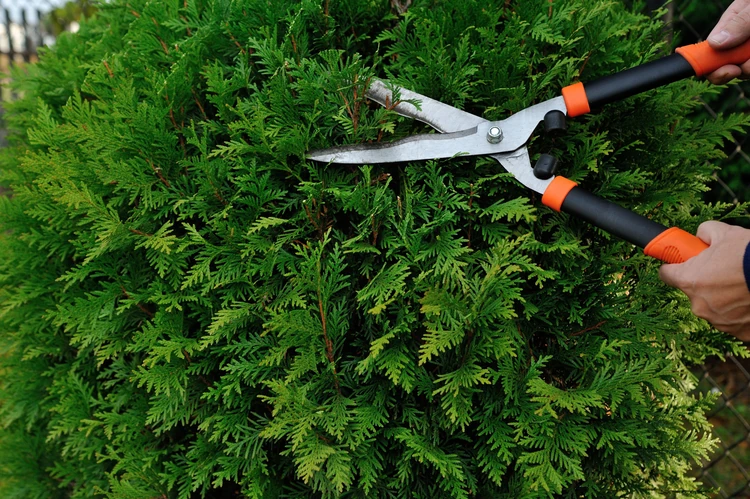
Spring flowering shrubs -- such as lilacs, forsythia, and rhododendrons -- should be pruned in late spring, right after they finish blooming. Decorative grasses should also be cut back this time of year.

Prune roses before leaf buds appear and trees before their buds begin to open. Additionally, remove all burlap or tree guards you might have put in place to protect your trees in the winter months. In warmer weather, tree guards stop air flow to the trunk and promote bark rot.

Prep your soil

Tilling allows nutrients to make their way to new plants. But make sure conditions are right before tilling or working flower beds -- digging in wet conditions can damage the structure of the soil.

To see if your soil is ready for tilling, ball up a small handful of soil and drop it on the pavement. If it retains its shape, it’s too wet.

Once your garden is tilled, you can begin replanting perennials and enhancing your flower beds. Be sure to lay out where your plants will go first in order to see if they will have enough space and get enough sunlight.