2021 High Blood Pressure

Article Image

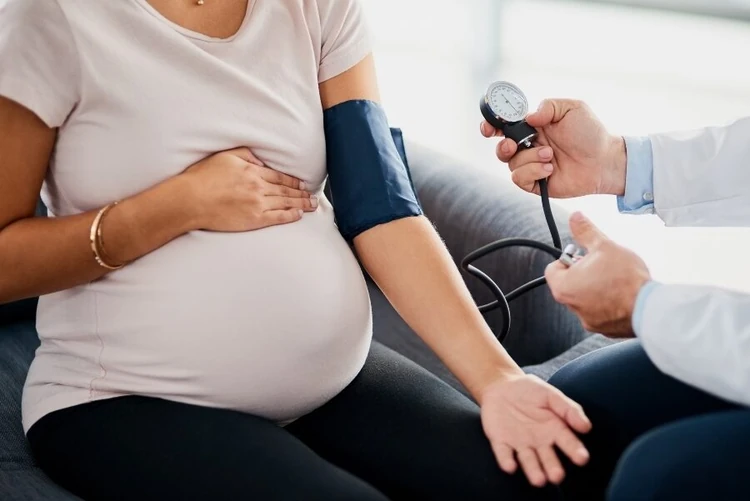
High blood pressure treatments are safe for pregnant women, study finds

A new study conducted by researchers from the American Heart Association explored the safety of blood pressure treatments for pregnant women. According to their findings, these treatments not only help maintain healthy blood pressure levels, but they can also improve pregnancy and delivery outcomes.

“For decades, the benefits of blood pressure treatment for pregnant women were unclear,” said researcher Dr. Vesna D. Garovic. “And there were concerns about fetal well-being from exposure to antihypertensive medications. 

“Through our comprehensive review of the existing literature, it is reassuring to see emerging evidence that treating high blood pressure during pregnancy is safe and effective and may be beneficial at lower thresholds than previously thought. Now, we have the current statement focused on hypertension during pregnancy to help inform optimal treatment and future research.” 

Keeping mothers and babies healthy

The researchers analyzed several earlier studies that evaluated the safety of different blood pressure treatments for pregnant women. Previous findings suggested that some treatments could compromise fetuses’ health, but the researchers noted that addressing hypertension is also important for mothers’ long-term health.

Ultimately, their work showed that blood pressure treatments – such as prescription medications and lifestyle habits like consistent exercise and healthy diets – are important for the health of mothers beyond their pregnancies. The team found that engaging in these habits both before and during pregnancy is key to keeping blood pressure in a healthy range. Pregnant women who exercised were 30% less likely to develop high blood pressure and 40% less likely to develop preeclampsia. 

Left untreated, high blood pressure can increase the likelihood of health risks for both mothers and infants, including low infant birth weight and preterm delivery. The researchers said when women have high blood pressure at the time of delivery, they have a higher risk of heart health complications down the road.

Moving forward, the researchers hope more work is done to better understand women’s heart health before, during, and after pregnancy. 

“Future clinical trials are needed to address questions about when to begin treatment for high blood pressure during pregnancy,” said Dr. Garovic. “Also, close collaboration between the American Heart Association and American College of Obstetricians and Gynecologists will be instrumental in optimizing diagnosis and treatment of hypertension during pregnancy and in improving immediate and long-term outcomes for many women who develop hypertension during pregnancy.” 
Article Image

Arterial stiffness increases young adults’ risk for obesity and high blood pressure, study finds

A new study conducted by researchers from the University of Eastern Finland explored potential risk factors for cardiovascular disease in young adulthood. Their study showed that adolescents with arterial stiffness were more likely to develop hypertension and obesity by the time they reached young adulthood. 

For the study, the researchers tracked more than 3,800 17 year-olds enrolled in the Avon Longitudinal Study of Parents and Children for seven years. They measured the participants’ arterial stiffness at the start of the study and then tracked their health outcomes over nearly a decade. 

The researchers learned that arterial stiffness at the start of the study was linked with a higher risk of high blood pressure and obesity seven years later. Diastolic blood pressure doubled as a result of arterial stiffness, while systolic blood pressure went up by 20% over the course of the study. Arterial stiffness was also linked with a 20% increase in overall obesity by the time the participants were 24.  

Measuring arterial stiffness could help predict health problems

The study also showed that higher arterial stiffness was linked to poorer health outcomes among participants. Compared to those with high arterial stiffness, those with mild artery stiffness experienced half as big of a change to their blood pressure. 

While diet and exercise remain important components of long-term heart health, the researchers also hope these findings emphasize the benefits associated with monitoring children’s arterial stiffness. 

“...Our novel findings are significant clinically and for population health, in that future hypertension and obesity prevention and treatment strategies may now consider reducing arterial stiffness, particularly from adolescence,” said researcher Andrew Agbaje. 

Article Image

Higher levels of stress hormones may increase the risk of high blood pressure, study finds

A new study conducted by the American Heart Association explored how consumers’ hormone levels may affect their heart health. 

According to the study's findings, elevated levels of stress hormones may increase the long-term risk of high blood pressure and cardiovascular disease. 

“Previous research focused on the relationship between stress hormone levels and hypertension or cardiovascular events in patients with existing hypertension,” said researcher Dr. Kosuke Inoue. “However, studies looking at adults without hypertension were lacking. It is important to examine the impact of stress on adults in the general population because it provides new information about whether routine measurement of stress hormones needs to be considered to prevent hypertension and CVD events.” 

Managing stress levels

For the study, the researchers analyzed data from more than 6,000 participants enrolled in the Multi-Ethnic Study of Atherosclerosis (MESA). Over the course of three months, the team tracked the participants’ stress hormones -- norepinephrine, epinephrine, dopamine, and cortisol -- through urine samples. The team followed up with medical exams for several years to better understand how the participants’ stress hormones impacted their heart health long term. 

Ultimately, the researchers learned that elevated stress hormone levels can have long-term effects on consumers’ heart health. 

The biggest health risks occurred as hormone levels doubled. Each doubling of cortisol increased the risk of cardiovascular events -- like heart attack and stroke -- by 90%, whereas each time all four stress hormones doubled, the risk of high blood pressure increased as much as 31%. 

“The stress hormones norepinephrine, epinephrine, dopamine, and cortisol can increase with stress from life events, work, relationships, finances, and more,” said Dr. Inoue. “And we confirmed that stress is a key factor contributing to the risk of hypertension and cardiovascular events.” 

Moving forward, the researchers hope that these findings lead to more consumers receiving the proper testing and prevention measures to identify those who may be at the highest risk of high blood pressure and heart disease. 

“The next key research question is whether and in which populations increased testing of stress hormones could be helpful,” said Dr. Inoue. “Currently, these hormones are measured only when hypertension with an underlying cause or other related diseases are suspected. However, if additional screening could help prevent hypertension and cardiovascular events, we may want to measure these hormone levels more frequently.”

Article Image

One short breathing exercise may help lower blood pressure, study finds

A new study conducted by researchers from the University of Colorado at Boulder explored a new technique that may help consumers lower their blood pressure. 

According to their findings, a five-minute breathing exercise known as High-Resistance Inspiratory Muscle Strength Training (IMST), which requires consumers to breathe through a device that provides resistance, can lower blood pressure and benefit heart health.

“There are a lot of lifestyle strategies that we know can help maintain cardiovascular health as they age,” said researcher Daniel Craighead. “But the reality is, they take a lot of time and effort and can be expensive and hard for some people to access. IMST can be done in five minutes in your own home while you watch TV.” 

Blood pressure benefits

For the study, the researchers had 36 adults with high systolic blood pressure between the ages of 50 and 79 involved in the study. Over the course of six weeks, half of the group performed IMST regularly and the other half used a placebo breathing device. The researchers monitored the participants’ blood pressure to track any changes. 

The team learned that using the IMST device six days a week for 30 inhalations per day was associated with lower systolic blood pressure readings -- even six weeks after the participants stopped using it. Ultimately, the systolic reading dropped by as much as 9 points, which the researchers explained can be significant in terms of consumers’ long-term health. 

The findings were also positive because those who used the IMST device were consistent with the treatments 95% of the time. This is important because staying on top of the breathing exercise can yield the best health outcomes for consumers. 

“We have identified a novel form of therapy that lowers blood pressure without giving people pharmacological compounds and with much higher adherence than aerobic exercise,” said researcher Doug Seals. “That’s noteworthy.” 

The researchers believe that IMST can help relax the blood vessels, which is what ultimately helps lower blood pressure. Moving forward, the team hopes to make IMST devices more widely available to consumers. 

“It’s easy to do, it doesn’t take long, and we think it has a lot of potential to help a lot of people,” said Craighead. 

Article Image

Air pollution may increase the risk of kids having high blood pressure, study finds

Several studies have analyzed the ways that air pollution can pose a threat to children’s physical health, mental health, and brain development. 

Now, a new study conducted by researchers from the American Heart Association has found another way that air pollution can be damaging to children’s short- and long-term health. According to their findings, exposure to air pollution may increase the risk of kids developing high blood pressure both during childhood and adulthood. 

“Our analysis is the first to closely examine previous research to assess both the quality and magnitude of the associations between air pollution and blood pressure values among children and adolescents,” said researcher Dr. Yao Lu. “The findings provide evidence of a positive association between short- and long-term exposure to certain environmental air pollutants and blood pressure in children and adolescents.” 

Monitoring blood pressure

To understand the impact that air pollution can have on kids’ blood pressure, the researchers analyzed 14 earlier studies that included data on more than 350,000 children between the ages of five and 13. They focused on exposure to pollutants such as nitrogen dioxide and both coarse and fine particulate matter (PM2.5). The team also analyzed the length of time that children were exposed to the various pollutants and what role they played in their health outcomes. 

Ultimately, the researchers learned that any kind of exposure to air pollution was associated with an increased risk of high blood pressure in kids. Systolic blood pressure readings were impacted by long-term exposure to all three pollutants and short-term exposure to coarse particulate matter (PM10). On the other hand, the diastolic reading increased most often when there was long-term exposure to both fine and coarse particulate matter. 

The researchers explained that more work needs to be done in this area to better understand how different kinds of pollutants can impact kids’ heart health and blood pressure. However, these findings highlight the ways that many young people are already being affected by short- and long-term exposure to air pollution. Moving forward, the researchers hope these findings lead to changes in air pollution regulations.

“To reduce the impact of environmental pollution on blood pressure in children and adolescents, efforts should be made to reduce their exposure to environmental pollutants,” Dr. Lu said. “Additionally, it is also very important to routinely measure blood pressure in children and adolescents, which can help us identify individuals with elevated blood pressure early.” 

Article Image

Severe gum disease may increase the risk of high blood pressure, study finds

A new study conducted by researchers from the American Heart Association discovered a unique association between dental hygiene and blood pressure.

Their findings showed that consumers with severe gum disease (periodontitis) may have an increased risk of developing high blood pressure. The team hopes these findings encourage consumers to pay closer attention to their dental habits because they could have long-term impacts on heart health. 

“Patients with gum disease often present with elevated blood pressure, especially when there is active gingival inflammation, or bleeding of the gums,” said researcher Eva Muñoz Aguilera, DDS. “Elevated blood pressure is usually asymptomatic, and many individuals may be unaware that they are at an increased risk of cardiovascular complications. We aimed to investigate the association between severe periodontitis and high blood pressure in healthy adults without a confirmed diagnosis of hypertension.” 

The link between oral health and heart health

To understand how dental hygiene can affect blood pressure, the researchers evaluated results from past studies that included data on 250 adults with severe gum disease and 250 adults with healthy gums. Over the course of nearly two decades, the participants gave blood samples, had their blood pressure measured, and underwent dental exams to assess the severity of their gum disease. 

Though none of the participants had any health issues when the study began, the researchers noted a clear correlation between those who had severe gum disease and poorer heart health. Participants with active gum inflammation and severe gum disease were more likely to have high blood pressure, which the researchers defined as having 50 percent or more of the teeth infected. 

Ultimately, severe periodontitis made participants two times more likely to have high blood pressure. Bad dental health was also linked with lower good cholesterol levels, higher glucose levels, and higher bad cholesterol levels. Overall, gum disease -- because of the inflammation it causes -- can significantly impact consumers’ heart health. 

“This evidence indicates that periodontal bacteria cause damage to the gums and also triggers inflammatory responses that can impact the development of systemic diseases including hypertension,” said researcher Francesca D’Aiuto, DMD. “This would mean that the link between gum disease and elevated blood pressure occurs well before a patient develops high blood pressure. Our study also confirms that a worryingly high number of individuals are unaware of a possible diagnosis of hypertension.” 

The researchers say it’s important for dentists and primary care physicians to identify risk factors and recommend patients for further testing and observation. Consumers can do their part by practicing healthy dental habits.

“Oral health strategies such as brushing teeth twice daily are proven to be very effective in managing and preventing the most common oral conditions, and our study’s results indicate they can also be a powerful and affordable tool to help prevent hypertension,” Dr. D’Aiuto said. 

Article Image

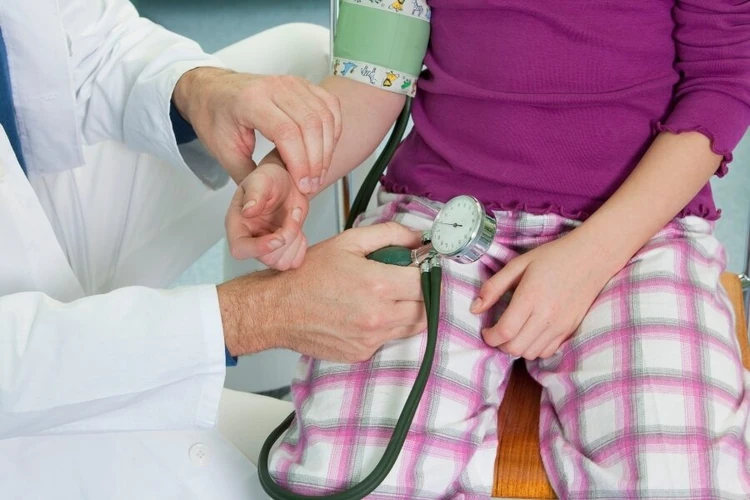
Kids' blood pressure should be taken in both arms for most accurate readings

A new study conducted by researchers from Murdoch Children’s Research Institute explored some of the best practices and risks related to taking kids’ blood pressure readings.

According to the team, it’s important for health care professionals to measure kids’ blood pressure in both arms to get the best accuracy. 

They explained that just taking the reading on one arm can misdiagnose kids’ risk of having high blood pressure; however, after reading both arms, doctors can make a clearer assessment of kids’ health. 

“Misdiagnosis could occur when the blood pressure difference is greater than about 5 mmHg, but one in seven healthy children had a difference greater than 10 mmHg, which could lead to a failure to identify stage one or two hypertension,” said researcher Melanie Clarke. 

“Given blood pressure measured in a child’s right and left arm are often different, it’s important to take measurements in both arms to make a correct diagnosis,” she said. “Accurate blood pressure assessment in kids is critical for identifying the potential risk for damage to the heart and blood vessels, which can lead to early-onset cardiovascular disease.” 

Making a correct diagnosis

The researchers had 118 kids between the ages of seven and 18 participate in the study. The team measured the participants’ blood pressure in both arms, analyzed the differences in the readings, and then focused on the significance behind those differences. 

The study showed that 25 percent of the kids involved in the study with no previous heart conditions showed a significant difference in their blood pressure readings between their two arms. This is important because if a doctor only measures one arm, they’re not getting the complete picture. Kids who have high blood pressure, or who are at risk of having high blood pressure, could be missed because if doctors don’t get all the data that’s available to them.

“There are good clinical reasons for measuring blood pressure in both arms in children and adolescents in the evaluation of hypertension and this study provides clear support for this approach,” said researcher Gary Jennings. 

The researchers also learned that the difference in readings was even more common in kids who had a history with heart concerns. This makes it all the more necessary for doctors to check both of kids’ arms to ensure that they’re delivering the most accurate course of treatment. Having high blood pressure during childhood can often lead to high blood pressure in adulthood, so it’s important for parents, kids, and their doctors to know the risks.

“We know high blood pressure is common in adults but many people don’t realize how common it is in kids too,” said Mynard. “More work needs to be done to draw attention to the problem of childhood hypertension and its long-term consequences.” 

Article Image

Women with high blood pressure symptoms are often mistreated for menopause, study finds

A new study conducted by researchers from the European Society of Cardiology has found that many women may be receiving the wrong diagnosis for high blood pressure. According to their findings, roughly half of all women who present with high blood pressure symptoms are instead given treatment for menopause, which ultimately puts women at an increased risk for severe heart health issues. 

“High blood pressure is called hypertension for men, but in women it is often mistakenly labeled as ‘stress’ or ‘menopausal symptoms,’” said researcher Angela Maas. “We know that blood pressure is treated less well in women compared to men, putting them at risk for atrial fibrillation, heart failure, and stroke -- which could have been avoided.” 

Identifying women at risk

The researchers set out to provide resources for consumers and health care professionals on how to best identify and treat women who could be at the highest risk of high blood pressure in mid- or later-life. They explained that this starts with the understanding that men and women show different symptoms for the same condition, and it’s important to treat each patient on a case-by-case basis. 

“A woman’s life provides clues that you need to start early with prevention,” said Maas. “We have to assess female patients differently to men, and not just ask about high cholesterol. This will enable us to classify middle-aged women as high-risk or lower risk for cardiovascular disease.” 

In thinking about how to identify women at the highest risk of developing high blood pressure, the researchers recommend that health care professionals focus on women’s medical histories. Conditions that affect hormone levels throughout life can indicate whether or not women are at an increased risk of developing high blood pressure. Early menopause, high blood pressure during pregnancy (preeclampsia), and conditions like polycystic ovary syndrome (PCOS) are some of the biggest risk factors associated with high blood pressure for women. 

“There are several phases of life when we can identify subgroups of high-risk women,” said Maas. “High blood pressure during pregnancy is a warning sign that hypertension may develop when a woman enters menopause and it is associated with dementia many decades later. If blood pressure is not addressed when women are in their 40s or 50s, they will have problems in their 70s when hypertension is more difficult to treat.”

Adopt healthy habits

For women at risk of developing high blood pressure in later life, the researchers recommend that healthy habits -- like following a healthy diet and adopting a regular exercise routine -- can make a significant difference. However, it’s also important for women and their doctors to look at the complete picture of their health history and work together to create the best course of treatment. 

“Women can help their doctors prevent heart problems and make earlier diagnoses by mentioning issues like complicated pregnancies and early menopause and monitoring their own blood pressure,” Maas said.