2022 Fitness and Exercise

Article Image

Consistency may be more important for workouts than duration of exercise, study finds

A new study conducted by researchers from Edith Cowan University is shedding light on an important exercise topic. Their findings showed that consumers who consistently exercise for shorter periods of time may reap more health benefits than consumers who do longer workouts less frequently. 

“If you’re just going to the gym once a week, it’s not as effective as doing a little bit of exercise every day at home,” said researcher Ken Nosaka. “This research, together with our previous study, suggests the importance of accumulating a small amount of exercise a week, then just spending hours exercising once a week. 

Getting consistent with exercise

The researchers had 36 young adults involved in the study. They were broken up into three groups to do different variations of bicep curls. One group did just six muscle contractions one day a week, a second group did six muscle contractions five times per week, and the third group did 30 muscle contractions one day per week. When they did the exercise, the participants were hooked up to a machine that measures muscle strength and thickness. 

The participants who did six muscle contractions five days a week ultimately had the greatest health outcomes. The researchers found that these participants increased their muscle strength by 10% and their muscle thickness by about 6%. Participants who did all 30 muscle contractions in one day improved their muscle thickness by just under 6%, but their muscle strength stayed the same. The group who did six muscle contractions once a week showed no improvements in muscle strength or thickness. 

“People think they have to do a lengthy session of resistance training in the gym, but that’s not the case,” Nosaka said. “Just lowering a heavy dumbbell slowly once or six times a day is enough. We only used the bicep curl exercise in this study, but we believe this would be the case for other muscles also, at least to some extent.” 

Though these findings highlight the importance of consumers being consistent with their workouts, the researchers also explained that taking rest days can be just as important. 

“Muscle adaptations occur when we are resting; if someone was able to somehow train 24 hours a day, there would actually be no improvement at all,” Nosaka said. “Muscles need to rest to improve their strength and their muscle mass, but muscles appear to be stimulated more frequently. 

“If someone’s sick and can’t exercise for a week, that’s fine, but it is better to just return to regular exercise routine when you’re feeling better.” 

Article Image

Exercising at least 2.5 hours per week lowers risk of death, study finds

A new study conducted by researchers from the American Heart Association highlighted the benefits of exercising regularly. Their findings showed that consumers who exceeded national recommendations for weekly exercise goals had a lower risk of death. 

“The potential impact of physical activity on health is great, yet it remains unclear whether engaging in high levels of prolonged, vigorous, or moderate intensity physical activity above the recommended levels provides any additional benefits or harmful effects on cardiovascular health,” said researcher Dong Hoon Lee.

“Our study leveraged repeated measures of self-reported physical activity over decades to examine the association between long-term physical activity during middle- and late-adulthood and mortality.” 

Lifelong benefits of exercise

The researchers analyzed data from over 100,000 people enrolled in the Nurses’ Health Study and the Health Professionals Follow-up Study between 1988 and 2018. The participants answered surveys about their lifestyles every two years. The questions covered subjects like alcohol intake, medical history, general health information, and exercise habits. 

Current guidelines from the U.S. Department of Health and Human Services recommend that adults engage in 2.5 to five hours per week of moderate activity or 75-100 minutes per week of vigorous physical activity. Those who met the recommendations for either vigorous or moderate activity had a 20% lower risk of death. 

The study findings showed that surpassing weekly exercise recommendations was linked with living a longer life. Doing two to four times the amount of moderate exercise each week was linked with a nearly 40% lower risk of cardiovascular disease-related deaths and a 30% lower risk of death from all causes. Similarly, doubling or quadrupling the amount of vigorous exercise each week lowered the risk of cardiovascular disease-related deaths by nearly 35%, and all-cause deaths dropped by 23%. 

“This finding may reduce the concerns around the potential harmful effect of engaging in high levels of physical activity observed in several previous studies,” said Lee. 

The researchers hope these findings highlight the benefits of consistent exercise. When consumers make physical activity a habit and work to balance moderate and vigorous activity goals each week, they’re likely to achieve better health outcomes. 

“Our study provides evidence to guide individuals to choose the right amount and intensity of physical activity over their lifetime to maintain their overall health,” Lee said. “Our findings support the current national physical activity guidelines and further suggest that the maximum benefits may be achieved by performing medium to high levels of either moderate or vigorous activity or a combination.” 

Article Image

Fitness trackers may motivate consumers to get physically active, study finds

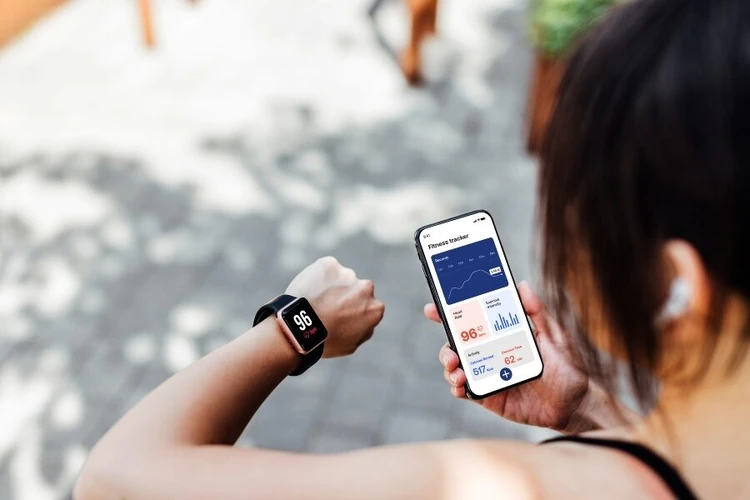
Many consumers are interested in improving their physical fitness, and a new study conducted by researchers from the University of South Australia has made a case for the benefits of wearable fitness trackers. Their findings showed that the devices are effective at boosting consumers’ physical activity by increasing daily walking by as much as 40 minutes. 

“The overall results from the studies we reviewed show that wearable activity trackers are effective across all age groups and for long periods of time,” said researcher Ty Ferguson. “They encourage people to exercise on a regular basis, to make it part of their routine and to set goals to lose weight.” 

Improving physical fitness 

The researchers analyzed data from nearly 400 studies that included information on 164,000 people. All of the studies included data on wearable activity trackers (WATs) and how they affected the study participants’ activity habits. 

Ultimately, the researchers learned that the devices were effective at promoting more physical activity. When wearing a fitness tracker, participants were likely to walk around 40 more minutes per day. 

The researchers found that this boost in physical activity was also linked with weight loss. In five months, the extra walking was linked with an average weight loss of 1 kg, or 0.5 lbs. Though this number may seem small, the team explained that it can actually be meaningful long-term. 

“The average person gains about 0.5 kg a year in weight creep, so losing 1 kg over five months is significant,” Ferguson said. 

The researchers explained that the benefits of WATs may also go beyond physical activity and weight loss. Their work showed that the devices can allow consumers to improve symptoms related to anxiety and depression, as well as lower their cholesterol and blood pressure.

Article Image

Sitting for long periods of time may increase the risk of early death, heart disease

A new study conducted by researchers at Simon Fraser University explored some of the health risks associated with too much sedentary time. According to their findings, consumers who spend extended hours sitting down may be at a higher risk of premature death and heart disease. 

“The overarching message here is to minimize how much you sit,” said researcher Scott Lear. “If you must sit, getting in more exercise during other times of the day will offset that risk.” 

Risks of too much sitting

For the study, the researchers analyzed data from more than 105,000 participants from nearly two dozen countries. Participants answered questions about their daily habits, including time spent exercising versus time spent sitting, and the researchers followed up with them for over 11 years (on average). 

The study showed that sitting for longer periods of time was associated with poorer health outcomes. Participants who spent six to eight hours each day sitting down were 13% more likely to develop heart disease or experience premature death. For those who surpassed the eight-hour mark, the health and longevity risk skyrocketed to 20%. 

It’s also interesting to note that exercising seemed to minimize the health risks associated with sitting. Health risks were as high as 50% for those who spent the most amount of time sitting and were the least physically active; however, sitting for long periods of time coupled with high levels of exercise lowered the health risks to under 20%. 

“For those sitting more than four hours a day, replacing a half hour of sitting with exercise reduced the risk by 2%,” said Lear. “With only one in four Canadians meeting the activity guidelines, there’s a real opportunity here for people to increase their activity and reduce their chances of early death and heart disease.” 

Moving forward, the researchers hope people start adopting healthier habits and cutting back on how much time they spend sitting down. 

“Our study found that a combination of sitting and inactivity accounted for 8.8% of all deaths, which is close to the contribution of smoking,” said Lear. “It’s a global problem that has a remarkably similar fix. Scheduling time to get out of that chair is a great start.” 

Article Image

Following a healthy lifestyle lowers risk of gestational diabetes, study finds

A new study conducted by researchers from the University of Helsinki suggests that adopting certain healthy lifestyle habits can lower the risk of gestational diabetes. The findings showed that this was especially true for those who have the highest genetic risk for the condition. 

For the study, the researchers analyzed data from over 500 women who were enrolled in the Finnish Gestational Diabetes Prevention Study (RADIEL). The participants received dietary and exercise counseling during pregnancy and in the first year after delivery. 

Based on the genes that are known to increase the risk of gestational diabetes, the team gave each participant a polygenic risk score (PRS) to assess their risk of developing diabetes. Those who had high sugar levels during pregnancy and after delivery were considered to have high risk scores. 

The researchers learned that adopting a healthy lifestyle -- including following a healthy diet and exercising -- during and after pregnancy was linked with a lower risk of gestational diabetes. For women with the highest risk scores for gestational diabetes, these lifestyle interventions were particularly beneficial. 

Moving forward, the team hopes these findings can work to identify women who may have the highest risk of developing gestational diabetes. Knowing who is the most genetically predisposed to gestational diabetes can help target women who would benefit the most from changing their lifestyles during pregnancy and beyond. 

“At the same time, it’s important to realize that, in the case of diabetes, our genetic background does not determine our future,” said researcher Emilia Huvinen, a specialist in obstetrics and gynecology. “With the help of a healthy lifestyle, you can reverse the effect of a high genetic diabetes risk.” 

Article Image

Active video games can lead to health benefits, study finds

While many consumers know that exercise is an important part of a long, healthy life, working out isn’t always fun. However, a new study conducted by researchers from the University of Georgia suggests that there are healthy alternatives that consumers can try out.

The team looked at exergaming – or active video gaming – and found that it could promote long-term health benefits by helping participants feel more in control of their workouts. These types of games include virtual reality games and games that require physical movement to play.

“When an individual feels autonomous, they’re more likely to exercise or exergame on their own,” said researcher Sami Yli-Piipari. “They feel ownership over what they are doing, and they’re doing it for themselves, so it’s more likely they will keep up the activity.” 

Active video games can benefit health

The researchers had 55 people who didn’t regularly exercise participate in the study. They were divided into two groups: one group participated in traditional aerobics classes three times a week while the other group played exergames three times a week for six weeks. The team tracked the participants’ satisfaction and motivation with their workouts, as well as physical activity and exertion during exercise. 

Although the participants in the aerobics classes worked out harder overall, the study showed that the participants who played exergames had more fun while working out. The researchers say that's an important point because enjoying a workout is likely to encourage consumers to keep up with it in the future. 

“I see exergaming and technology-enhanced exercise as a stepping stone,” Yli-Piipari said. “It’s the first step in the right direction, especially for people who are not involved in any kind of exercise.

Helping introduce kids to exercise

The researchers believe exergaming could be a good way for parents to get their kids up and moving while also playing video games. Rather than sitting down and gaming, getting games like Just Dance, EA Sports Active, or Zumba Fitness World Party can help consumers of all ages stay active and moving. 

While following a traditional physical activity routine can be difficult, the team hopes these findings offer an alternative perspective that could keep consumers interested in working out. 

“We forget sometimes that it’s really hard for inactive people to take that first step,” Yli-Piipari said. “These games may be able to address that problem.” 

Article Image

Lifelong exercise may lower the risk of muscle mass loss in older age, study finds

Several studies have highlighted the longevity benefits associated with regular exercise, and now a new study conducted by researchers from the Physiological Society explored other health benefits linked with long-term physical activity. 

According to the findings, consumers who exercised for most of their lives experienced significant improvements to their muscle health. The team found that they were less likely to lose muscle mass and muscle function, and their bodies produced more muscle stem cells; all of these factors are beneficial to long-term muscle regeneration and preventing nerve decay. 

“This is the first study in humans to find that lifelong exercise at a recreational level could delay some detrimental effects of aging,” said researcher Casper Soendenbroe. “Using muscle tissue biopsies, we’ve found positive effects of exercise on the general aging population.” 

Slowing down the aging process

To understand the effect of lifelong exercise, the researchers divided 46 male participants into three groups: elderly sedentary, young sedentary, and elderly lifelong exercise. The researchers analyzed muscle biopsies and blood samples from each of the participants and also had them complete a muscle function test. 

The study showed that those who had exercised for their whole lives had greater muscle health than those who had sedentary lifestyles. Participants who engaged in consistent recreational exercise were less likely to lose muscle mass and muscle function, and they were less likely to experience muscle fatigue. 

The researchers also learned that lifelong exercise helped produce more muscle stem cells, which are important to overall muscle health – especially as consumers age. With more stem cells, the muscles are able to continue growing in older age and are better able to fight off degeneration. Over time, this can also lower the risk of nerve decay. 

It’s important to note that there was no specific kind of exercise that was most successful at boosting participants’ muscle health. Any kind of physical activity proved to be beneficial at slowing the muscular aging process. 

The team hopes these findings encourage consumers to stick with an exercise plan, as there are important long-term benefits to staying active. 

“The single most important message from this study is that even a little exercise seems to go a long way, when it comes to protecting against the age-related decline in muscle function,” Soendenbroe said. “This is an encouraging finding which can hopefully spur more people to engage in an activity that they enjoy. We still have much to learn about the mechanisms and interactions between nerves and muscles and how these change as we age. Our research takes us one step closer.” 

Article Image

New study explains why exercise is more difficult after not doing it for a while

Exercising regularly can help guarantee a longer life, but consumers can often fall off the wagon and go through stages of being more sedentary. When they try to get back into their exercise routines, it can sometimes be a lot harder to get back into shape. 

A new study conducted by researchers from the University of Leeds explored why exercise feels harder after you haven't done it in a while. Their findings showed that a protein that's important to blood flow, Piezo1, is deactivated when we stop exercising regularly. The researchers say compromised blood flow can make trying to get back into exercise more strenuous.

“Exercise protects against cardiovascular disease, diabetes, depression, and cancer,” said researcher Fiona Bartoli. “Unfortunately, many people fail to exercise enough, for reasons such as injury and computer usage. This puts people at more risk of disease. The less people exercise, the less fit they become, often leading to a downward spiral. 

“Although many responses to exercise are known, how the benefits of exercise are initially triggered at a molecular level is mysterious. Our study highlights the crucial link between physical activity and physical performance made at this level by Piezo1. Keeping our Piezo1s active by exercising may be crucial in our physical performance and health.”  

Consistency is key with physical activity

The researchers conducted their study on mice to better understand how the body responds to lapses in physical activity. Over the course of 10 weeks, one group of mice was left to exercise as they normally would while another group had their Piezo1 levels disrupted. 

The researchers explained that the Piezo1 protein acts as a sensor for blood flow and moves blood to the muscles. When the protein was deactivated in some of the mice, the researchers observed important differences in their physical activity and overall health outcomes. 

The mice in the experimental group weren’t running as fast, and they weren’t able to make as many complete trips around an activity wheel. This group wasn’t less willing to exercise, but their bodies weren’t as capable of performing as well.

These findings emphasize the importance of the Piezo1 protein in exercise and why consistency is so important. Less exercise weakens the production of the Piezo1 protein, which ultimately limits blood flow to the muscles. This makes the body feel weaker and makes exercise feel more difficult. 

“Our work sheds light on how Piezo1’s role in blood vessels is connected to physical activity,” said researcher David Beech. “A lot was already known about its role in blood vessel development, but far less was known about its contribution to vessel maintenance in adults. 

“Our discovery also provides an opportunity to think about how loss of muscle function could be treated in new ways: if we activate Piezo1, it might help to maintain exercise capability." 

Article Image

Exercise may help relieve dry eye symptoms, study finds

While recent studies have found that exercise may benefit everything from lifespan to brain function, a new study explored another benefit of regular physical activity. According to researchers from the University of Waterloo, exercise may also help consumers who struggle with dry, itchy eyes.   

“With so much of our activity tied to screen usage, dry eye symptoms are becoming increasingly common,” said researcher Heinz Otchere. “Instead of having to use eye drops or other alternative treatments, our study aimed to determine if remaining physically active can be an effective preventative measure against dryness.” 

Relieving dry, itchy issues

For the study, the researchers divided 52 participants into athletes and nonathletes. Participants in the athlete group exercised five times per week; nonathletes were required to exercise just once per week. The participants underwent eye exams both before and after each exercise session. 

The researchers explained that consumers are most likely to experience dry and itchy eyes when their tear film isn’t protecting the eye as it should. The tear film is a thin protective layer that’s made up of oil, water, and mucin, and it ensures that the eye remains healthy. However, if any component of the tear film is compromised, it can cause irritation, dryness, and itchiness. In this study, the team wanted to observe any changes to the tear film before or after exercise. 

Their findings showed that physical activity improved the participants' tear film stability and overall tear quality. Because the participants in the athlete group were exercising more frequently, they experienced more consistent and significant eye health benefits. However, any level of physical activity proved to be beneficial in relieving dry eye discomfort. 

“It can be challenging for people to regularly exercise when the demand is there to work increasingly longer hours in front of screens,” Otchere said. “However, our findings show physical activity can be really important for not just our overall well-being, but for ocular health too.” 

Article Image

Daily exercise boosts brain function in older and middle-aged consumers, study finds

Exercise has been found to benefit consumers’ well-being as they age, and a new study conducted by researchers from the University of California at San Diego explored the brain benefits of regular exercise. According to their findings, exercising daily was associated with a boost in brain function for middle-aged and older consumers. 

“It was a very linear relationship,” said researcher Raeanne Moore, Ph.D. “We hypothesized that we would find this, but we couldn’t be sure because we weren’t telling people to increase their physical activity. They just did what they do every day.” 

Staying active has brain benefits

The researchers had 90 middle-aged adults participate in the two-week study. The group wore accelerometers to track their physical activity over the course of the study, and they also completed ecological momentary cognitive tests (EMCTs) twice daily on a smartphone app to assess their brain function. 

The researchers learned that there was a clear link between physical activity and improved brain function. The participants performed far better on the cognitive assessments on days that they exercised when compared to days when they didn't exercise. These results held up for the participants regardless of other health complications, age, or ethnicity.  

Moving forward, the researchers plan to see how these findings hold up long-term.  

“We don’t know yet if there’s a cumulative, long-term effect to these small daily fluctuations in cognition,” said researcher Zvinka Zlatar, Ph.D. “That’s something we plan to study next – to see if performing physical activity at different intensities over time, in unsupervised settings, can produce long-term improvements in brain health and sustained behavior change.” 

Article Image

Physical activity may help improve asthma symptoms, study finds

Among the several different treatments currently available for asthma, findings from a new study point to the benefits associated with adopting an exercise routine. According to researchers from East Anglia University, regular physical activity may help improve asthma sufferers’ symptoms and their overall quality of life. 

“Doing more than 150 minutes a week of moderate to vigorous physical activity has extensive benefits including improved lung function and asthma control,” said researcher Andrew Wilson. “But research has shown that people living with asthma engage in less physical activity and are more sedentary than people without asthma. 

“We wanted to find whether interventions – such as being asked to perform aerobic exercise a few times a week in group sessions, together with ‘goal setting’ – are effective in helping people with asthma be more active.” 

Health benefits of physical activity

To understand how regular exercise can help asthma sufferers, the researchers analyzed over two dozen studies that included data on nearly 2,000 asthmatic participants over the age of 18. All of the studies explored how different behavior-change techniques affected sedentary behavior, physical activity, quality of life, and asthma symptoms. 

The study showed that efforts designed to encourage the participants to be more active were effective. Not only was the group more active and less sedentary, but they also had better health outcomes and improved quality of life. 

While all of the studies that were analyzed were organized differently, the researchers identified some commonalities among the methods used to promote physical activity. The participants were asked to engage in either aerobic or strength and resistance training for 30-60 minutes per day a few times per week; some workouts were done individually and others were done in group settings.

There were several different behavior change techniques that were used across these studies to encourage physical activity. These included action planning, goal setting, instructions, demonstrations, and behavioral practice/rehearsal. Ultimately, all of these interventions proved to be successful at getting the participants to exercise regularly. 

“This is really important because helping patients make significant behavior changes could really improve their outcomes in the long term,” said researcher Leanne Tyson. 

Keeping up with consistent exercise

While these findings are positive because they emphasize how exercise can benefit asthmatic consumers, the researchers hope that future work focuses on two important pieces of information. For starters, this study showed that many of the participants didn’t keep up with their exercise habits. To ensure that consumers reap more long-term health benefits, the researchers recommend further studies explore how to maintain this changed behavior. 

Additionally, they hope to understand how digital interventions, such as mobile apps or virtual exercise classes, would be effective at helping consumers stay active while at home. 

“Our review also highlights the potential use of digital interventions, which were notably absent,” Tyson said. “This is important now more than ever as patients have not been able to attend face-to-face support during the COVID-19 pandemic, and services will likely become overwhelmed. Therefore, alternative interventions and methods of delivery need to be considered.”