

Underlying causes of AC unit noise
Loud noises from your AC system can stem from many different problems, but understanding some of the causes behind common HVAC equipment noises can help you determine the underlying issue and your estimated repair costs. Below are some of the problems that can lead to those unwanted sounds.
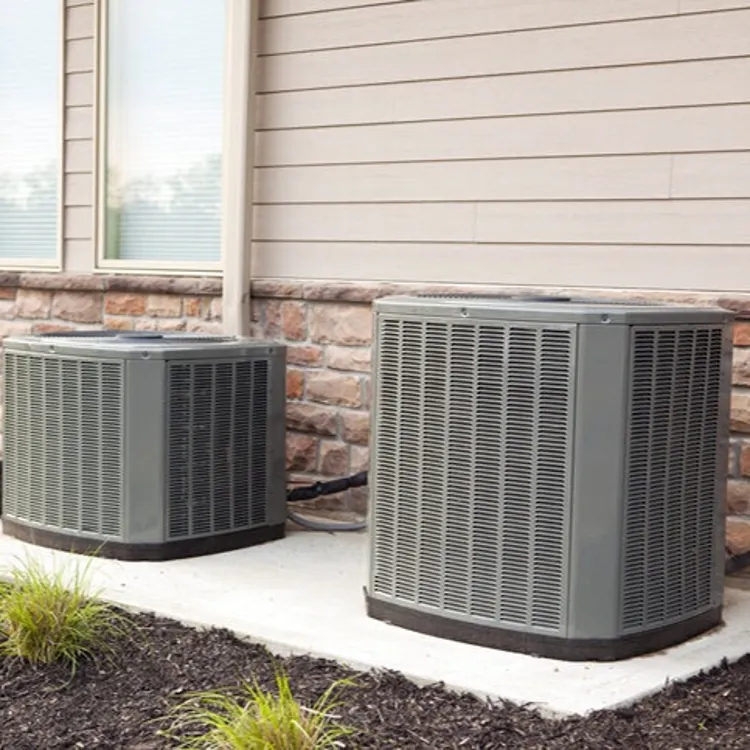
- Debris around your condenser: Leaves, sticks, rocks and other debris can get caught in your condenser fan and cause clicking or rattling during operation. You may also notice a minor humming noise from other components as your system struggles to keep up with demand despite the added restriction.
- Dirty air filters: Dirty air filters restrict airflow through your system, which means your blower motor and condenser have to work harder than normal to meet your cooling demands. You may notice buzzing or humming as a result.
- Dirty condenser coils: Dirty condenser coils make your system work harder than it needs to to cool your home. You may hear minor buzzing or humming during operation as a result.
- Electrical issues: Electrical issues, including corrosion around connections, can create imbalances in amperage, leading to buzzing sounds. You may also notice clicking noises when your system isn’t active, which suggests that a relay is trying to start your system but keeps failing.
- Compressor problems: Internal compressor parts that are loose or broken can create banging or knocking noises and suggest that a major repair is necessary, especially when starting up. Humming from your compressor can also indicate that it’s struggling to keep up with demand, which could result from a myriad of other issues. Compressor issues are often some of the most expensive HVAC repair projects.
- Fan motor failures: Worn bearings, imbalances or a lack of proper lubrication on your HVAC system’s motor fans can create a light clicking noise or even screeching or squealing if the fan belt is the culprit.
- Refrigerant leaks: Bubbling and hissing noises almost always suggest an issue with your refrigerant lines, which usually demands a repair and a refrigerant refill. When the gas escapes, it can hiss as it passes through a small break, or it can bubble if the exterior of your condenser line has moisture on it.
- Age-related component wear: Any of your system’s internal components can fail and cause the noises listed above. Grinding and squealing are more likely related to motor failures, while rattling and clanking can stem from motor imbalances and component breakdown, and buzzing is most often from internal electrical parts.
Types of AC unit noises to listen for
AC units have a lot of moving parts, and the specific sounds you hear during operation can give you some insight into which component is failing.
- Buzzing or humming: A high-pitched buzzing noise usually suggests an issue with electrical components, especially if it continues even when your unit isn’t operating. A lower-pitched humming could either be electrical in nature or stem from vibrations caused by moving parts or loose mechanical connections.
- Rattling or clanking: Rattling or clanking sounds usually result from loose or broken components that vibrate during operation. This could suggest problems with mechanical connections or broken moving parts.
- Screeching, squealing or grinding: Screeching or squealing sounds most often come from motor belts that aren’t seated or aren’t lubricated properly. Grinding noises are more likely from the gears that drive those belts, which could suggest motor imbalances or damaged motor components.
- Hissing or bubbling: Hissing or bubbling, particularly from your outdoor unit, suggests that you have a refrigerant leak. These noises are less common during normal operation unless there’s moisture on the coils, in which case your system could be entering defrost mode.
- Banging or knocking: Banging or knocking noises are a clear indication of an issue with your compressor or one of the fans. Some noise during operation is normal, but if you notice the sounds become louder or more frequent, call in an HVAC tech for help.
- Clicking: Clicking noises during operation usually result from damaged fans or minor issues with motors. Clicking sounds before your system starts up more often suggest problems with electrical components.
Your best course of action when you notice an unusual noise from your HVAC system is to figure out where it’s coming from, assess the severity and call a technician in for an inspection of your heating and cooling system. Here are some general guidelines for determining the severity:
- Sudden noises: Noises that pop up suddenly tend to indicate more severe issues than those that slowly worsen over time. For a sudden change in operating noise, call in a technician for an HVAC inspection right away.
- Rapid changes in intensity: Minor sounds that have occurred since before your last inspection usually aren’t a big deal, but consider calling in a pro for another assessment if they suddenly get louder or more frequent.
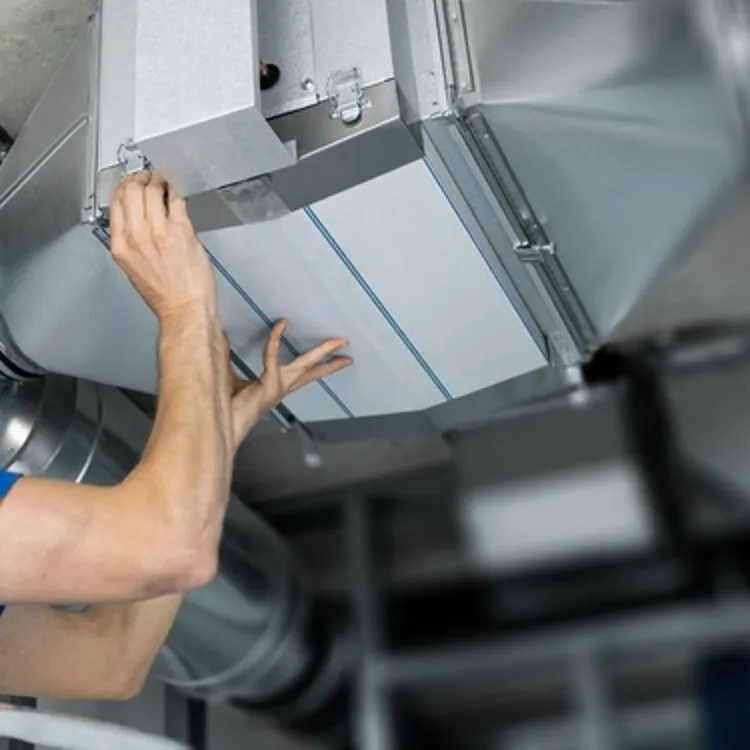
- Indoor vs. outdoor unit: Listen to both your indoor units and your outdoor unit to see where the noise is coming from. Issues with your outdoor condenser tend to be more expensive than problems inside, which often stem from your air handler.
AC unit making loud noise at startup
All AC systems will make some noise when they initially turn on, but you may notice louder or more apparent sounds than usual that could indicate a more severe issue.
- Hard start noises: When your compressor turns on, you should hear a brief hum for a second or two, followed by the unit activating. If you hear prolonged humming, or the hum starts and then ends with a click before starting again, you should call in a pro and explain what’s happening. It’s most likely an issue with electrical components or your compressor, which could lead to overheating and permanent damage.
- Pressure equalization in refrigerant lines: You might notice a slight hissing or bubbling noise from your system as the refrigerant equalizes before or after a cooling cycle. The noise should stop within 30 seconds of your condenser shutting off or turning on. If it doesn’t, you might have a refrigerant leak.
- Banging from the compressor: Your compressor is mostly silent during normal operation, even when turning on, so even minor banging before it activates can suggest a much bigger problem. It usually means physical components are loose or hitting into each other, which can lead to prolonged wear and tear.
- Electrical issues: You should hear a single click before your system turns on to cool your living space. Repeated clicking that eventually results in system activation suggests you have a problem with electrical components.
- Fan blade imbalances: Imbalanced fan motors will rattle during operation and can also cause clicking if the blades are close enough to some other component. Leaving this issue untreated could result in your equipment overheating and, ultimately, failing.
- Expansion valve problems: The expansion valve in your system is responsible for maintaining good pressure throughout your refrigerant lines. If yours is faulty, you might notice internal hissing noises that persist even after your system is up and running. This could suggest an issue with refrigerant levels, too, especially if you recently had a professional assess the efficiency of your home’s heating and cooling systems.
AC unit loud noise: What to do
If you notice that your AC unit is making unexpected or unusual noises, you should call a technician right away for an inspection. You can follow the steps below to mitigate damage in the meantime and get the best repair possible:
- Identify if the noise is inside or outside: Try to determine if the noise is coming from your exterior condenser or the interior air handler. Head outside and see if the noise is louder than it was inside near your indoor unit.
- Try to determine the underlying issue: Use the guide above to try to pinpoint what component might be failing in your system. This can help you determine what the underlying cause is and decide how to move forward.
- Consider shutting down your system: If the issue is severe and seems to be stemming from your compressor, coils or refrigerant lines, consider shutting your AC down until you can get a technician on site. This can help reduce the extent of the damage.
- Check simple fixes first: If you don’t think the noise is related to a major component, try simple fixes first, like replacing air filters, trimming debris away from your condenser or tightening rattling panels on your exterior unit. In some cases, these can solve a minor issue and stop the noise.
- Call in a certified HVAC technician: In all cases, even if you think your issue is minor and especially if you believe the problem is related to electrical or refrigerant lines, it’s best to call in an HVAC technician for an HVAC inspection. HVAC repairs tend to get more expensive as they progress, so having a professional in as soon as possible can mitigate damage and reduce the risk of a total breakdown.
FAQ
What is the 3-minute rule for air conditioners?
The 3-minute rule for air conditioners suggests that you should wait at least three minutes after shutting off your AC before you turn it back on. Cycling the compressor too quickly, even if you’re running your own diagnostic tests, can cause damage and overheating, which can leave you with more severe problems than you started with.
How much does it cost to fix a noisy AC unit?
The cost to fix a noisy AC unit can range from under $100 if your issue is a loose panel, clogged air filters or debris on your condenser coils, up to $2,500 or more if the noise is a result of a damaged AC condenser.
Can a dirty filter cause an AC to make noise?
Dirty AC filters can put added pressure on your blower motor and condenser, which can result in some unwanted noise, including humming and buzzing. If you leave the issue untreated, it could eventually result in clicking, rattling or banging, as more components will break down from the added wear and tear and contribute to operational noise.
Why does my AC make noise when it shuts off?
One common issue resulting in noise when your AC shuts off is loose fan blades, which can click or create a minor banging noise as they wind down. Thumping noises as your system shuts off could suggest an issue with your compressor, which could result from loose mounting brackets or internal motor damage that requires a full replacement. For fixes or to assess any other noises, call a professional HVAC technician for an inspection.
Article sources
ConsumerAffairs writers primarily rely on government data, industry experts and original research from other reputable publications to inform their work. Specific sources for this article include:
- United States Department of Energy, "Common Air Conditioner Problems." Accessed April 28, 2026.
- City of New York, "Noise from Air Conditioner or Ventilation Equipment." Accessed April 28, 2026.
- ENERGY STAR, "Maintenance Checklist." Accessed April 28, 2026.