


Home warranty benefits for homeowners
The biggest upsides to home warranty coverage are peace of mind and potential savings if something goes wrong in your home. Most plans cover some subset of major home systems and appliances, which often includes the following:
- Electrical system and fixtures
- Plumbing system and fixtures
- HVAC system
- Water heater
- Stove/oven
- Refrigerator
- Dishwasher
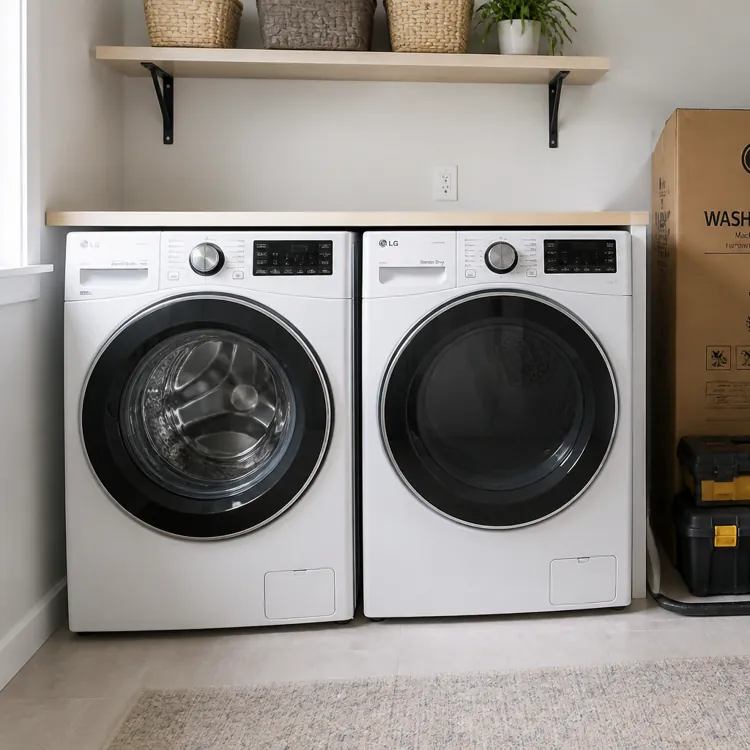
- Washer and dryer
Some plans include much more coverage, and many offer customization options.
If a covered system or appliance breaks down from normal wear and tear, your home warranty company will send a technician to assess the damage and repair or replace the item. You’ll pay a service fee, which usually ranges from $75 to $125, but your home warranty provider should cover a much larger portion of the cost.
Not only can a home warranty work to insulate you from repair and replacement costs and provide some peace of mind, but you also get the convenience of having access to your provider’s network of technicians and certified professionals. That means you don’t have to research companies, vet them, verify their experience or even contact them for service.
Service fees are usually between $75 and $125.
Home warranties can be worth it because they allow you to avoid surprise out-of-pocket costs for repairs. You’ll pay a monthly or annual fee to keep your home warranty coverage in place, but you always know what that plan will cost. Even service fees are predictable, so you can budget more accurately for home maintenance.
In short, benefits that could help you decide if a home warranty is right for you include:
- Easier budgeting for home maintenance
- Single point of contact for repairs/replacements
- Access to pre-vetted contractor network
- Peace of mind
- Coverage for older systems close to breakdown
- Potential incentive for buyers if you sell your home
- Protection from post-closing repair costs if you purchase a home
Home warranty benefits vs. homeowners insurance
While home warranties and homeowners insurance both protect you from expensive out-of-pocket costs, they offer protection in different ways and for different items.
Home warranties cover individual components in your home, like systems and appliances, while insurance is designed for your home as a whole. Home warranties usually have much lower coverage caps per covered item and in total, and they use service fees rather than deductibles.
Home warranties kick in if you experience damage from normal wear and tear, and they almost always exclude damages that insurance and other warranties cover. Homeowners insurance covers issues related to unavoidable issues such as hurricanes and fires.
Neither is a legal requirement, although mortgage lenders almost always mandate homeowners insurance to protect their collateral. Home warranties are always optional, but they can provide more inclusive protection alongside homeowners insurance and fill coverage gaps to make sure your entire home (including the systems and appliances that keep it running) is protected.
Here’s a quick breakdown of how home warranties and homeowners insurance differ.
| Home warranty | Homeowners insurance | |
|---|---|---|
| Required? | No | Usually by mortgage lenders |
| Covered items | Appliances and home systems | Structural components, including foundation and roof |
| Triggering events | Normal wear and tear | Natural disasters and sudden, accidental damage |
| Typical cost | $360 to $1,080 per year | $1,900 per year |
| Claims process | Notify provider and pay service fee | Notify provider and pay deductible |
| Common exclusions | Cosmetic damage, purposeful damage, pre-existing issues, damage from improper maintenance and more (read your contract carefully) | Purposeful damage, flood damage (option for add-on), earthquake damage (option for add-on), damage from improper maintenance and damage caused by wear and tear |
| Best for | Buyers, sellers and homeowners looking for peace of mind and easier budgeting | All homeowners |
Home warranty benefits for home buyers
Home warranties can offer a useful layer of protection for home buyers, as they can provide peace of mind that there won’t be any surprise expenses within a year of closing. Buyers rarely have a clear idea of the age and condition of appliances and systems when they purchase a home, but a home warranty can ease concerns about potential breakdowns.
Most buyers carry out a home inspection before purchasing a property. But the quality and depth of home inspections vary widely, and yours may not include an assessment of appliances and certain parts of home systems covered by a home warranty. A home warranty can add to the peace of mind a home inspection offers.
Some real estate agents and sellers may purchase home warranty coverage and transfer it to the buyer at closing. This rarely has an impact on the sale price, but it can make a home more appealing and instill confidence in the buyer. A home warranty can serve as a negotiation tool and help move a home toward closing more quickly.
Depending on the coverage a seller purchases, they may get some peace of mind for themselves, too, as they keep themselves insulated from unexpected repair costs leading up to closing.
Home warranty benefits for older systems
Home warranties can be beneficial if you have older appliances or home systems, as many plans provide coverage regardless of the age of the home and covered items. As systems and appliances age, the risk of breakdowns dramatically increases, and manufacturer warranties often expire by the time issues are most common.
Home warranties can effectively extend a manufacturer’s warranty, which means you can maintain peace of mind knowing that you won’t be subject to expensive, out-of-pocket replacement or repair costs. Home warranties usually have coverage caps that limit the total coverage amount, but many cover total replacements if something is beyond repair.
Additionally, some home warranties include free or discounted annual maintenance services, such as HVAC tune-ups to keep your system up and running. This can help reduce the risk of a breakdown to begin with, in addition to helping maximize the efficiency of the unit and reducing operating costs.
Home warranties can be beneficial for new construction and homes where the risk of a system or appliance outage is low, but the value of comprehensive coverage increases as your systems and appliances age and become more prone to failure.
FAQ
What are the disadvantages of home warranties?
The biggest drawback of home warranties is the price tag. To maintain coverage, you’ll need to pay between $30 and $90 per month, which puts annual costs between $360 and $1,080. While home warranties can provide peace of mind and give you access to a pre-vetted network of technicians, there’s no guarantee that the coverage will be financially worth it.
Are home warranties worth their cost?
Home warranties can be worth their cost, but it depends on the coverage you purchase, the cost of the contract and whether you actually run into an issue with a covered item. Generally speaking, individuals with older home systems and appliances are more likely to find the cost worthwhile because of the increased risk of breakdowns and covered events. However, many people find that the peace of mind alone is worth the expense.
Is a home warranty required when buying a house?
No, a home warranty is never required when buying a house. However, it can be a good investment, as it can insulate you from out-of-pocket expenses if you experience an issue with an appliance or home system shortly after closing. Some sellers and real estate agents even purchase home warranty coverage for the buyer in a transaction to make the home more desirable.
Can you choose your own contractor with a home warranty?
Some home warranty companies let you choose your own contractor, while others require that you use a pre-vetted contractor in their networks. You can contact a home warranty provider you’re considering to see if choosing your own tech is a possibility. Some warranty providers may charge an additional fee if you want your own contractor to complete the repairs.
Do home warranties cover pre-existing conditions?
Most home warranties exclude pre-existing conditions to prevent people from enrolling in coverage just to get a payout for a necessary repair or replacement. Some may require an inspection before coverage begins to ensure there are no pre-existing issues, and others may have waiting periods after you sign your contract and before the coverage begins to avoid having to pay out for existing damages.
Article sources
ConsumerAffairs writers primarily rely on government data, industry experts and original research from other reputable publications to inform their work. Specific sources for this article include:
- Texas Department of Insurance, "A Home Warranty Is Not Home Insurance." Accessed Feb. 18, 2026.
- Federal Trade Commission, "Warranties for New Homes." Accessed Feb. 18, 2026.
- Federal Trade Commission, "So what’s the deal with ‘home warranties’?" Accessed Feb. 18, 2026.
- Office of the Attorney General for the District of Columbia, "Consumer Alert: Home Warranties." Accessed Feb. 18, 2026.