

Home warranty tree removal coverage, explained
Home warranties are designed to cover mechanical failures, primarily for home systems and appliances. They usually have built-in coverages or add-on options for the following:
- Electrical system
- Plumbing system
- Water heater
- HVAC system
- Refrigerator
- Stove/oven
- Built-in microwave
- Dishwasher
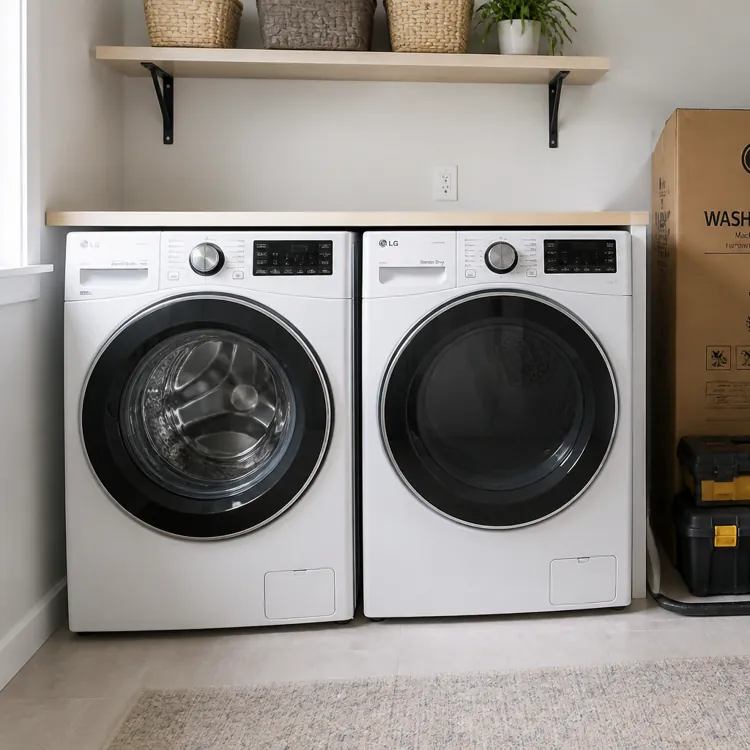
- Washer/dryer
Plans can cover repairs and replacements of these appliances and some system components if they break down due to normal wear and tear, but home warranties don’t cover most services related to problematic trees. Even plans that include discounts for maintenance items such as rekey services, HVAC tune-ups and lawn care won’t cover tree removal.
Here are four scenarios that may demand tree removal and the specific reason home warranties won’t cover each:
- The tree could fall and cause damage: A tree that hasn’t fallen but could in the near future is considered a regular maintenance item, which home warranties don’t cover.
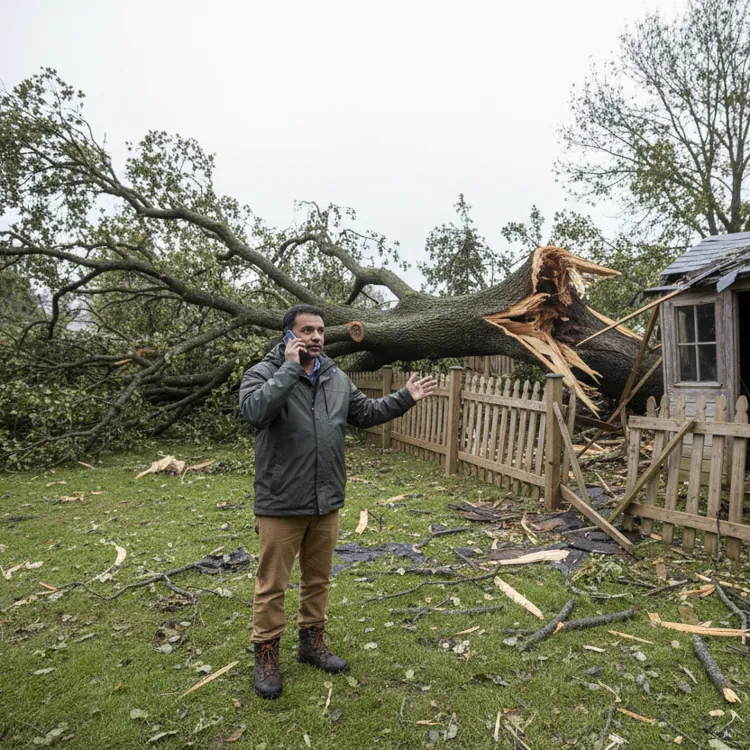
- The tree fell due to unavoidable causes: A tree that falls from a natural disaster or extreme weather and causes property damage is considered an “act of God,” and your homeowners insurance may cover this. Home warranties exclude anything that could or should be covered by insurance. States and municipalities each have their own laws regarding who’s responsible for trees, though.
- The tree fell due to negligence: If a tree falls because you failed to ensure it was healthy and alive, any resulting damage is considered avoidable. In this case, neither insurance nor a home warranty will cover fallen tree removal.
- You just want the tree removed: Home warranties don’t cover cosmetic issues or unnecessary maintenance, so they won’t pay for elective tree removal.
Some homeowners see the term “home protection” in home warranty marketing materials and believe it’s all-inclusive. But it’s important to understand that the protection is really only for mechanical issues related to covered appliances and home system components, not everything in and around your home that insurance doesn’t cover.
Tree damage covered by home warranty
A home warranty might cover issues related to tree damage in some cases, but whether you see any financial relief will depend on your provider and the details in your service contract. You’ll more likely get coverage from your homeowners insurance, which, together with a home warranty, can provide comprehensive protection.
| Home warranty | Homeowners insurance | |
|---|---|---|
| Sewer line damage from roots | Excluded as gradual deterioration | Usually excluded as gradual deterioration |
| Foundation damage from roots | Excluded as structural damage | Usually excluded as gradual damage |
| Roof damage from fallen trees/limbs | Excluded as structural damage | Covered unless caused by negligence |
| Home system damage from fallen trees/limbs | Excluded, as it’s not from wear and tear | Covered unless caused by negligence |
| Emergency fallen tree removal | Not covered | Might be covered, depending on policy |
| Removing tree preemptively | Not covered | Not covered |
| Stump removal | Not covered | Not covered |
| Preventive trimming | Service could be discounted through provider | Not covered |
One possible exception to the guidelines above is roof damage caused or exacerbated by the presence of a tree. For example, a heavily shaded roof is more likely to grow moss, which can cause roof leaks over time. If you have a home warranty with roof leak protection and your provider deems the issue unavoidable, you may get coverage for the repair.
Home insurance vs. home warranty tree removal
Homeowners insurance usually only covers tree removal for trees that have already fallen, and only if the underlying cause was a sudden and unavoidable issue, like extreme weather or a natural disaster. Below are some potential causes for your insurance to kick in after you pay your deductible.
- Hurricanes or tropical storms
- Tornadoes
- Severe thunderstorms
- Lighting strikes
- Other extreme weather
- Seismic activity
- Floodwaters causing lateral pressure or rapid soil erosion
- Accidental vehicle impact
In these cases, your insurance policy should cover the emergency tree removal and repairs to any damaged property.
Home warranties won’t cover tree removal at all, as they exclude issues covered by insurance. However, some of the best home warranties may come with discounts for exterior maintenance, which could include preventive tree trimming and tree removal.
The table below can help you decide which entity you should contact in different situations. Note that deductibles for insurance coverage are usually much higher than the service fees you’ll pay to a home warranty provider, so when in doubt, try filing a claim with your home warranty provider first.
| Scenario | Best course of action |
|---|---|
| Tree appears to be at risk of falling | Check home warranty for discounts on maintenance |
| Tree is diseased or weakened by pest damage | Check home warranty for discounts on maintenance |
| Tree fell and didn’t damage personal property | Check home warranty for discounts on maintenance |
| Tree fell and damaged personal property | File a claim with insurance provider* |
| Tree limb fell and didn’t cause damage | Check home warranty for discounts on maintenance |
| Tree limb fell and damaged personal property | File a claim with insurance provider* |
| Tree roots cracked your home foundation | Contact a structural engineer on your own |
| Tree roots cracked a sewer line or septic tank | Contact a plumber or septic pro on your own |
| Tree coverage led to a roof leak | Try filing a claim with home warranty first, then insurance |
Tree removal costs and claim steps
Tree removal costs typically range from $200 up to $2,000. Costs can depend on the size and type of the tree, as well as accessibility and the removal method, which your pro will determine based on the tree’s proximity to your home, outbuildings, fences and other personal property. Emergency tree removals can cost significantly more.
Understanding the steps to file claims and get available coverage can help you save money, and it’s a good way to prepare in case you do run into an issue with a tree on or near your property.
- Take pictures of the fallen tree/limb and the surrounding area if it’s safe to do so.
- If a tree or limb fell due to severe weather or a natural disaster and damaged your home or personal property, immediately file a claim with your homeowners insurance company.
- Request emergency tree removal from your insurance company or get pre-approval to hire a company on your own.
- Request emergency repairs from your insurance company or get pre-approval to hire your own contractor.
- If you hire your own contractor, have them provide a cost estimate for the work and submit it for approval before moving forward with the job.
- If a tree or limb fell due to your own negligence, contact your home warranty provider to see whether it offers discounts on emergency tree removal services.
- If a tree looks to be at risk of falling, ask your home warranty company whether it offers discounts on tree removal services, and schedule through the provider.
- In all cases, provide photos to your insurance company or home warranty company to document the issue and get necessary solutions in progress.
- Track the status of your claim until you receive the required services or reimbursement for out-of-pocket expenses.
FAQ
What do home warranties not cover?
Home warranties usually exclude preexisting issues, intentional damage, cosmetic damage and anything that could or should be covered by homeowners insurance, manufacturer’s warranties or builder’s warranties. Most policies also have specific exclusions for certain parts of appliances or home systems, or for certain damages, such as plumbing stoppages. Home warranties also usually have coverage caps, which restrict how much money the provider will pay out per item or per contract term.
Whose responsibility is it to remove fallen trees?
A tree that falls due to unavoidable circumstances, such as natural disasters or extreme weather, is the responsibility of the landowner where the tree fell, not where the tree was located prior to the damage. However, if the tree fell due to proven negligence or improper maintenance, removal becomes the responsibility of the landowner who should have been responsible for that maintenance.
Does homeowners insurance cover preventive tree removal?
Homeowners insurance does not cover preventive tree removal, nor does it cover any preventive maintenance. Insurance policies cover sudden and unavoidable damage, such as issues related to natural disasters, accidental fires or a tree that falls as a result of severe weather. If a tree falls due to unavoidable circumstances and causes damage to your property, homeowners insurance may provide up to $2,000 for tree removal in addition to coverage for the actual damage.
Will insurance cover a dangerous tree before it falls?
No, homeowners insurance will not cover a dangerous tree before it falls because your provider will consider removal preventive; insurance is only for correcting sudden and unavoidable damage to your home and personal property. And if you let the tree go until it does fall and your provider finds that it fell due to negligence, it likely won’t cover the necessary repairs to your home, either.
Are tree roots damaging sewer lines covered by home warranty?
Home warranties won’t cover tree root damage to sewer lines, nor will they cover stoppages caused by intruding tree roots. Damage from tree roots is considered gradual and avoidable, so you’ll almost certainly have to pay out-of-pocket for related repairs. However, there are exceptions, so you should refer to your home warranty contract and read through coverages and exclusions for specific guidance.
Article sources
ConsumerAffairs writers primarily rely on government data, industry experts and original research from other reputable publications to inform their work. Specific sources for this article include:
- Law Library of Congress, "Legal Disputes Concerning Trees." Accessed Feb. 19, 2026.
- University of Florida Institute of Food and Agricultural Sciences Extension, Hillsborough County, "Know Your Rights and Responsibilities: Trees on Property Lines." Accessed Feb. 19, 2026.
- Oklahoma Insurance Department, "Fallen Trees & Homeowners Insurance: What's Covered?." Accessed Feb. 19, 2026.