

Do home warranties cover doors?
The short answer is no — standard home warranties do not cover doors. Home warranties are service contracts that cover major appliances and home systems, excluding structural components such as doors, windows, walls and foundations. Homeowners insurance typically addresses structural components.
However, coverage may vary by home warranty provider and plan, as well as by the type of door and its components.
Coverage variances
The items covered will depend on the plan you have. Most home warranty companies offer options ranging from basic to premium plans. The main differences are the breadth of coverage, coverage limits and cost.
Basic home warranty plans
Basic home warranty plans do not include door coverage. They cover essential home systems and major appliances, including:
Systems:
- Electrical
- Plumbing
- Heating and air conditioning (HVAC)
- Water heater
Appliances:
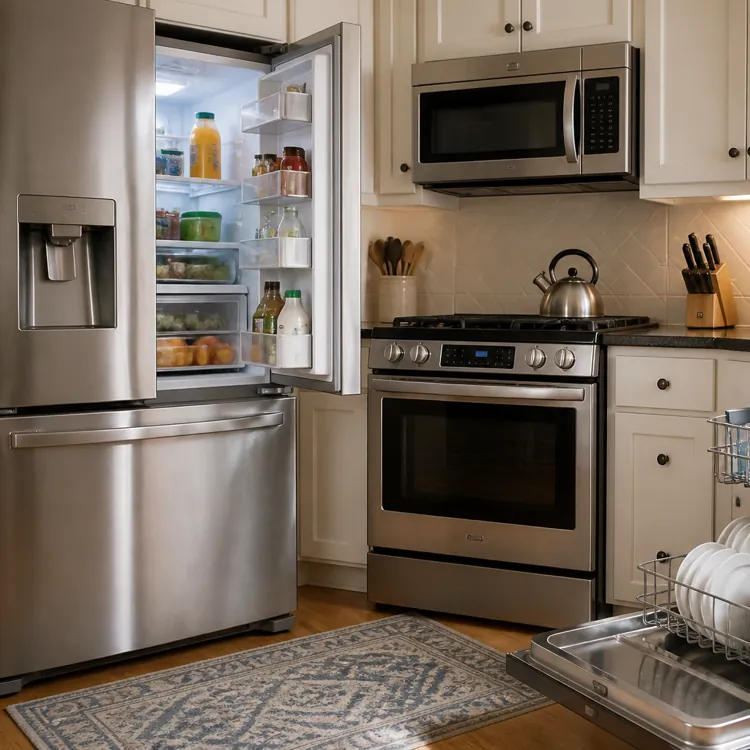
- Refrigerators
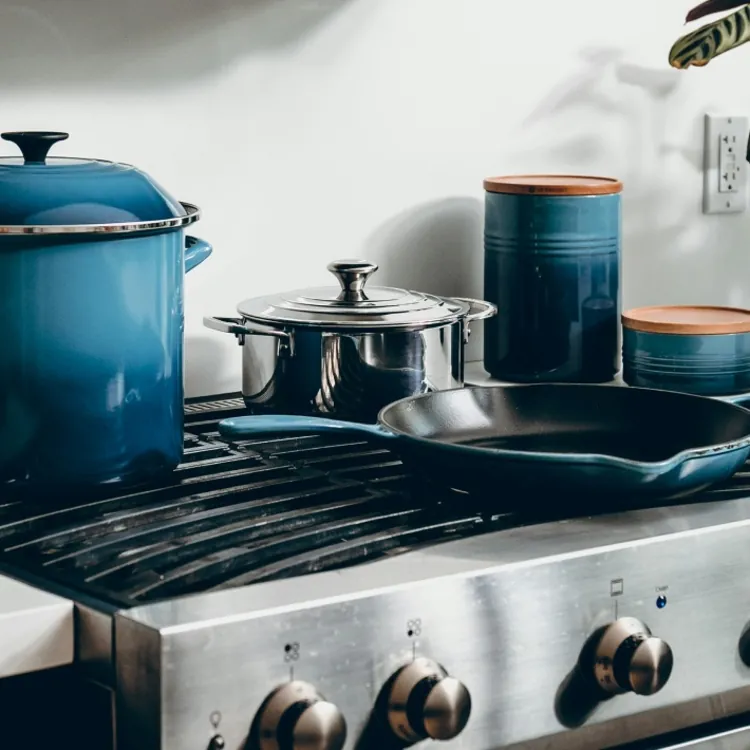
- Stoves
- Ovens
- Built-in microwaves
- Dishwashers
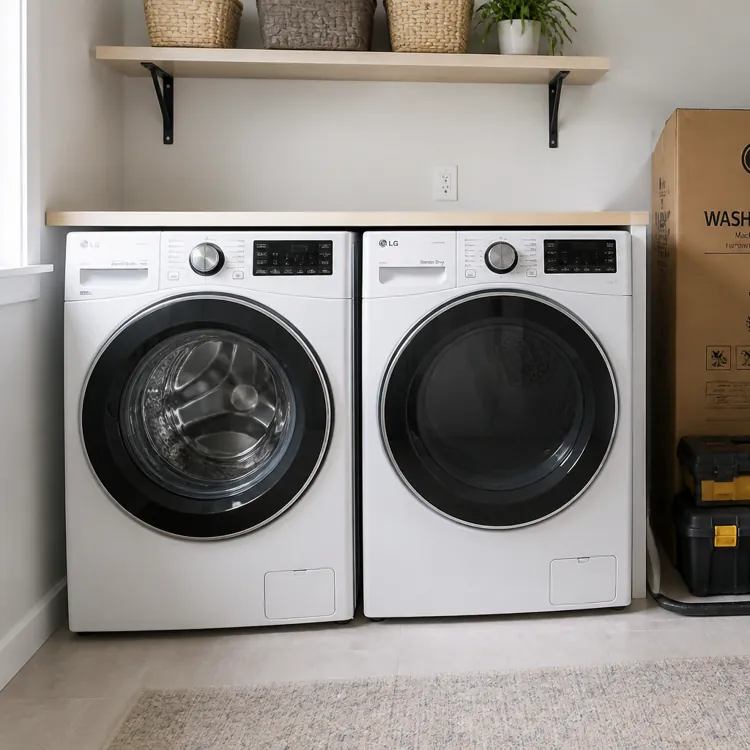
- Washers and dryers
Basic home warranties have lower premiums, but this means they also have lower coverage caps for each appliance or system. You’ll have a lower monthly or annual payment than with a premium plan, but you may have to pay more out of pocket for repairs or replacements.
Premium home warranty plans
Your home warranty company likely offers premium plans or add-on coverage to suit your needs. Premium home warranties will include all appliances and systems covered by the basic plan, as well as items such as pool or spa equipment, septic systems or high-end appliances. Most warranty providers also offer the option to add individual items onto your plan, letting you pay for coverage on specific items that aren’t included in the basic plan.
Premium plans typically have much higher coverage caps, resulting in higher premium costs and potentially higher service fees.
Does a builder warranty on new construction cover doors?
Yes, builder warranties often cover doors in new construction homes or remodels, but coverage typically depends on what caused the issue. Generally, builder warranties only cover damage due to defective materials or workmanship issues. A builder warranty does not cover damage due to normal wear and tear, misuse or neglect.
While coverage will depend on the builder, many new-construction builder warranties will cover workmanship and materials for one year. This normally includes doors, windows, trim, drywall and other exterior or interior components. Major systems and structural defects (like foundation issues) are usually covered for longer.
Door types and their coverage
It’s uncommon for home warranties to cover doors, as they are considered structural components. However, your home warranty provider may cover certain door components through premium plans or add-ons — most likely for exterior doors, which are crucial for security and insulation and can affect the functioning of other home systems.
The types of doors and components covered will vary based on your home warranty provider and plan, which is why it’s important to thoroughly review your contract before signing.
Exterior doors
These connect the inside of your home to the outside, such as front and back entry doors, patio doors, screen doors and storm doors. These doors are important for home security, protection from inclement weather and improving energy efficiency.
Most home warranty plans do not cover the repair or replacement of external doors, their panels or their frames, which are considered structural. Some providers may cover hardware components such as locks, handles or doorbells, or rekeying services.
Interior doors
Any door that defines spaces within the home, including those separating bedrooms, bathrooms, living areas, closets, pantries, offices, basements and attics.
Home warranties rarely cover interior doors. If issues with an interior door arise due to a covered event from another system or appliance, repairs may be covered, but it’s important to check with your provider to confirm the exclusions.
Sliding doors
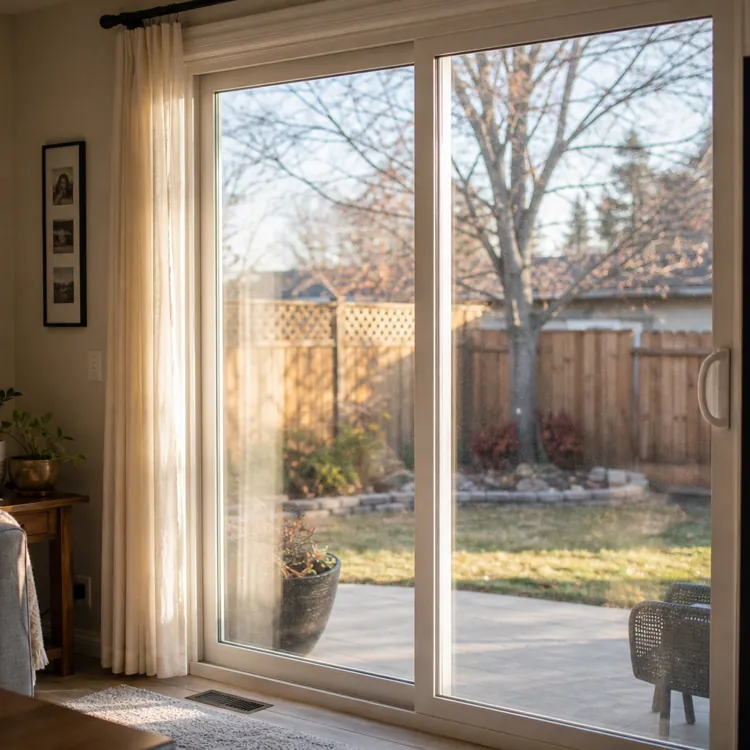
Sliding doors have large glass panels and provide outdoor access to backyards, patios or decks. Like exterior doors, most home warranty providers consider them structural and typically will not cover them.
Garage doors
“When it comes to garage doors, many home warranty providers are going to break them up into pieces,” said Ryann Brier, a licensed real estate agent at City Lights Home Buyers in Grand Rapids, Michigan. “For example, American Home Shield states that their coverage plan covers all components and parts of garage door openers, but notes that this does not include the garage door, garage door track assemblies or extra parts.”
Does a home warranty cover garage doors and parts?
Brier explained that most home warranties do not cover the actual garage doors, but may cover certain components of the operating system. Instead of thinking of the garage door as one single item, think of it broken down into all its parts, including:
- Door paneling
- Garage door opener
- Springs and tension cables
- Tracks, rollers and hardware
The providers that do offer garage door coverage typically focus on the electrical and mechanical parts, such as:
- Motors
- Switches
- Control boards
- Openers or remotes
The good news is that many home warranty providers include garage door openers in their coverage, as they are often considered part of your home system.
It’s important to remember that home warranties only cover issues arising from normal wear and tear — not from misuse or lack of maintenance. A malfunctioning garage door caused by storms, theft or vehicle damage is more likely to be covered by homeowners insurance than your home warranty plan.
“If the opener or motor in the garage door fails, that is something a home warranty may help with, the keyword being ‘may,’” said Brier. “If the door panel is bent or the garage door track is damaged, that is most likely going to be outside of the home warranty's coverage.”
How to verify coverage
Brier recommends searching for these exact terms in your home warranty plan to quickly verify the door coverage:
- Garage door opener covered
- Springs covered or excluded
- Track assemblies 4 rollers
“Don't be afraid to follow up over the phone; no such thing as a bad question. The important thing to understand is that all home warranties differ, and it is best to get clear up-front answers from the company before deciding on your own. You can always consult a licensed professional if you are unsure.”
What doesn’t a home warranty cover?
Home warranties cover the repair and replacement of certain appliances and home systems that break down due to normal wear and tear, not issues caused by a lack of maintenance or misuse. Home warranties also do not cover:
Doors and windows
As discussed, doors and windows are often excluded from home warranty plans because they are considered structural components of the home — not appliances or mechanical systems.
Manufacturers often offer warranties for their windows and doors, so be sure to check with the manufacturer if your home warranty plan does not cover an issue with your door or window.
Structural and exterior
Anything related to the home's structure, including the foundation, walls, windows and floors, as well as exterior items such as driveways, patios, sprinkler systems and pools or spas (unless specific coverage for these is added).
Preexisting conditions
Issues that were known to exist before your warranty started, even if they weren’t disclosed. Providers may deny a warranty claim if your door had a preexisting condition noted in an inspection report or seller disclosure. However, some home warranty providers may offer coverage for unknown or undetectable issues.
Neglect or misuse
Your home warranty provider may require proof of inspection and/or proper maintenance of the appliance or home system to approve your claim. Claims are more likely to be denied if the breakdowns were caused by preventable neglect, such as dirty or clogged components. For this reason, it’s important to follow the manufacturer's guidelines and save receipts and records of all maintenance performed.
This category also includes faulty workmanship and problems caused by incorrect installation. In the case of garage doors, for example, your warranty provider could deny your claim due to incorrect installation or misalignment.
Outdoor systems
Outdoor systems such as sprinklers, septic tanks, spas and pools are typically not covered under basic home warranty plans for a few reasons:
- They’re not considered an essential system that’s critical to the core operation of your home.
- They’re more exposed to external damage and unanticipated events or accidents, which fall under homeowners insurance.
- They’re complex and may require code updates, such as new wiring, making them riskier for home warranty providers to offer coverage.
Accidents or acts of nature
Home warranties cover only failures and breakdowns caused by normal wear and tear over time. Unexpected perils and accidents like theft or fire are typically covered by homeowners insurance. Insurance policies address structural issues, while warranties focus on aging appliances and home systems.
Cosmetic issues
Home warranties are intended to keep the mechanical components of your home appliances and systems operational, not free of cosmetic imperfections. Dents, scratches or discoloration will not be covered if they don’t impact the functionality of the item.
» FIND OUT MORE: Home warranty vs. home insurance
Tips to maintain your doors
Home warranties cover breakdowns caused by normal wear and tear. Regular maintenance of your doors will prolong their lifespan and may also prevent potential claim denials down the road if issues arise.
Regular maintenance tasks you can perform to prolong the lifespan of your doors include:
- Clean regularly: Dust frequently with a microfiber cloth, including the frame and hinges. Then use a soft, damp cloth with mild soap and water and dry thoroughly. Try avoiding cleaners with abrasive or harsh ingredients, as they may damage the finish.
- Lubricate locks and hinges: This not only stops that annoying squeak but can also help prevent rust buildup and general wear and tear.
- Inspect hardware: Regularly check that all hardware is secure and functioning correctly. Keep an eye out for sagging or misaligned doors that may need their hinges tightened.
- Check weatherstripping: Ensure all seals are intact and are keeping a secure barrier.
- Don’t slam: Constant slamming can damage the frame, hinges and hardware.
- Proper protection: Ensure doors exposed to the elements, including sun and moisture, have appropriate protective coatings and sealing. Check all your doors for damage after extreme weather to identify potential issues right away.
FAQ
Are doors covered by a home warranty?
Most home warranties do not cover doors, as they are considered structural elements of a home — similar to the foundation, walls, windows and roof — which are not covered by home warranty plans. However, some providers may offer add-on coverage for certain door components or mechanisms.
“Home warranties are typically designed around systems and components, not building materials or equipment elements. That's why it is more likely that a garage door opener is covered by a home warranty, while the garage door itself is not,” said Brier.
Does homeowners insurance cover door replacement?
Homeowners insurance may cover doors, but usually only if the damage was caused by a covered event such as a storm, fire, break-in or other incident. Homeowners insurance does not cover the cost of repairing or replacing doors due to normal wear and tear. Check your builder's warranty or manufacturer's warranty to see if coverage is offered.
What is a red flag on a home warranty?
Red flags for home warranty providers include consistently low ratings, aggressive sales tactics, vague or confusing contracts, poor customer service and frequently denied claims.
How do home warranties differ from homeowners insurance?
Home warranties provide coverage for the repair or replacement of major appliances and systems within the home that fail due to normal wear and tear. Homeowners insurance provides coverage for the structure and belongings damaged by accidents or unforeseen events, such as storms, theft or fire.
Why are garage doors often excluded from home warranties?
Garage doors are often excluded because they’re considered structural components of the home, which are not covered under home warranties. Home warranties cover mechanical breakdowns of systems and appliances, not failures or damage related to the actual garage door, panels, tracks, cables or springs.
Article sources
ConsumerAffairs writers primarily rely on government data, industry experts and original research from other reputable publications to inform their work. Specific sources for this article include:
- Porch Warranty, “Do Home Warranties Cover Doors?” Accessed June 19, 2026.
- STL Windows and Doors, “A Guide to Residential Exterior Doors.” Accessed June 19, 2026.
- Liberty Homeguard, “Does Home Warranty Cover a Garage Door?” Accessed June 19, 2026.
- American Home Shield, “Does a Home Warranty Cover the Garage Door and Opener?” Accessed June 19, 2026.
- Cinch Home Services, “Does a Home Warranty Cover Garage Doors & Parts?” Accessed June 19, 2026.
- American Home Shield, “What Are the American Home Shield Shield Assurances?” Accessed June 19, 2026.
- Porch Warranty, “What Does a Home Warranty Not Cover?” Accessed June 19, 2026.
- Safewise, “10 Surprising Things Not Covered by Your Home Warranty.” Accessed June 19, 2026.
- B&B Door Company, “10 Super Helpful Tips and Tricks on Door Maintenance Worth Reading.” Accessed June 19, 2026.
- Geico, “What Does Homeowners Insurance Cover & How Does it Work?” Accessed June 19, 2026.
- American Home Shield, “Home Warranty vs Homeowners Insurance - What’s the Difference?” Accessed June 19, 2026.
- Federal Trade Commission, “Warranties for New Homes.” Accessed June 19, 2026.