

Frozen pipe repair costs
You can expect to pay between $150 and $5,000 for frozen pipe repairs. The average cost is typically around $500, but prices vary depending on the type of pipe, extent of damage and labor costs. The price also depends on the location of the frozen pipes. If they are underground or in water due to leaks, pumping and excavation fees may cost closer to $5,000.
Frozen pipe repair costs by type
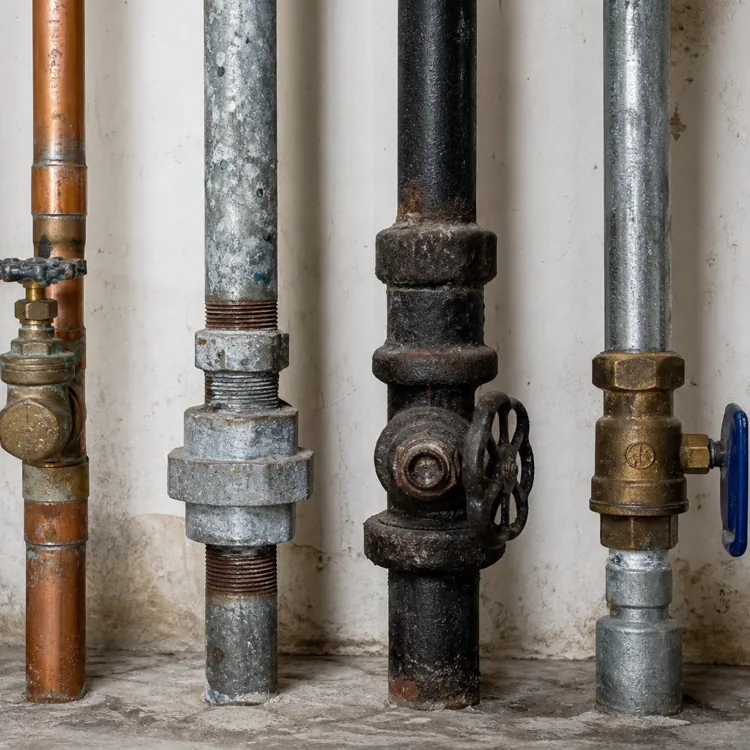
Water pipes come in various grades and materials that affect how long they will last and what they can handle. The average cost of replacing a pipe alone is $0.50 to $30 per linear foot. The average price per linear foot is $150 to $250 with labor.
| Pipe material | Materials per linear foot | Labor and materials per linear foot |
|---|---|---|
| PVC | $0.50 to $8 per linear foot | $150 to $260 per linear foot |
| Galvanized | $3 to $8 per linear foot | $155 to $260 per linear foot |
| Polypropylene | $1 to $15 per linear foot | $150 to $275 per linear foot |
| Fiberglass | $6 to $10 per linear foot | $155 to $260 per linear foot |
| Copper | $2 to $15 per linear foot | $150 to $275 per linear foot |
| Cast iron | $10 to $30 per linear foot | $160 to $280 per linear foot |
Frozen pipe repair costs by location
Where the frozen pipe is located is a big factor in repair costs. Some places are easier (and cheaper) for plumbers to reach than others. Here’s what you might expect for different locations:
- In-wall pipes: $150 to $500. Costs are higher if drywall must be cut and repaired.
- Kitchen pipes: $200 to $600. Repairs may require working around cabinets or appliances.
- Basement pipes: $100 to $400. Pipes in unfinished basements are typically the easiest and cheapest to access.
- Underground or exterior pipes: $500 to $2,000 or more. These are the most expensive to fix because of the labor and equipment needed for digging and restoration. The harder it is to reach and repair the frozen pipe, the higher the total cost will be.
Additional frozen pipe costs
Frozen pipes can damage other components connected to the water line, such as joints, outdoor faucets and hoses. However, these parts are typically inexpensive and easy to repair. Most joints cost under $15, and outdoor hoses and faucets cost around $15 to $60.
Frozen pipes can also damage sprinkler systems. Repairs for bursts and leaks usually cost around $150 to $350 for parts and labor.
The plumber may also charge a diagnostic fee, especially if the situation calls for thermal imaging or acoustic detection. Typically a plumber diagnostic fee will fall into the $75 to $100 range. Additionally, the plumber may just thaw your pipe if it is frozen but not burst. If it’s leaking, it may cost more to repair.
» Discover: Best plumbing companies
Factors that affect the cost to repair frozen pipes
Several variables can impact the total cost of repairing frozen pipes and leave you with an expensive final bill. Understanding these factors can help you anticipate expenses and decide whether to handle repairs yourself or call a professional. Common factors include:
- Type of pipe material: Different materials vary in durability and cost to repair or replace.
- Location of the pipe: Pipes hidden behind walls or buried underground are more labor-intensive and costly to access.
- Extent of the damage: A simple thawing job costs much less than replacing a burst pipe.
- Labor rates: Plumber fees can range widely depending on your region and the time of year.
- Emergency services: After-hours or urgent repairs can cost 50% more than a standard scheduled service.
- Additional damages: Frozen pipes can lead to secondary issues like water damage, broken joints, or damaged appliances.
- Insurance or home warranty coverage: Having coverage may significantly reduce out-of-pocket expenses.
By keeping these factors in mind, you can better budget for potential repairs and determine the most cost-effective solution.
Can you DIY a frozen pipe repair?
If you want to avoid hiring a plumber, you can try repairing a leak from a frozen pipe yourself. It is relatively simple, and all you will need is a new section of PVC or copper piping, joint connectors, a pipe wrench and plumbing flux. You can also try applying pipe clamps, epoxy putty, Teflon or plumber’s tape to the hole to fix the leak temporarily.
If you’re hesitant to DIY a fix or the frozen pipes are in a difficult area, calling a professional may be the way to go. It usually costs around $100 for a plumber to thaw out your pipes, but if they burst or have a leak, it can cost anywhere from $250 to $500. You can also expect to pay anywhere from $45 to $200 an hour in labor fees.
What to do when you discover frozen pipes
If you suspect your pipes have frozen, you can try to find the frozen section by turning on individual faucets to see where the water stops flowing. You may be able to identify the freeze by looking for bulges in pipes. You should also shut off the water supply in your home using the main shut-off valve. This will help lower the chances of the frozen pipe bursting.
You may be able to thaw the frozen pipe on your own, assuming it isn’t leaking or hasn’t burst. You should use a gentle, safe source of heat, like a hair dryer, heat lamp or electric heating pad. Do not use unsafe heat sources like a blowtorch and never leave the heat source unmonitored, as it can quickly turn into a fire hazard.
If the pipe bursts or is in a location that you can’t reach, it’s time to call a plumber. The sooner you contact a professional, the less extensive the damage will be.
When should a frozen pipe be replaced?
If you notice any cracks, leaks, rust or corrosion after your pipes thaw, it’s probably time to have them repaired. Copper pipes also stretch to prevent leaks when freezing, so it might be time for a replacement if your pipes look swollen or stretched.
Does your home warranty cover frozen pipe repair or replacement?
Many home warranties include plumbing and cover pipe repairs. Plumbing is usually included in the systems plan, and the home warranty covers frozen pipes, leaks, stoppages and ruptures. However, if your pipes were damaged by a natural disaster such as a blizzard, you may need to check your homeowner's insurance to see if it covers the issue.
Homeowners insurance coverage for frozen pipe damage
While a home warranty covers the pipes themselves, your homeowners insurance may offer a different kind of coverage. Homeowners insurance usually covers sudden, accidental damage that isn’t due to negligence. In the event of a frozen pipe that burst, your insurance may pay for repairs to walls, floors and property that was damaged.
That being said, a homeowners insurance plan could stipulate that it will only cover damage from frozen pipes if the homeowner took reasonable precautions to avoid or prevent the freezing. An example of a reasonable precaution would be keeping your home properly heated during freezing conditions.
If you experience damage from a frozen pipe and plan to file an insurance claim, be sure to take pictures of the damage and keep any quotes or receipts you receive during repairs.
» More: How does home insurance work?
FAQ
How long does thawing take?
It can take anywhere from 30 minutes to several hours to thaw frozen pipes. The total time will depend on the extent of the freeze and the pipe’s location.
How long do pipes in your home last?
Each type of pipe in your home has a different lifespan and needs to be repaired accordingly. Typically, the lifespan of pipes are:
- 70 to 80 years for copper pipe
- 80 to 100 years for brass
- 70 years for PVC
- 80 to 100 years for galvanized steel
- 10 to 15 years for polybutylene
Do I need to have my home’s pipes serviced regularly?
Yes, you should have your home's pipes inspected once every two years to ensure there are no leaks, damages or corrosion. Homes over 40 should be inspected yearly to ensure everything is running properly.
Does plumbing have a warranty?
When contractors finish a plumbing repair or replacement, they typically provide an extended warranty on the work performed. This means they will give a discounted rate or no service fee if they have to return for the same repair. Home warranties also cover plumbing if the contractor doesn’t provide an extended warranty.
Bottom line
Frozen pipes can leave you without running water, an elevated water bill and a potentially costly plumber fee. Replacing frozen pipes yourself can be relatively easy, but if you decide to call a professional, expect to pay $45 to $200 an hour. If you're looking for a cheaper alternative, you could also see if your home warranty plan covers frozen pipe repairs.