
How to verify home warranty coverage
If you’re unsure whether your home is protected by a warranty, there are several reliable ways to confirm coverage. The steps below walk through the most common verification methods.
Check your closing documents
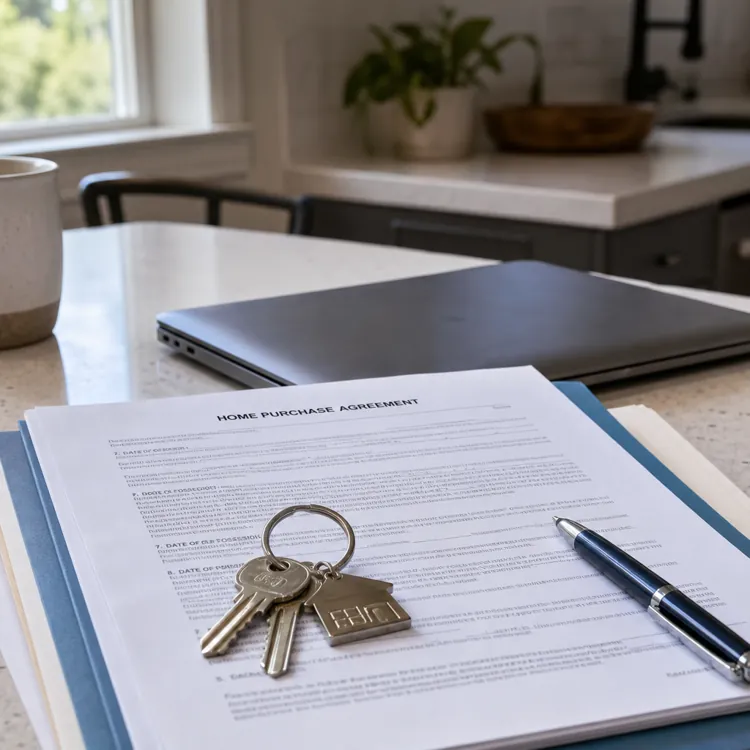
Review your Closing Disclosure or HUD-1 Settlement Statement, focusing on sections labeled “Home Warranty,” “Warranties,” “Additional Terms” or line items showing seller-paid fees. A home warranty may also appear in a purchase agreement addendum or repair rider. On a Closing Disclosure, look for warranty fees listed under “Other Costs” or “Services You Can Shop For.” If you see a warranty provider name or fee, that’s a strong indicator that coverage was purchased. If documents are unclear, note any references and use them when contacting agents or providers.
Gather key information
Having the following information on hand can help you confirm whether a policy exists, whether it transferred to you, and whether it’s still active.
- Property address
- Home purchase date
- Seller and real estate agent names
- Policy or contract number (if available)
- Your ID or proof of ownership
Review service and repair records
Past repair invoices can provide clues about warranty coverage. Look for notes such as “home warranty claim,” “service fee,” or a warranty company name. Some contractors list the warranty provider directly on invoices. If you see this information, contact the service company and ask which warranty company authorized the work and when the claim was filed. This can help identify the provider even if you no longer have the policy paperwork.
Check for payments or recurring charges
Review bank and credit card statements for payments to home warranty companies. Look for annual charges, renewal fees, or service call payments under company names such as American Home Shield, Choice Home Warranty, or similar providers. Even a single annual payment can confirm prior coverage. Note the payment date and merchant name, as this information can help a warranty company locate your policy or confirm whether coverage has expired.
Once you’ve identified a provider name you think you may have a warranty from, you can often confirm coverage online. Many home warranty providers have an online portal or mobile app you can access to check your plan agreement, review covered items and exclusions, and even set up a service call. If you can’t use the member portal, try calling the company’s support line.
Contact your real estate agent or seller
Reach out to your real estate agent or the seller and ask directly whether a home warranty was purchased at closing. Request the provider name, policy number, and whether the warranty was transferred or renewed. If possible, ask for copies of the warranty contract or confirmation emails. Follow up in writing if details are unclear, as agents and sellers may have records even if you don’t.
Contact major home warranty providers
If you suspect you have an active policy but don’t know the provider, contact major home warranty companies directly and ask them to search by address. When calling, provide your property address, purchase date and the seller’s name. Ask whether a policy exists and if it’s active or expired.
» COMPARE: Best home warranty companies
Check with title companies and public records
Title companies sometimes retain records showing whether a home warranty was included at closing. Contact the title or escrow company listed on your closing documents and request confirmation. You can also review public real estate records or archived transaction summaries, which may reference warranty addenda or seller concessions tied to a warranty purchase.
Types of home warranties
Home warranties generally fall into three main categories, each offering different types of coverage and protections.
Builder’s warranties
builder’s warranty is provided by the homebuilder for newly constructed homes. It typically covers workmanship, materials and major structural components. Coverage periods vary but often include one year for workmanship, two years for systems, and up to 10 years for structural elements. To check if you have a builder’s warranty, review your closing documents, new home purchase agreement, or warranty booklet provided at move-in. You can also contact the builder directly or check state builder registration records if available. These warranties usually apply only to the original owner and may have strict claim deadlines.
Manufacturer’s warranties
Manufacturer’s warranties cover individual appliances or systems, such as HVAC units, water heaters and kitchen appliances. These warranties protect against defects in materials or workmanship for a set period, often ranging from one to 10 years. Documentation is typically included with the product manual or registration. To verify coverage, locate the model and serial number and contact the manufacturer or check their website. Keeping receipts and registration confirmations can help avoid delays when filing a claim.
Third-party home warranties
Third-party home warranties are service contracts purchased separately or included in a real estate transaction. They cover repairs or replacement of major systems and appliances due to normal wear and tear, usually for one year at a time. To confirm coverage, review your closing disclosure, renewal notices or policy documents, or contact the warranty company directly using your property address. These warranties require annual renewal and a service fee per claim, so checking expiration dates and coverage limits is essential.
» READ MORE: Home warranty coverage
Why does a home warranty matter?
Depending on your property type, home warranties can definitely be worth it. They help offset the repair or replacement costs of major home systems and appliances that fail due to normal wear and tear. Instead of paying for large, unexpected repairs, a home warranty typically limits your costs to a set service fee, helping make expenses more predictable.
That said, home warranty coverage has important limitations. Most home warranties exclude known or preexisting conditions, as well as issues caused by improper maintenance or code violations.
Additionally, if you have a newly purchased plan, be aware that it may have a waiting period before claims can be submitted. However, if your home already has an active warranty and a covered item fails unexpectedly, you should be able to file a claim. Understanding both the benefits and exclusions can help you decide whether a home warranty is worth it for your situation.
FAQ
How do I find out if I have a home warranty?
Review your home purchase documents, such as the closing disclosure or settlement statement, where a home warranty is often listed. Check your email and mail for policy documents or renewal notices from a warranty provider. You can also ask your real estate agent or contact major home warranty companies directly to see if they have an active policy on file for your address.
What are red flags that I don’t have an active home warranty?
If you can’t find a policy number, contract paperwork, or renewal notices, coverage may not exist or may have expired. Paying full price for repairs without ever paying a service call fee is another warning sign. It’s also a red flag if your agent, the seller and warranty companies have no record of coverage for your home.
What information should I have ready when checking for home warranty coverage?
Have your property address, home purchase date, and the names of the buyer, seller, and real estate agents involved. Keep your closing documents handy and gather any emails or paperwork related to a home warranty. Warranty companies may also ask for the homeowner’s name at the time of purchase or a contract number, if available.
What should I say when contacting my real estate agent, the seller or a warranty company?
Explain that you’re confirming whether a home warranty was purchased and is still active. Ask which company issued the policy, when coverage began, and whether it was transferred or renewed. If contacting a warranty company, provide your address and purchase date and request confirmation of coverage in writing.
How do I know if my home came with a warranty?
You should have been told if your home came with a warranty during the negotiation and closing process. However, if you’re unsure, you can reach out to your real estate agent or the seller to find out if one is in place for your home. You may also be able to find out by contacting home warranty companies or referring to service records on appliances or systems (like plumbing) in your home.
What is the difference between home insurance and home warranty?
Homeowners insurance covers loss due to events like burglary or natural disasters. Insurance typically covers the structure of your home and your personal belongings. A home warranty covers repairs or replacement for things that aren’t included in most home insurance plans, like appliances and home systems like plumbing and electrical.
When you buy a house, does it come with a warranty?
Many sellers and real estate agents offer a home warranty to help sweeten the deal and close the sale. It also gives buyers extra reassurance if something unexpected comes up, like a janky garbage disposal.
How do you use a home warranty?
If you have an active home warranty and need to make a claim, review your plan agreement to make sure your issue falls under the list of covered items. Next, open a service request by phone or through your provider’s member portal. You will likely need to pay a service fee for each technician visit.
What is typically included in a home warranty?
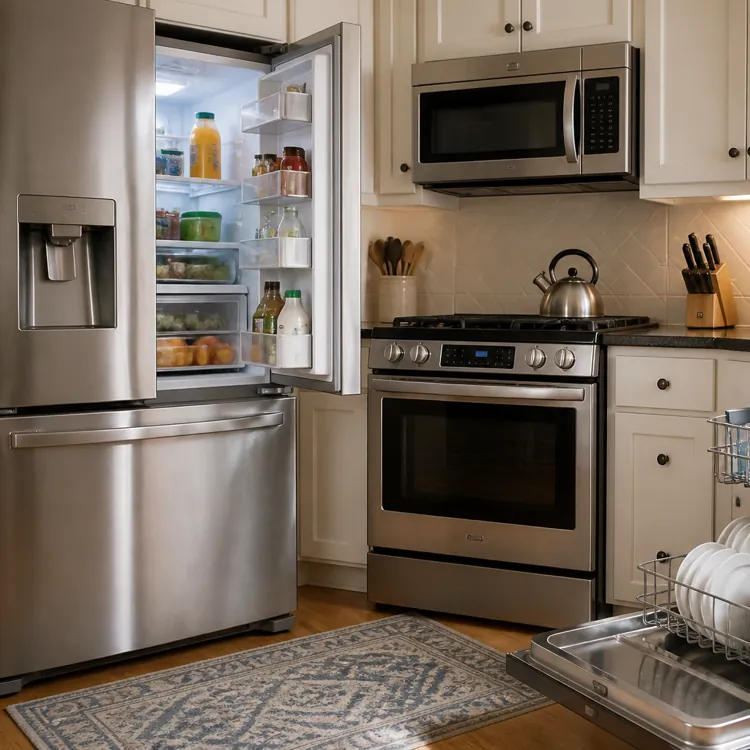
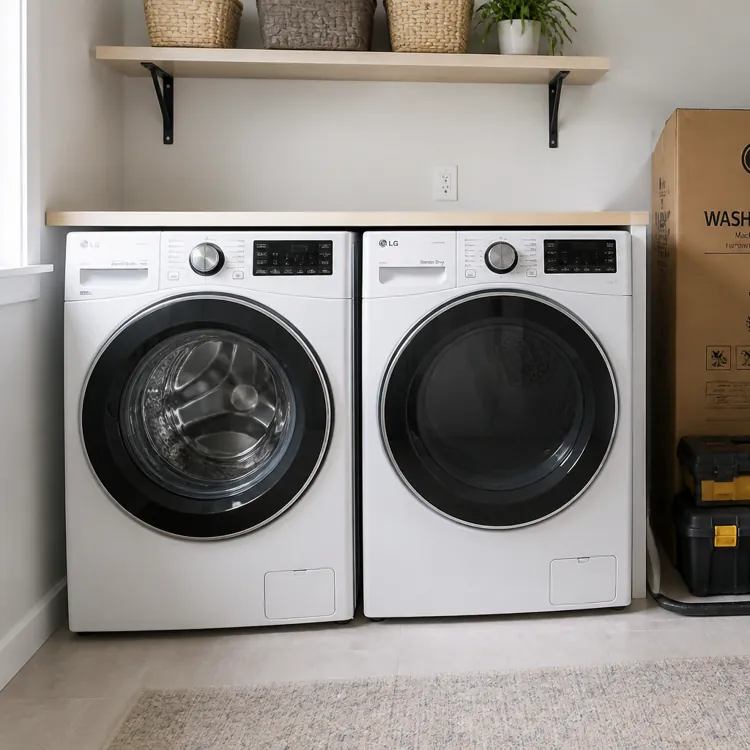
A home warranty usually covers major kitchen and laundry appliances and home systems like plumbing and electrical. They may also cover extras like roof leaks, water softeners, pools and hot tubs, but those items are usually add-ons to basic coverage.
Bottom line
Understanding whether you have a home warranty is the first step in safeguarding your home and finances against unexpected maintenance costs. Whether you're a new homeowner or considering adding home warranty coverage to your existing property, it's always smart to take proactive steps to assess your coverage status.
Once you’ve determined that you have a home warranty, you can file a claim if any issues arise. Before filing, use your warranty contract or the provider’s website to review exclusions that might apply and find out what service fee you’ll need to pay. If you don’t currently have active coverage, researching the top home warranty companies can help you decide whether to buy a new plan.
Article sources
ConsumerAffairs writers primarily rely on government data, industry experts and original research from other reputable publications to inform their work. Specific sources for this article include:
- Center for Insurance Policy and Research, “The Service Contracts Model Act: A Quarter Century and Counting — What Now?” Accessed July 6, 2026.
- Liberty Home Guard, “Who Regulates Home Warranty Companies?” Accessed July 6, 2026.