By Truman Lewis
ConsumerAffairs.com
February 15, 2010
Today is the first day of the rest of Toyota's life, however long it may prove to be. The Japanese automaker, hammered by plummeting sales after an unprecedented series of safety recalls, is vowing to win back customers "at all costs," according to a report in the industry journal Automotive News.
The newspaper said Toyota's plans include extending new-car warranties to make them the best in the industry, offering warranties for used vehicles and ponying up some form of owner loyalty cash, perhaps thousands of dollars per customer. Dealers will also get help from Toyota in financing their inventories and dealing with repairs not covered by the various recalls, report said.
Toyota said last week that it expects to lose 80,000 sales this year because of the safety crisis -- an estimate some industry observers think is wildly optimistic. A study by Kelley Blue Book found that Toyota now ranks behind Chevrolet and Ford in the percentage of consumers actively considering buying a car or truck.
The company reportedly plans to hold off on its new marketing efforts until Congressional hearings on the recalls currently schedoled for later this month. The hearings are likely to be a huge dose of bad publicity, as Congress pretends to work itself into a lather over the issue.
So far the president of Toyota in North America has been called to testify, but officials in Japan have said that Akio Toyoda, the head of Toyota Motor Corporation and grandson of the company's founder, will make himself available to Congress if required.
The automaker's plunge from its lofty perch as the world leader in safety and environmental issues began last fall when more than 5 million Toyota and Lexus models were recalled following complaints of unintended acceleration caused by floor mats trapping accelerator pedals. Then, in January, another 2.3 million Toyota vehicles were recalled because of -- guess what -- complaints of unintended acceleration, this time blamed on sticky gas pedals. Also recalled were assorted Prius hybrid and Tacoma pickup models.
The latest recall, announced over the weekend, affects 8,000 four-wheel Toyota Tacoma trucks that may have defective front drive shafts.
Recent recalls
Recalls to date include:
February 9, 2010 recall to fix brake problem in certain Prius and Lxus vehicles.
2010 Prius
2010 Lexus HS 250h
January 28, 2010 recall to fix floor mats on 1.1 million vehicles not covered by an earlier recall of 4.3 million vehicles.
2008-10 Highlanders
2009-2010 Corollas, Venzas and Matrixes.
January 21, 2010 recall to fix sticking accelerator pedals in another 2.3 million vehicles
2007-10 Camrys,
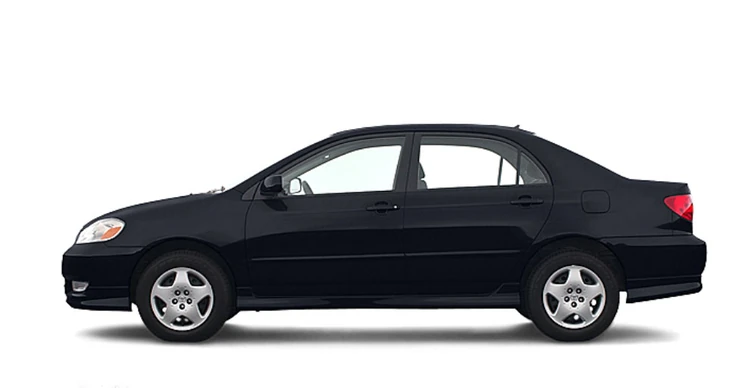
2009-10 Corollas,
2009-10 RAV4s,
2009-10 Matrixes,
2005-10 Avalons,
2010 Highlanders,
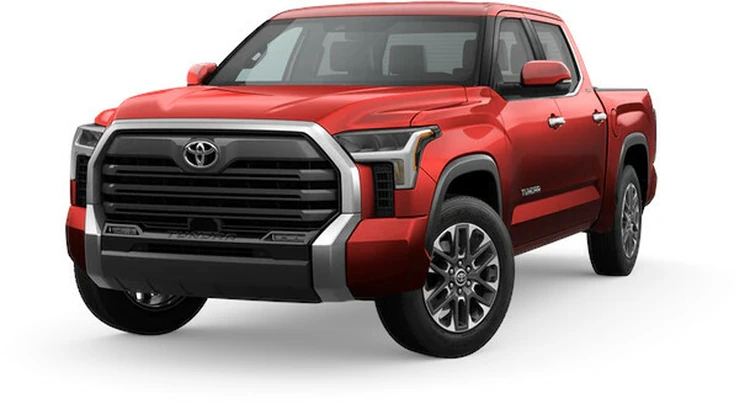
2007-10 Tundras and
2008-10 Sequoias.
September 30, 2009 recall to fix floor mats on 3.8 million vehicles.
2007-2010 Camry,
2005-2010 Avalon,
2004-2009 Prius,
2005-2010 Tacoma,
2007-2010 Tundra,
2007-2010 ES 350,
2006-2010 IS 250 and IS350
Other recalls
While the most recent recalls have been greeted with expressions of shock, dismay and so forth, Toyota is hardly a stranger to safety recalls. Here are some of the Toyota safety recalls since 2008, excluding those dealt with above:
Litigation looms
While Toyota may be justified in expecting the Congressional hearings to be a temporary problem -- given adequate application of the emoluments typically showered on Congress by industries being skewered for wrongdoings real or imagined -- the compay faces years of extraordinarily expensive litigation, in the form of both class action lawsuits and individual suits filed by injured motorists and the survivors of those killed in crashes involving the company's products.
Automakers typically spare no effort to block class actions from going to trial, hoping to avoid both ruinous damage awards and the bad publicity that lengthy trials produce. Many attorneys who are normally quick to file class actions are reluctant to sue automakers because of the risk that years of litigation will fail, thanks in part to legislation enacted by the very Congressional stalwarts who will portray themselves as outraged champions of the people when Toyota executives are dragged before them for their televised waterboarding session.
By the same token, automakers typically tend to settle personal injury and wrongful death cases rather than trying them in open court. A settlement that imposes a gag order on the plaintiffs not only prevents bad publicity but also locks up whatever damaging evidence the injured party's attorneys may have uncovered.
Toyota already faces at least 30 class action lawsuits. Beasley Allen, a well-known Alabama plaintiffs' firm, announced last week that it filed suit in federal court in Florida "on behalf of over 5 million Toyota owners whose vehicles have been recalled by Toyota." The firm is best known for its 2007 settlement on behalf of Vioxx users who suffered a stroke, heart attack, or death. At $4.85 billion, that settlement stands as the largest in U.S. history.
In addition to its class action woes, Toyota is also facing at least ten individual suits, most of which allege personal injury as a result of unintended acceleration. A Houston plaintiff alleges in a $200 million suit that his wife was killed in an accident in December, after her 2009 Corolla accelerated uncontrollably and crashed into a cement barrier.
Beasley Allen's suit alleges breach of warranty, fraudulent concealment, unjust enrichment, and breach of the covenant of good faith and fair dealing. The firm's statement confirms reports by ConsumerAffairs.com that unintended acceleration has long been an issue for Toyota.
The law firm cites estimates by Sean Kane, an independent expert on automotive safety, that an eye-popping "2,262 incidents involving unintended acceleration have been reported since 1999." Kane believes that 815 accidents involving Toyotas, resulting in 19 deaths and 341 injuries, were caused by unintended acceleration.
Meanwhile, California firm McCune Wright is seeking a preliminary injunction "requiring Toyota to expand the Sudden Unintended Acceleration recalls." McCune Wright says that Toyota's recently-announced brake override system is not being installed on nearly enough vehicles. The override allows the car's onboard computer to detect when the accelerator and the brake are being depressed simultaneously, and return the car's throttle to idle.
According to McCune Wright, "[B]y limiting this brake over-ride system recall to recent model years for just six vehicle models, Toyota has left more than 75 percent of the affected models and model years out of this important recall."
And Colorado firm Burg Simpson Eldredge Hersh & Jardine accuses Toyota of covering up the acceleration problem despite knowing about it for several years. In a suit filed suit on Friday, the firm basically says that consumers wasted money on cars they thought were reliable and safe to drive.
"The problem is that, even for people who have not experienced an unexpected acceleration, they now own a car that they likely wouldn't have bought or, at least, wouldn't have paid as much for had they known about this dangerous, life-threatening defect," said lawyer Michael Burg in a statement.