Flu Shots and Vaccines

This living topic covers the flu season, focusing on the importance of flu shots, including various incentives offered by pharmacies for getting vaccinated. It also discusses the effectiveness of the current flu vaccine based on data from the Southern Hemisphere, the introduction of a new nasal spray flu vaccine approved for self-administration, and the global efforts in vaccine development, such as a promising malaria vaccine. Additionally, it touches on the impact of bird flu outbreaks on poultry farms and the measures taken to prevent the spread of the virus. Overall, the content emphasizes the critical role of vaccines in preventing illness and controlling outbreaks.

Latest

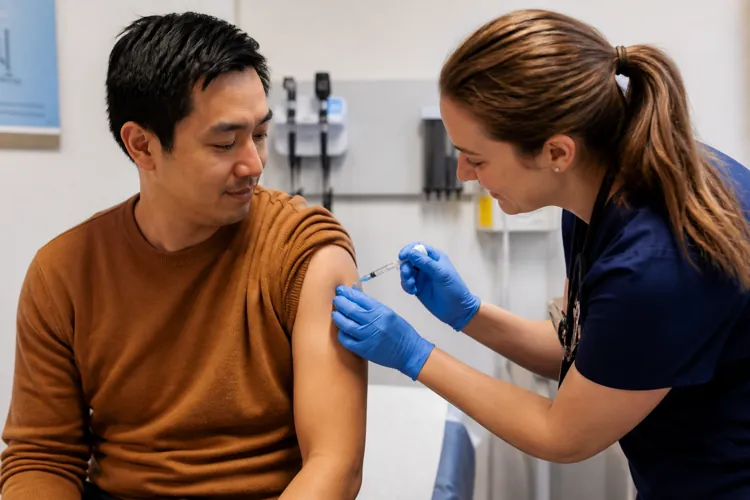
U.S. flu vaccination rates hit 7-year low

A new study shows more Americans are opting out — even as flu cases surge

Featured Health News photo

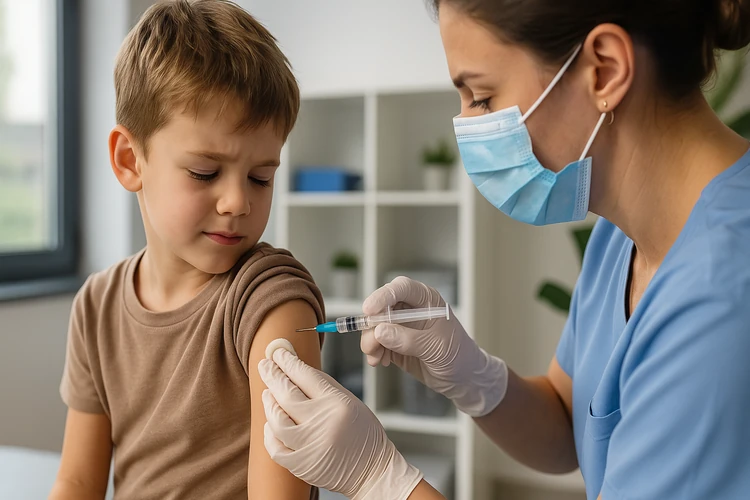
Flu vaccination rates among U.S. adults have fallen 24% since 2020, putting this season on track for a seven-year low.

Many Americans say they skip the shot not out of fear, but because they don’t think they need it or can’t find the time.

Health experts say even when it’s not a perfect match, the flu vaccine significantly reduces the risk of severe illness and hospitalization.

Flu cases are climbing again, hospitalizations are up, and what’s typically considered “flu seaso...

Read Article
Featured Health News photo
Article Image

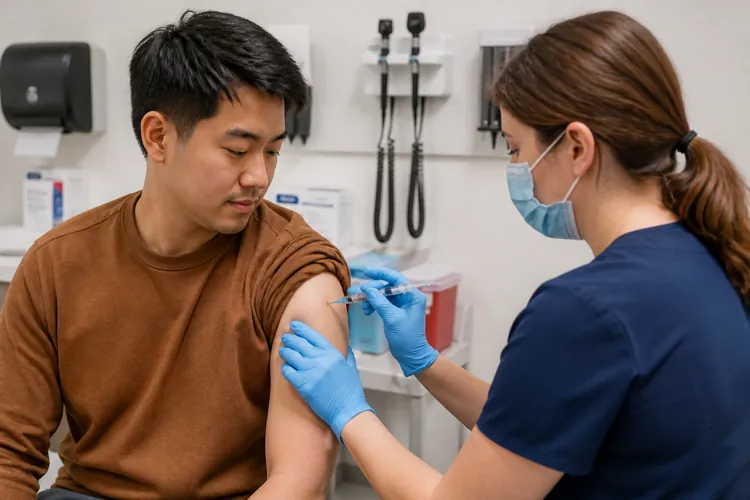
Survey finds strong support for core childhood vaccines, doubts linger over flu and COVID shots

  • KFF/Washington Post survey of 2,700 parents finds broad trust in MMR and polio vaccines but less confidence in flu and COVID-19 shots.

  • About one in six parents say they have delayed or skipped recommended childhood vaccines, citing safety concerns.

  • Confidence in federal health agencies remains low, with only 14% expressing strong trust in the CDC or FDA.


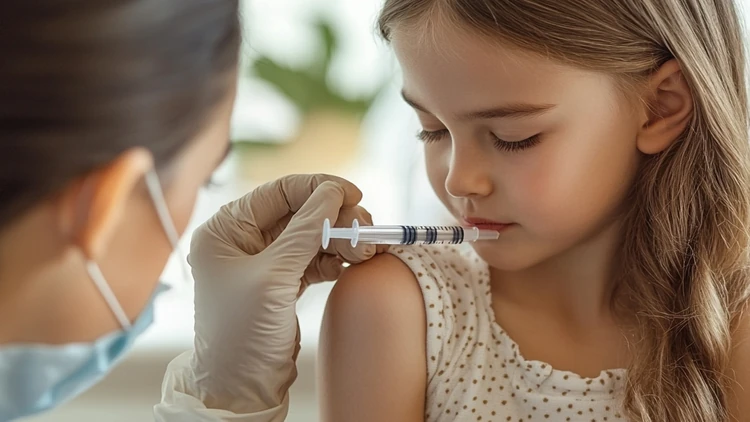
A new survey by KFF and The Washington Post shows large majorities of U.S. parents believe childhood vaccines such as measles, mumps, and rubella (MMR) and polio are safe and essential. The poll, based on interviews with 2,716 parents, highlights widespread acceptance of the long-standing vaccines that have been a foundation of public health for decades.

Concerns about newer vaccines

Parents are less confident about flu and COVID-19 vaccines. While most say they keep their children up to date on the recommended childhood schedule, about 16% reported delaying or skipping at least one vaccine (excluding flu and COVID). Younger parents, Republicans—especially those aligned with the “Make America Great Again” movement—and parents who homeschool were more likely to report skipping or delaying shots.

Safety fears and misinformation

The top reasons cited for avoiding some vaccines were fear of side effects, mistrust of vaccine safety, and doubts about whether all shots are necessary. The poll also revealed widespread uncertainty about misinformation: while just 9% of parents believe the false claim that MMR causes autism, nearly half (48%) said they don’t know enough to say. Parents of children with autism spectrum disorder were somewhat more likely to accept the false claim.

Support for school vaccine mandates remains high, with 81% of parents saying students should be required to get measles and polio vaccines, allowing for medical and religious exemptions. Eight percent of parents reported seeking exemptions so their children could attend school or daycare.

Distrust in federal health agencies

Confidence in federal health agencies remains shaky. Just 14% of parents expressed “a lot” of confidence in the CDC or FDA to ensure vaccine safety and effectiveness, while half said they had little or no confidence. About a quarter of parents believe the CDC recommends too many vaccines.

The survey was conducted as Health and Human Services Secretary Robert F. Kennedy Jr. continues to question federal vaccine policy. Few parents—only 11%—reported hearing much about his changes to vaccine policy, and most said they were unsure how those changes might affect safety, access, or industry influence.

Survey background

The KFF/Washington Post survey was conducted online from July 18 to Aug. 4, 2025, in English and Spanish, using Ipsos KnowledgePanel. It is the 37th collaboration between KFF and The Post since 1995, combining survey research with in-depth reporting.
Article Image

Cases of the flu appear to be peaking this month

The 2024-2025 flu season appears to be a nasty one. Data released by the Centers for Disease Control and Prevention show a rising number of visits to healthcare facilities to treat flu symptoms.

The CDC reports clinical labs found the flu virus in nearly 32% of the specimens that were submitted for analysis. 

“As of February 7, 2025, the amount of acute respiratory illness causing people to seek healthcare is at a very high level,” the CDC said. “Seasonal influenza activity remains elevated and continues to increase across the country.”

According to the CDC, 7.8% of visits to healthcare providers in the last week were for treatment of a respiratory illness, an increase from the previous week. The health agency also reported an increase in the number of COVID-19 cases but said cases of RSV were declining.

The CDC also monitors viral activity in wastewater across the U.S. to gauge the severity of a respiratory outbreak. Its latest analysis found “very high” levels of influenza presence, “high” levels of COVID-19 and a “moderate” level of RSV.

In the United States, flu season usually occurs in the fall and winter. While influenza viruses spread year-round, most of the time flu activity peaks between December and February. As the CDC chart below graphically illustrates, February is usually the peak month for infections.

Serious cases of influenza should be treated by a healthcare professional. For less severe cases, the Mayo Clinic suggests these treatments may provide relief:

  • Drink plenty of liquids. Choose water, juice and warm soups to help keep fluids in your body.

  • Rest. Get more sleep to help your immune system fight infection. You may need to change your activity level, depending on your symptoms.

  • Consider pain relievers. Use acetaminophen (Tylenol, others) or ibuprofen (Advil, Motrin IB, others) for fever, headache or achiness associated with influenza. Children and teens recovering from flu-like symptoms should never take aspirin because of the risk of Reye's syndrome, a rare but potentially fatal condition.

2024
2023
2022
Article Image

Inhaled vaccines may be a better alternative than nasal sprays, study finds

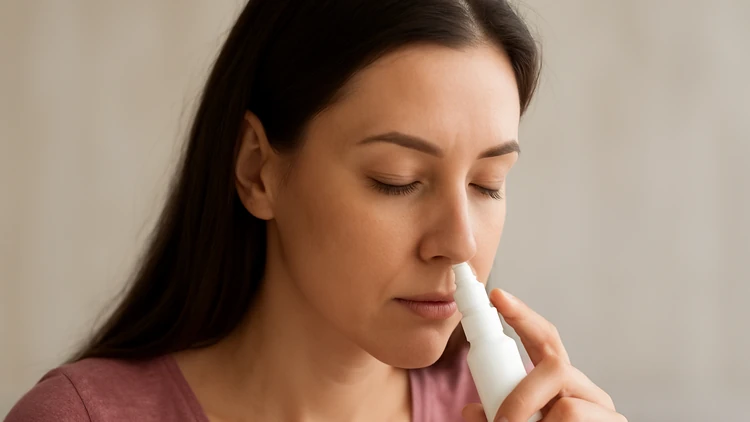
A new study conducted by researchers from McMasters University explored the effectiveness of different types of vaccines delivered through the respiratory system. Their findings showed that inhaled vaccines are likely to reach deeper into the respiratory system, which makes them more effective than nasal spray vaccines. 

“Infections in the upper respiratory tract tend to be non-severe,” said researcher Matthew Miller. “In the context of infections caused by viruses like influenza or SARS-CoV-2, it tends to be when the virus gets deep into the lung that it makes you really sick. 

“The immune response you generate when you deliver the vaccine deep into the lung is much stronger than when you only deposit that material in the nose and throat because of the anatomy and nature of the tissue and the immune cells that are available to respond are very different.”  

Better protection from viruses

The researchers put different types of vaccines to the test on animals. They used both an inhaled and nasal spray tuberculosis vaccine and compared the immune responses, general potency of the vaccines, and the distribution of droplets in the animals. 

While both vaccines proved to be effective, the inhaled vaccine provided a much stronger immune response. The researchers explained that the nasal spray vaccine travels to the nose and throat but doesn’t go much further than that in the body. 

The study showed that the inhaled tuberculosis vaccine was more effective because it was able to reach deeper into the respiratory system. With the inhaled vaccine, the immune droplets never settled in the nasal passages. Instead, they traveled farther into the lungs. 

The researchers are currently in the middle of clinical trials that are testing an inhaled COVID-19 vaccine that would work in this way by targeting the respiratory system. 

“This study for the first time provides strong preclinical evidence to support the development of inhaled aerosol delivery over nasal spray for human vaccination against respiratory infections including TB, COVID-19, and influenza,” said researcher Zhou Xing. 

Article Image

Pfizer to provide medicines and vaccines for free to 45 lower-income nations

In its mission to keep as many people healthy and safe as possible, Pfizer has announced a major goodwill effort that it calls “Accord for a Healthier World”.

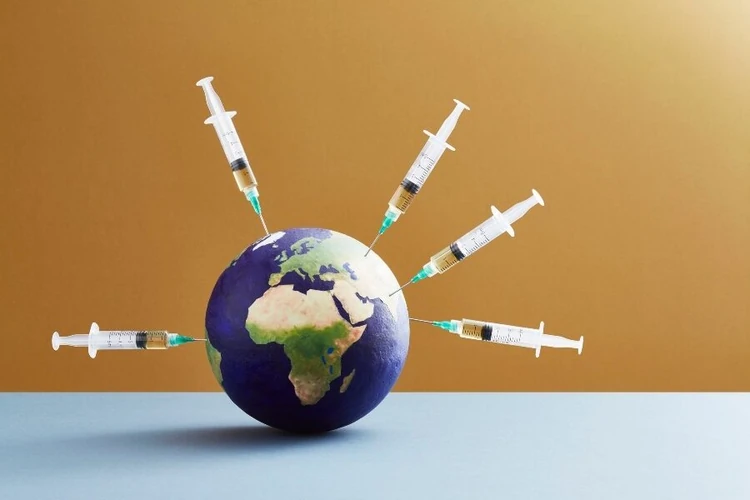
The initiative will provide all of Pfizer's current and future patent-protected medicines and vaccines on a not-for-profit basis to 45 lower-income countries. By taking this step, the company says it could close the health equity gap for more than a billion people.

Rwanda, Ghana, Malawi, Senegal, and Uganda are the first five countries that have committed to joining the Accord. Health officials in these countries will help spot and resolve any hurdles that Pfizer may face so that the company can learn and enhance the rollout in the rest of the lower-income countries.

“As we learned in the global COVID-19 vaccine rollout, supply is only the first step to helping patients. We will work closely with global health leaders to make improvements in diagnosis, education, infrastructure, storage and more. Only when all the obstacles are overcome can we end healthcare inequities and deliver for all patients,” said Pfizer Chairman and Chief Executive Officer Albert Bourla.

The types of medicines Pfizer is providing

Pfizer says its commitment includes 23 medicines and vaccines that treat infectious diseases, certain cancers, and rare and inflammatory diseases. These diseases and conditions affect millions of lives each year in the countries the Accord will serve. As Pfizer develops and launches new medicines and vaccines, it will also make those products available on a not-for-profit basis.

One particular focus will be on Group B Streptococcus, a bacteria that commonly lives in people’s gastrointestinal and genital tracts. The Centers for Disease Control and Prevention (CDC) says the bacteria is not harmful and doesn't make people feel sick most of the time, but it is a leading cause of stillbirth and newborn mortality in low-income countries. Working with the Bill and Melinda Gates Foundation, Pfizer is also discussing opportunities to support Respiratory Syncytial Virus (RSV) vaccine development.

“Everyone, no matter where they live, should have the same access to innovative, life-saving drugs and vaccines,” Bill Gates said. “The Accord for a Healthier World could help millions more people in low-income countries get the tools they need to live a healthy life. Pfizer is setting an example for other companies to follow.”

2019
Article Image

Immune responses to vaccines get weaker with age, researchers say

A new study conducted by researchers from Johns Hopkins University revealed that the body’s immune response to vaccines could become compromised as consumers age. 

The researchers framed the study in the context of women, who were found to respond better than men to the flu vaccine. However, those stats declined as women aged into menopause, prompting the researchers to rethink the specifics when it comes to giving vaccines to older people. 

“We need to consider tailoring vaccine formulations and dosages based on the sex of the vaccine recipient as well as their age,” said researcher Sabra Klein, PhD. 

Understanding immune health

To get a better understanding of immune health and to see how young women are outperforming older women and their male counterparts, the researchers conducted two studies: one on humans and the other on mice. 

For the first study, participants were divided into two groups based on age: those aged 18-45 and those 65 and older. All participants were given the 2009 H1N1 flu vaccine, after which the researchers analyzed their bodies’ immune response to the injection. 

Younger women had the best immune response, as their bodies produced higher levels of the IL-6 protein, which helps the body limit flu-related inflammation and promotes healthy lung function. The younger women in the study also had a better immune response than all men, but the most significant difference was between younger women and older women. 

When it came to the mice, the researchers analyzed very similar results, as young, female mice had the best outcomes after receiving the flu vaccine when compared with male mice and older mice. The researchers determined that sex hormones played a large role in how older male and female mice responded to the flu vaccine, with levels of estrogen and testosterone are significantly altered in later years. 

Moving forward, the researchers hope that healthcare officials use these findings to alter the way older people receive vaccines, as factors like aging and gender play a role in how the body responds. 

“What we show here is that the decline in estrogen that occurs with menopause impacts women’s immunity,” said Klein. “Until now, this hasn’t been considered in the context of a vaccine. These findings suggest that for vaccines, one size doesn’t fit all -- perhaps men should get larger doses, for example.”

The full study has been published in the journal npj Vaccines.

Article Image

World Health Organization releases annual ‘ten threats to global health’ list

The World Health Organization (WHO) has released its annual list of the top ten threats to global health. For the first time, vaccine hesitancy -- which the organization defines as the reluctance or refusal to vaccinate despite the availability of vaccines -- made the list.

"Vaccination is one of the most cost-effective ways of avoiding disease -- it currently prevents 2-3 million deaths a year, and a further 1.5 million could be avoided if global coverage of vaccinations improved,” the health agency said.

The World Health Organization noted that the increase in vaccine hesitancy, fueled by the anti-vax movement, is partly to blame for the recent resurgence of measles.

The reasons for the 30 percent global increase in cases of measles are “complex, and not all of these cases are due to vaccine hesitancy," WHO said. "However, some countries that were close to eliminating the disease have seen a resurgence."

Ten urgent health threats

"The world is facing multiple health challenges,” the organization stated. “These range from outbreaks of vaccine-preventable diseases like measles and diphtheria, increasing reports of drug-resistant pathogens, growing rates of obesity and physical inactivity to the health impacts of environmental pollution and climate change and multiple humanitarian crises."

The following list comprises the group’s ten biggest health threats of 2019:

  • Air pollution and climate change

  • Non-communicable diseases

  • Global influenza pandemic

  • Fragile and vulnerable settings

  • Antimicrobial resistance

  • Ebola and other high-threat pathogens

  • Weak primary health care

  • Vaccine hesitancy

  • Dengue

  • HIV

Air pollution: the greatest environmental risk

The World Health Organization considers air pollution to be the greatest environmental risk to public health in 2019. Last May, WHO researchers found that air pollution kills seven million people each year.

Breathing in fine particles in polluted air can lead to cancer, stroke, and heart and lung disease, the WHO said. The organization estimated that 90 percent of people worldwide breathe polluted air daily.

Climate change also poses a serious risk to human health. An additional 250,000 deaths are expected to occur each year between 2030 and 2050 due to the interaction between conditions such as malnutrition, malaria, and heat stress.