Hot Tub Statistics (2026)

+1 more

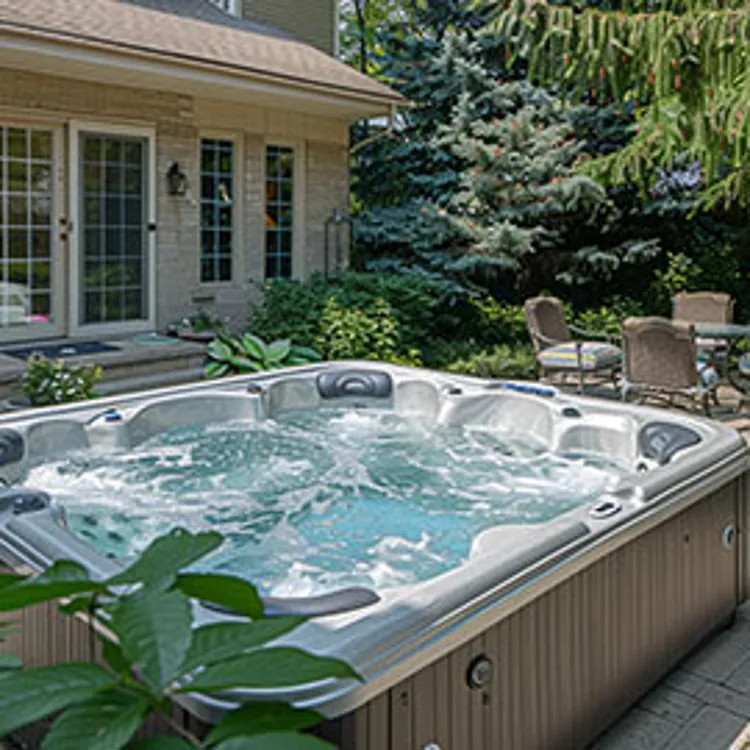
Hot tubs are a symbol of leisure and luxury, and many Americans want to replicate that experience in their own homes. Millions of consumers are seeking to purchase hot tubs and spas, whether for medical benefits or rest and relaxation. Hot tubs are increasingly affordable and come in a variety of types and materials that make them accessible to a wide range of consumers.
Key insights
Americans own approximately 7.3 million hot tubs.
Jump to insightThe base purchase price for hot tubs can range from $330 to over $25,000.
Jump to insightThe global hot tub market size was just under $5.5 billion last year.
Jump to insightWhen selling a home, the return on investment for an in-ground hot tub can reach 50%.
Jump to insightWhile hydrotherapy is beneficial for mental and physical health, to avoid injury and death, hot tub users should take caution and use their hot tubs at the appropriate temperatures for limited amounts of time.
Jump to insightHot tub statistics
There are about 7.3 million hot tubs in the U.S.6 Consumers keep their hot tubs for an average of seven and a half years, and nearly 40% of all newly purchased hot tubs are sold secondhand or given away. Hot-tub-specific retail is a relatively niche industry — currently about 4,500 hot tub retailers operate in the U.S., and the average pool and/or spa retailer employs 32 people. There are approximately 360,700 employees in the U.S. spa industry, and 4,255 employees in the hot tub manufacturing industry. On average, a pool and spa business generates $500,000 per year in revenue.
Hot tub industry statistics
Hot tubs are considered a luxury good, so their market performance is particularly susceptible to fluctuations in the economy, consumer lifestyles, and changes in disposable income. In 2023, the global hot tub market size was $5.48 billion, and by 2029, is projected to reach $6.68 billion. Over half of this market share can be contributed to commercial hot tub customers like spas, resorts, hotels and other leisure facilities.
The top four hot tub companies in the U.S. generate 58% of the market revenue. The Masco Corporation, the parent company for Watkins Manufacturing, which houses brands including HotSpring, Freeflow Spas, Fantasy Spas, and Caldera Spas, has an annual revenue estimated to be over $250 million.
Top 10 hot tub retailers in U.S. by revenue
| Company | Revenue |
|---|---|
| Masco Corp. | $250 Mil. and over |
| Bel-Aqua Pool Supply Inc. | $100 – 249.9 Mil |
| Dynasty Spas | $50 – 99.9 Mil |
| Master Spas, Inc. | $25 – 49.9 Mil |
| Coast Spas Manufacturing Inc. | $25 – 49.9 Mil |
| Marquis Spas | $25 – 49.9 Mil |
| Dimension One Spas, Inc. | $10 – 24.9 Mil |
| Hydro Spa | $10 – 24.9 Mil |
| Phoenix Spas | $10 – 24.9 Mil |
| STM Inc. | $5 – 9.9 Mil |
As a result of the COVID-19 pandemic and beyond, there is a growing trend of consumers wanting luxury amenities in their homes, so the residential contribution to the market share is expected to grow. During the pandemic while leisure facilities were closed, the demand for residential hot tubs skyrocketed, and hot tub sales increased by about 140% between June of 2019 and 2020.
High demand and impacts on global supply chains made it difficult for manufacturers to meet that demand, resulting in a slight temporary dip in sales. However, post-pandemic disposable income is increasing, and the market is rebounding with home remodel requests.
Types of hot tubs
There are a variety of hot tub types to choose from, including portable spas, in-ground tubs, inflatable models, and swim spas that allow for exercise.
- Above-ground: This includes all models of hot tubs and spas that are not built into the landscape. Above-ground hot tubs are portable, lower cost, may have better features, and can be more powerful than other types of spas. However, they are not as customizable as other types of pools.
- In-ground: Often called “custom” hot tubs because they are designed by the customer, these tubs are built into and flush with the ground. Although more expensive and difficult to modify than above ground hot tubs, they can be customized, and are often quieter, as the mechanical equipment can be hidden or buried away from the main tub.
- Portable: Portable hot tubs are above ground pools that have all the mechanical hardware built directly into the unit itself. What they lack in durability, they make up for in lower costs and ease of installation.
- Inflatable: Just like inflatable kiddie pools, these are inflated with air and must be filled with heated water. They are self-contained like portable hot tubs, and start at only $1,000, give or take. However, consumers should expect to sacrifice quality, durability, and comfort, as these types of tubs often don’t have seats.
- Plug and play: These portable above-ground hot tubs can be plugged into a regular household outlet without being modified, unlike other hot tubs, and only pull 110 volts. However, these tubs are harder to heat, with fewer pumps that aren’t as strong as those in other types of tubs.
- Swim-spa: A newer innovation, these are portable hot tubs that are big enough to swim in. Generally, they have a built-in swim lane with a special jet that creates a current that people can swim against. They are multipurpose and often less expensive than a swimming pool.
Hot tub materials
Hot tubs can be constructed from different materials such as acrylic, rotomolded plastic, cedar wood, or even vinyl.
- Vinyl: A durable vinyl layer is laid over a base made of cement or another material. While vinyl tubs tend to be cheaper than acrylic, they are not as durable, and have a harder time retaining heat.
- Acrylic: An acrylic layer reinforced with resin and fiberglass. Acrylic hot tubs are heavier, but more durable than other materials, and have lower energy needs because they retain heat better. They are the most customizable type of hot tub with a wider range of options.
- Rotationally molded plastic: Also called “rotomolded” plastic, this plastic powder helps ensure hot tubs are lightweight, cheaper, and more durable than acrylic. But plastic tubs cannot efficiently retain heat the same way, so consumers should expect to pay more for electricity.
- Wood: While it adds a nice design, wood is expensive, and the mechanical hardware is not self-contained — the tub itself often comes in several pieces. Additionally, these units are often less durable and require more maintenance.
Hot tub cost by material
| Material | Cost |
|---|---|
| Vinyl | $2,000 – $8,000 |
| Acrylic | $2,499 to $19,000 |
| Wooden | $4,829 to $23,995 |
| Rotomolded plastic | $2,500 – $8,500 |
Other hot tub features
Many hot tubs now offer energy-efficient and eco-friendly features like saltwater sanitization systems that use less harsh chemicals, solar heating capabilities to reduce energy costs, and advanced insulation and covers to maximize heat retention and minimize wasted energy.
- Saltwater: Installing a salt chlorine generator adds between $162 and $1,067 to the upfront pool cost. Saltwater hot tubs are a good choice for those with sensitivity to chemically treated water.
- Solar: While purchasing and installing solar heating kits and panels can cost about $2000 to $6000, there are no additional energy costs after the initial investment.
- Energy efficient features: Technology like timers, insulated covers, and advanced filtration systems are increasing in the hot tub market.
Hot tub costs
On average, consumers can expect to purchase a hot tub for $330 to over $25,000, not including installation or maintenance costs. Hot tubs can run owners between $500 and $1,000 per year on maintenance, and $200 to $600 for any large or as-needed repairs. Regarding utilities, hot tubs can cost $10 to $50 in electricity per month and $20 for care and maintenance materials such as chemicals.
Many factors impact the base cost of hot tubs, including the materials used in construction, the size and number of seats, whether it is above or in-ground, indoor or outdoor, and more. Customers are increasingly interested in energy efficiency features like LED lighting, high-efficiency pumps, and better insulating materials that can also become costly.
In the current market, the price of plastic, resin and other materials used for hot tub manufacturing are increasing, and such inflation could trickle down to consumer pricing.
Hot tub cost by type
| Type | Cost |
|---|---|
| Above-ground | $3000-$12,000 |
| In-ground | $5000-$25,000 |
| Portable | $3,000 - $10,000 |
| Inflatable | $329-$1,814 |
| Swim-spa | $10,000-$50,000 |
| Saltwater | $2,661 to $25,062 |
Thirteen percent of homeowners consider their hot tub an investment in their home. The return on investment for a home with an in-ground hot tub is approximately 50% of its value. Above ground pools aren’t usually appraised because they are considered personal property that can be taken with the homeowner when they move.
Hot tub benefits
Hydrotherapy is the use of water in various forms and temperatures to treat bodily ailments, both mental and physical. Hot tubs have been proven to alleviate a wide variety of medical symptoms, including:
- Reduced chronic pain from autoimmune diseases like fibromyalgia
- Decrease in blood sugar for diabetics
- Reduced arthritic pain
- Reduced muscle soreness and injury risk after exercise
- Widened blood vessels which lower blood pressure
Hot tub benefits also include being used as preventative health tools for people with cardiac disease and have been shown to improve lung function in those with obstructed airways.
Eighty-four percent of homeowners say that they mainly use their hot tubs to relax. Additionally, hot tub use has been linked to reduced stress and improved sleep quality. Nearly 45% of hot tub owners use their hot tub right before bed to help them sleep.
Hot tub risks
Hot tubs can pose risks of accidents, burns and stress from excessive temperatures, and the spread of diseases through bacteria and viruses in untreated water.
Accidents
Between 1990 and 2007, more than 80,000 Americans suffered severe injuries in hot tubs or whirlpools, the vast majority of the accidents occurring at home. Swimming pools and bathtub deaths made up 26% of accidental drowning deaths between 1999 and 2010. In children aged 15 or younger, 5% of the nonfatal pool or spa drowning injuries, and 3% of fatal injuries occur in a spa.
Temperature
Experts recommend that hot tub temperatures stay below 104 degrees Fahrenheit, and users should limit their soaks to 15 to 30 minutes. Pregnant women and people with preexisting conditions such as heart disease and seizures should maintain great caution when using hot tubs. Children under five years old, people using medications that cause drowsiness, and those under the influence of drugs and alcohol should refrain from using hot tubs.
Hot tubs raise your entire body temperature, and exposure to heat stress can lead to a 62% to 93% increase in heart rate. This increase in body temperature can have harmful effects on a fetus, especially during early development. Additionally, for individuals with heart disease, the rise in temperature could cause their blood pressure to drop and their heart rate to increase, which may lead to severe cardiac distress.
Heat stress can also trigger epilepsy, which may be fatal and cause drowning if the individual is left alone. Drugs and medications can cause drowsiness, which can lead to drowning, and the combination of overheating and substances can even exacerbate cardiac symptoms.
Disease
There is also the risk of contracting water-borne and other bacteria that cause the stomach flu (norovirus), giardiasis (giardia), and Legionnaires disease (legionella), so hot tubs should be regularly and properly cleaned and maintained.
FAQ
How much do hot tubs cost?
Hot tub costs range from $330 to over $25,000, excluding installation or maintenance costs.
How do I pick the best hot tub for me?
Let us help you find the best hot tub based on price, features, and warranties, and see our top picks for the best models.
Who shouldn’t use hot tubs?
Pregnant women and those with heart disease and seizures should take precautions when using hot tubs. Children under five, those who drink alcohol, and drug users should not use hot tubs.
How long can I soak in the hot tub?
Users should limit their hot tub sessions to 30 minutes or less, keeping the temperature under 104 degrees Fahrenheit.
What are the health benefits of hot tubs?
Reduced chronic pain from arthritis and autoimmune disease, improved lung functioning, better sleep and reduced stress are just a few of the benefits of hot tub use.
Article sources
ConsumerAffairs writers primarily rely on government data, industry experts, and original research from other reputable publications to inform their work. Specific sources for this article include:
- Bullfrog Spas, “Types of Hot Tubs & Hot Tub Information.” Accessed Feb. 15, 2024.
- Verified Market Research, “Hot Tub Market Size And Forecast.” Accessed Feb. 15, 2024.
- Mordor Intelligence, “HOT TUB MARKET SIZE & SHARE ANALYSIS - GROWTH TRENDS AND FORECASTS (2024-2029).” Accessed Feb. 15, 2024.
- HotTubs.com, “Plug and Play Hot Tubs: Understand the Pros and Cons Before You Buy.” Accessed Feb. 15, 2024.
- North American Journal of Medical Science, “Scientific Evidence-Based Effects of Hydrotherapy on Various Systems of the Body.” Accessed Feb. 15, 2024.
- verticalIQ, “Industry Profile Excerpts.” Accessed Feb. 15, 2024.
- Statista, “Number of employees in the U.S. spa industry 2023.” Accessed Feb. 15, 2024.
- United States Consumer Product Safety Commission, “Pool or Spa Submersion: Estimated Nonfatal Drowning Injuries and Reported Drownings, 2023 Report.” Accessed Feb. 15, 2024.
- Cleveland Clinic, “Are Hot Tubs Bad for You? Here’s How To Soak Safely.” Accessed Feb. 15, 2024.
- Bullfrog Spas, “Inflatable Hot Tubs: Questions to Consider.” Accessed Feb. 15, 2024.
- Bullfrog Spas, “Portable Hot Tub & Above Ground Spas Guide.” Accessed Feb. 15, 2024.
- HotSpring, “WHAT ARE HOT TUB SHELLS MADE OF?” Accessed Feb. 15, 2024.
- verticalIQ, “Industry Focus: Dive into Swimming Pool and Spa Retailers.” Accessed Feb. 16, 2024.
- Hot Tub Insider, “Wood Hot Tubs.” Accessed Feb. 16, 2024.
- IBIS World, “Hot Tub Manufacturing in the US - Market Size, Industry Analysis, Trends and Forecasts (2024-2029).” Accessed Feb. 16, 2024.
- Cureus, “Unveiling Lethal Risks Lurking in Hot Tub Baths: A Review of Tragic Consequences.” Accessed Feb. 16, 2024.
- Townley Pool and Spa, “Hot Tub Facts and Stats – What You Need to Know Before Buying a Spa.” Accessed Feb. 16, 2024.
- Northern Lights Solar Solutions, “SOLAR POOL HEATERS.” Accessed Feb. 16, 2024.
- DirectEnergy, “How Much Energy Does A Hot Tub Use?” Accessed Feb. 16, 2024.
- FreeFlow Spas, “Proof is in the Process: Truth about Rotomolding.” Accessed Feb. 16, 2024.
- Pool Magazine, “Hot Tub & Spa Sales Growth Predicted To Continue.” Accessed Feb. 16, 2024.
- PR Newswire, “Hot Tub Survey Discovers Owners Use Personal Spas More Frequently Than Expected.” Accessed Feb. 16, 2024.
- Modernize Home Services, “Best Types of Hot Tubs.” Accessed Feb. 16, 2024.
- Thomas, “Top Hot Tub Manufacturers and Suppliers in the US & Canada.” Accessed Feb. 16, 2024.
- Aquavitas Spas, “Does a Hot Tub Increase Home Value?” Accessed Feb. 16, 2024.
- River Pools and Spas, “Inground Hot Tubs vs Above Ground Hot Tubs: Which is Better?” Accessed Feb. 16, 2024.
- Modernize Home Services, “Portable Hot Tubs: Buying Guide.” Accessed Feb. 16, 2024.
- EpicHotTubs, “How Much Does a Swim Spa Cost in 2024?” Accessed Feb. 16, 2024.
- Cleveland Clinic, “Benefits of Hot Tubs.” Accessed Feb. 16, 2024.