If your home feels drafty, your energy bills keep climbing or your windows are starting to show their age, it’s probably time to replace them. The right windows can make your home more comfortable, quieter and more energy efficient. But finding a company you trust is often the hardest part.
Based on factors like recent customer reviews, window selection, materials and warranties, we rated Renewal by Andersen as the best overall window company. Champion Windows stood out for its warranty coverage, Pella impressed us with its wide selection, and DaBella earned consistently high marks for customer support.
Why trust ConsumerAffairs?
Our recommendations are based on what reviewers say.
4,885,129 reviews on ConsumerAffairs are verified.
We require contact information to ensure our reviewers are real.
We use intelligent software that helps us maintain the integrity of reviews.
Our moderators read all reviews to verify quality and helpfulness.
The ConsumerAffairs Research Team compared window companies on customer reviews, product quality and warranty coverage. We also considered window selection, materials and installation experience to make our top picks for this guide. Read our full methodology below to learn more.
A window update is a major renovation, and the cost of window replacement can be high. To make it worth it, you’ll need to keep a few things in mind when selecting a window replacement company.
After selecting the window company and installer, the first thing to take into account is your location and climate (e.g., how frequently you get extreme temperatures and weather events). You’ll also want to think about your budget (for both windows and installation), energy efficiency factors, warranty coverage, maintenance, and style and color (the fun part).
Key insights
Double-hung windows are the most popular type of residential window. They feature two sashes that slide up and down independently (in other words, both the top and bottom panes can open).
Window replacement cost can range from around $100 to nearly $2,000 per window, depending on material, type, and size. This does not typically include installation.
Windows come in several different shapes, styles and sizes. Depending on the style of your home and your budget, you may have a specific style of window in mind. Typical window options on the market today include:
Double-hung windows: With two sashes that slide up and down independently, double-hung windows are the most popular type of residential window sold today.
Casement windows: Popular on contemporary-style homes, casement windows crank open and are particularly well-suited for hard-to-reach installations, such as in front of a kitchen sink.
Bay windows: These windows project from the house at an angle to provide wide-angle views and architectural interest.
Bow windows: Projecting out from the house in a gentle arch, bow windows provide a panoramic view of the outdoors.
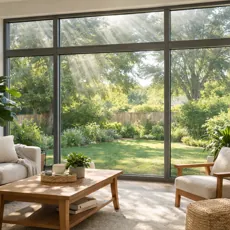
Picture windows: Picture windows are stationary windows that add great views and aesthetic value — but they don’t open. They’re often flanked by narrow casements or double-hung units.
Hopper windows: Tilt-in hopper windows are typically installed in basements and crawl spaces. The narrow sash locks at the top and tips in toward the interior when unlatched.
Types of window frame materials
With windows, material is just as important as style. Window frames are made from vinyl, wood, aluminum, fiberglass, clad or composite materials. Factors such as price, aesthetics, climate adaptation, longevity and energy efficiency vary depending on the window frame material you choose.
Ask the company you’re buying from what material is best for the climate you live in and what’s in your price range. Window materials have come a long way in terms of durability and energy efficiency, and there are several options to choose from.
Vinyl
Vinyl windows are affordable and low-maintenance, and they have good insulation properties and are resistant to rot and insects. Some downsides of vinyl are that there are typically limited color options and they can warp or become brittle over time if exposed to very hot sunlight.
Wood
Windows made from wood can be on the pricier side, but they can give your home a traditional appearance, and you can paint or stain wood windows to match the aesthetic of your home. They also offer great insulation. Before selecting wood windows, know that they require regular maintenance and upkeep to ensure they aren’t ruined by rotting or insects. With the proper care, though, wood windows should last a long time.
Aluminum
The main advantages of aluminum windows are that they’re more affordable than wood, lightweight, durable and easily customizable. However, many choose not to use aluminum because it isn’t a great insulator and doesn’t hold up to heat.
Fiberglass
Fiberglass windows mimic the look of wood, but they’re more low-maintenance. Fiberglass has one of the highest insulation ratings, making it very energy efficient. These windows also have thinner frames and hold up well in extreme temperatures. Keep in mind that fiberglass will typically have a higher upfront cost and that installation can be a little bit trickier due to the material being rigid.
Clad
Wood-clad windows give you the look of wood windows without the upkeep. They’re solid wood frames with aluminum, fiberglass or vinyl cladding or coating. Clad windows are low maintenance, customizable and durable. However, they’re more expensive than others.
Composite
Composite windows are another high-cost option. Like clad, they combine materials to create a more durable window frame. They’re made from a combination of wood, metal and vinyl. Composite windows are energy efficient and resistant to rotting and warping.
Window replacement cost
The cost of window replacement can vary greatly depending on your specific needs. A single window can cost anywhere from around $100 to close to $2,000, depending on the material and size. Multiply that cost by the number of new windows your house needs and the price will quickly add up.
Here’s an overview of what you can expect to pay for each type of window.
Window material
Cost (per window)
Vinyl
$200 to $600
Wood
$300 to $1,000
Aluminum
$400 to $1,200
Fiberglass
$500 to $1,500
Window type
Cost (per window)
Single-hung windows
$150 to $400
Double-hung windows
$300 to $850
Casement windows
$300 to $1,000
Bay windows
$800 to $2,400
Picture windows
$400 to $1,200
There’s a lot of misleading cost advice out there, according to Andrii Gurskyi of Mr. Glazier, a window replacement company in New York. “Most sources don’t include installation costs,” he said. “This leads to surprise costs for customers.”
You can expect to see a difference in the cost of standard sizes versus custom sizes.
“The starting price for a custom window is no less than $400, plus installation costs of a minimum of $350 per window,” Gurskyi said.
Whether you go with standard or custom sizes, installation costs are likely to be the same — and they very much depend on the cost of labor in your area. Gurskyi emphasized the huge range in window costs: “Based on average prices in the New York City market provided by contractors, the cost of replacing a single window ranges from $700 to $3,000.”
Note: These are just estimates; homeowners should get multiple quotes for a more accurate cost analysis.
Keep in mind that New York City is costlier in general than rural areas due to higher labor, transportation, storage and parking costs. Costs also tend to be higher in places that see severe weather conditions because of the need for sturdier materials and specialized installation techniques, Gurskyi said.
Other factors that affect the cost of replacement include the window material, style and size. Wooden windows tend to be the most expensive, while vinyl is the most affordable. Edie, the homeowner in Michigan, paid $2,000 (not including installation) for six vinyl windows that were all the same size: 34 inches by 62 inches. She opted for vinyl because she “wanted well-insulated, double-paned, double-hung” windows.
Several elements influence the overall cost of replacing windows. Homeowners should consider the following factors:
Material: Different materials like vinyl, wood, fiberglass and aluminum have varying price points.
Size: Larger or custom-sized windows cost more than standard-sized ones.
Type and style: Specialty designs such as bay or bow windows are more expensive than double-hung or casement windows.
Glass options: Double-pane, triple-pane and energy-efficient glass can increase the cost.
Installation complexity: Hard-to-reach areas or complicated installations add labor costs.
Location: Labor and material costs vary by region, with urban areas typically charging more.
Upgrades: Additional features like impact resistance, UV protection or soundproofing will increase prices.
How to choose a window company and installer
To find the best window companies in your area, ask around — referrals from local friends and neighbors are best because you want an installer familiar with local building codes.
What to consider when choosing windows for your home
Choosing the right windows for your home is a balance of functionality, aesthetics and long-term value. Start by assessing your home’s architectural style — modern, traditional or a mix — and choose window designs that complement it. Energy efficiency is also crucial. Look for windows with an energy-efficient certification to help reduce heating and cooling costs.
Consider how much ventilation you need in each room. Operable windows like casement or double-hung styles work well in living spaces, while picture windows are better for areas where ventilation isn’t as important. Evaluate the durability and maintenance requirements of different frame materials based on your climate and lifestyle. For example, vinyl and fiberglass offer low maintenance, while wood provides a classic look but requires regular upkeep.
Finally, think about natural lighting and views. Larger windows or designs like bay and bow windows can make spaces feel more open and bright. Don’t forget to factor in noise reduction if you live in a busy area — double- or triple-pane glass can make a big difference. Taking time to carefully evaluate these factors will ensure you make a choice that enhances both the beauty and functionality of your home.
Energy-efficient windows
Energy-efficient windows are designed to reduce heat loss in the winter and heat gain in the summer, helping homeowners lower energy bills and improve indoor comfort. They use advanced glass, coatings and frame materials to better control how heat and air move through the window.
Pros
Lower heating and cooling costs
Improved indoor comfort and more consistent temperatures
Reduced drafts and outside noise
Potential tax credits or rebates
Increased home value and buyer appeal
Cons
Higher upfront cost compared with basic windows
Some upgrades may have longer payback periods
Limited availability for certain styles or historic homes
What to look for
To help you get a better idea of which energy-efficient windows will work for your home, compare these key performance factors.
Air leakage measures how much air passes through the window assembly. Lower air leakage ratings mean fewer drafts and better overall energy performance.
Visible transmittance indicates how much natural light passes through the glass. Higher visible transmittance means brighter rooms, but can sometimes increase glare.
Condensation resistance shows how well a window resists moisture buildup on the interior glass. Higher ratings reduce the likelihood of condensation, mold and water damage.
U-factor or U-value rates how well a window prevents heat from escaping. Lower U-factor values indicate better insulation and are especially important in colder climates.
Solar heat gain coefficient measures how much solar heat passes through the window. Lower values help keep homes cooler in hot climates, while higher values can be beneficial in colder regions.
When to replace your windows
The consensus among installers and manufacturers is that replacement windows last 20 to 30 years. How long yours last depends on a number of factors, including the material they’re made of, weather conditions, how often you use the windows and how well you maintain them.
Vinyl windows require the least care and stand up to the harshest cold-weather conditions, but wood windows can last just as long with proper care.
Signs that it’s time for replacement windows include the following:
Loss of structural integrity
Loss of functionality
Notable airflow when closed
Shabby appearance
Condensation
Noise
Understanding window warranties
Window warranties will vary from manufacturer to manufacturer, but they typically cover signs of wear and tear or deterioration within a specific time frame.
For example, the manufacturer may guarantee that the windows they sell will last 15 years. If something malfunctions or breaks before that time is up, the warranty will cover it.
Some warranties cover parts, hardware and labor; others won’t. Some cover glass and others don’t. The lifetime coverage for some windows may be longer than others, depending on the quality or material of the windows.
Questions to ask
Beware that the wording of warranties can get confusing — here are some questions to ask the manufacturer before you purchase your windows:
What is the length of the warranty?
What is covered in the warranty? Is installation covered?
How quickly will someone be able to come to fix the problem?
Is there a service fee for someone to come out to fix the window?
Can the warranty be transferred if I sell my house?
Maintenance tips for extending the life of your windows
Proper maintenance can significantly extend the life of your windows, saving you money on premature replacements. Here are some practical tips to keep your windows in excellent condition:
By incorporating these maintenance steps into your routine, you can help your windows maintain their functionality and appearance for years to come.
Regular cleaning: Clean window panes and frames with a non-abrasive cleaner to prevent dirt buildup. Avoid harsh chemicals that can damage the glass or frame material.
Inspect seals and caulking: Check for cracks or gaps in the seals around your windows. Reapply caulking as needed to maintain insulation and prevent water intrusion.
Lubricate moving parts: Use a silicone-based lubricant on tracks, hinges, and locks to keep them functioning smoothly and to prevent rust.
Check for damage: Periodically inspect windows for cracks, chips, or warping, especially after severe weather. Addressing small issues early can prevent bigger problems down the line.
Repaint or stain wooden frames: For wood-framed windows, apply a fresh coat of paint or stain every few years to protect against moisture and UV damage.
FAQ
What kind of windows are the most energy efficient?
According to the U.S. Department of Energy, the most important factor for energy-efficient windows is the glazing. While vintage windows were single-glazed, new replacement windows are available with double- and even triple-glazed options (also referred to as double-pane or triple-pane windows).
An easy way to make an energy-efficient choice when shopping is to look for the Energy Star label. You may also be eligible for a tax credit after you purchase Energy Star-certified windows.
Should I replace all my windows at once?
If you can afford the upfront cost, there are benefits to replacing your windows all at once. If all the windows look the same, your curb appeal is likely to shoot up, and the windows will age at the same rate.
It will also save you money. The cost of a window replacement project typically includes structural repairs to rotted frames, insulation and waterproofing, and it’s more efficient to tackle these as a single project. Then there’s the disposal of construction debris and other cleanup costs. When you replace windows piecemeal, you pay these costs multiple times.
If it’s not in the budget to replace windows all at once, break the project up. Replace ground-floor windows in round one and second-story windows a few years later. Or, if curb appeal is your goal, do the front windows first. And if only one or two windows are giving you trouble, it might make sense to get a quote from a handyman.
Should I hire a company to replace my windows?
You can pay the company you purchase to do the installation, or you can hire a general contractor. The best option for you depends on your project.
If your replacement windows are the same size as the old windows and if you’re not dealing with major construction issues, such as wood rot or leaks, a window installation company certified by the manufacturer should have the technical expertise to do the job right — plus you can count on the company to return if there’s a problem.
However, if there are larger construction issues with your home or if you’re changing the configuration of window openings, it could make sense to hire a trusted contractor to take care of everything. The main priority is to ensure whatever installer you hire is licensed and insured and has the experience and skills to do the job. Ask friends and neighbors for referrals, check reviews online, and get references before signing a contract.
When do windows typically need replacing?
Windows last from 20 to 30 years. The climate you live in, the window material and how well you maintain them will play into the overall life span.
Can window replacement increase my home’s resale value?
Yes, replacing your windows can boost your home’s resale value. High-quality windows improve curb appeal, lower energy costs and provide better insulation, all of which are attractive features for potential buyers.
How much does a typical replacement window cost?
Costs vary widely depending on the style, size, frame material, and local labor rates. Standard single- or double-hung vinyl windows may cost a few hundred dollars each, including installation. Custom sizes, specialty materials like wood or fiberglass, or complex designs (e.g., bay or bow windows) can push the price over $1,000 per window. Request written quotes from at least two or three professional installers for the most accurate estimate in your area.
Which window material lasts the longest?
Fiberglass and composite window frames tend to last the longest, often 30 to 50 years, because they resist warping, rotting and corrosion. Wood windows can also last decades with proper maintenance, while vinyl typically has a shorter life span.
What windows add the most home value?
Energy-efficient windows with double- or triple-pane glass add the most value, especially when they match the home’s architectural style. Double-hung windows are a popular choice because they appeal to buyers and work well in many types of homes.
How do I compare window quotes?
Compare window quotes by looking beyond the total price. Check what materials, glass options and warranties are included, whether installation and disposal are covered, and if the windows are standard or custom sizes. Make sure each quote reflects the same scope of work.
How long does window installation take?
Installing a single window usually takes about one to two hours. Most full-home window replacement projects can be completed in one to three days, depending on the number of windows, installation complexity and weather conditions.
Disclaimer
Information in this guide is general in nature and is intended for informational purposes only; it is not legal, health, investment or tax advice. ConsumerAffairs.com makes no representation as to the accuracy of the information provided and assumes no liability for any damages or loss arising from its use.
Methodology: How we picked the best window companies
The ConsumerAffairs Research Team evaluated window companies using a structured scoring model. We assessed several metrics across three core areas: customer experience, product selection and quality, and warranty coverage and value.
1. Customer experience (based on verified reviews)
Review data reflects verified feedback submitted to ConsumerAffairs between May 1, 2023, and April 30, 2026. In addition to measuring recent review activity and company responsiveness, we measured satisfaction with:
Staff
Punctuality and speed
Installation and setup
Customer service
Pricing
We also evaluated how actively companies engage with customers and maintain a recent track record, including review volume in the past six months and response rate to recent reviews.
2. Product selection and quality
We evaluated the variety and quality of window products available, including:
Types of windows offered
Available frame materials, such as vinyl, fiberglass, wood and composite
Specialty and customizable window options
Overall product durability and long-term value
3. Warranty coverage and long-term value
We evaluated warranty coverage and related factors that may affect long-term ownership costs, including:
Length and scope of warranties
Installation warranty coverage
Manufacturer backing and transferability
How scoring works
Companies earned a zero to 10 score for every metric:
The top-performing company for each metric earned a 10.
Other companies were scored relative to that leader.
This scoring system lets us compare both customer feedback and objective product data on the same scale.
How winners were determined
All companies were evaluated using the same set of metrics, but each award category uses different weightings depending on what the designation highlights.
For example, Renewal by Andersen is “best overall” because it scored highly across nearly every category, including installation, customer service and pricing satisfaction. “Best customer service” places greater weight on customer service, installation experience and responsiveness. “Best window variety” prioritizes the range of styles and available materials.
Guide sources
ConsumerAffairs writers primarily rely on government data, industry experts and original research from other reputable publications to inform their work. Specific sources for this article include:
Specializes in shower conversions and full bathroom remodels. Services for windows, siding and roofing also available. Custom design and installation provided. Free consultations.
Offers free all-inclusive quotes and consultations. Emphasizes cold-weather installation to reduce energy loss. Provides limited lifetime warranty and coverage at no additional charge.
Specializes in natural disaster resistance. Offers free quotes on a wide selection of windows and doors. Includes four financing options ranging from 37 to 132 months. Exclusive outdoor enclosure options. Offers lifetime warranty.
Connects homeowners and renters with home improvement specialists for free. Average home improvement job costs between $120 and $6,000. Includes damage protection guarantee up to $500,000. Online booking available.
Offers do-it-yourself window options, guides and manuals online. Recommends partnering with a local contractor. Cost is based on style and purchase options. No professional installation. Offers limited lifetime warranty.
Offers Simonton, PGT, SoftLite and Andersen windows. Financing with 0% interest for qualifying buyers. Purchases include a lifetime warranty on products and labor. Provides installation. Available in central Florida.
Sells and installs baths, showers, hurricane windows and doors, kitchen counters, cabinets and roofs. Offers financing and warranties on all products. Serves only Florida residents. Determines pricing upon consultation.
Specializes in replacement windows and doors. Includes other home improvement options such as roofing and gutters. Offers a lifetime plus warranty. Available in New York, New Jersey and Connecticut.
Online supplier and installer of windows and doors. Works with homeowners and professionals. Online and phone ordering available. Free measurements with every purchase. Installation included for added cost.
Specializes in energy-efficient home products. Engineered materials for weatherproof windowing and door installations. Operates mainly around Kentucky. Financing options available. Offers free-in home demonstrations.
Window manufacturer and installer. Variety of styles, including custom and specialty. Nationwide coverage with more than 200 showrooms. Online, in-person or in-home ordering options. Backed by warranties. Financing available.
Window service provider in the Southern United States. Offers energy-efficient windows. Licensed, bonded, insured and certified for reliable workmanship. Manufactures its own windows. Transferable limited lifetime warranty.
Offers four product lines and a range of window and door options. Sells products through dealers and distributors in the U.S. and Canada. Offers express limited warranties and a five-year international limited warranty.
Replacement window and door company. Offers custom design, build and installation services. 1,500+ style combinations to choose from. 15 showrooms in the U.S. Backed by limited lifetime warranty. Financing available.
Offers custom and energy-efficient windows. Includes a full lifetime warranty. Works with a network across 16 states. Includes guides and educational resources for professional installers. Free selection guide quotes.
Locations nationwide. Offers customizable window and door options. Emphasizes savings and special offers for projects. Free in-home consultations available. Also offers a new virtual viewing feature. 10-year limited warranty.
Operates throughout Rochester and Southeastern Minnesota. Offers low-interest financing and payment options. Provides retractable awnings and storm damage services. Customer referral program available.
Offers diverse window styles and materials. Customizable frame and glass options. Glass breakage warranty. Impact-resistant solutions. Available only throughout the eastern United States.
Pairs homeowners with up to four local contractors. Helps with bathroom, floor, window and roofing projects. Available in 22 markets. A simple online form starts the process.
Offers a wide variety of window types, as well as doors, siding and more. Customizable materials, colors and finishes. Free estimates can be requested via an online form. Over a dozen locations around the country.
Factory-direct manufacturing and installation for vinyl windows and sliding doors. Custom-built products sized for each home. Transferable limited lifetime warranty. No pricing online. Service available in 14 states.