For most folks, June means summertime -- picnics, vacations and outdoors fun.
For those in a handful of states, it's also time to check for dangerous airbag recalls.
Governors in Florida, Texas, Mississippi and Texas have declared June Airbag Recall Repair Month. There are currently more than 7.1 million vehicles on the road with at least one unrepaired, recalled airbag.
A recall of historic proportions
After 14 years, 24 deaths and more than 400 injuries, the United States is still dealing with Takata airbags -- the largest vehicle safety recall in its history.
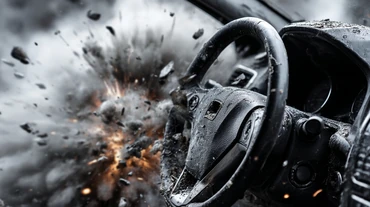
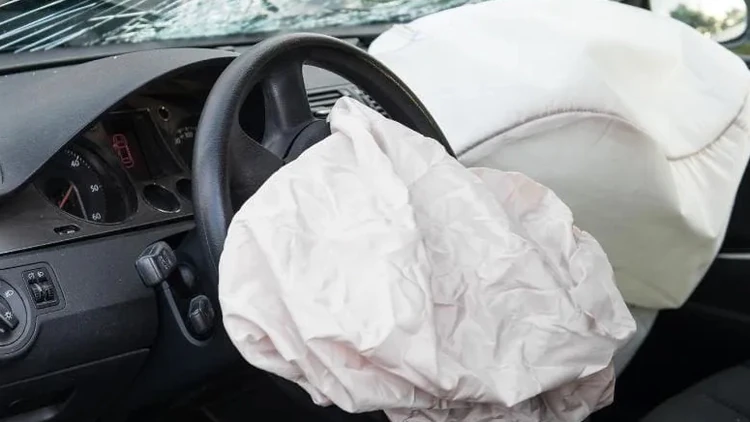
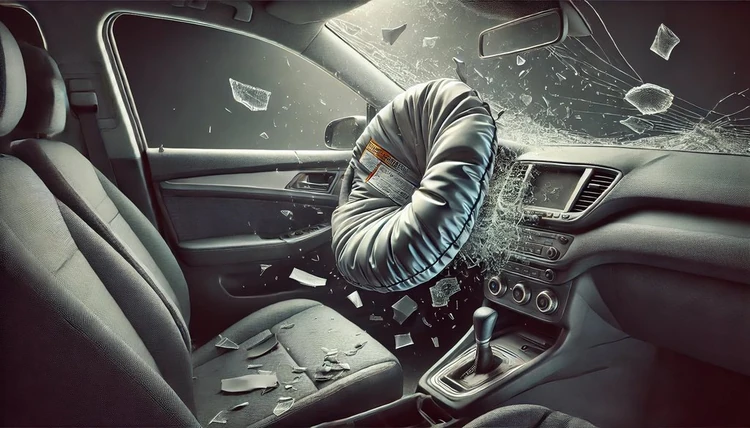
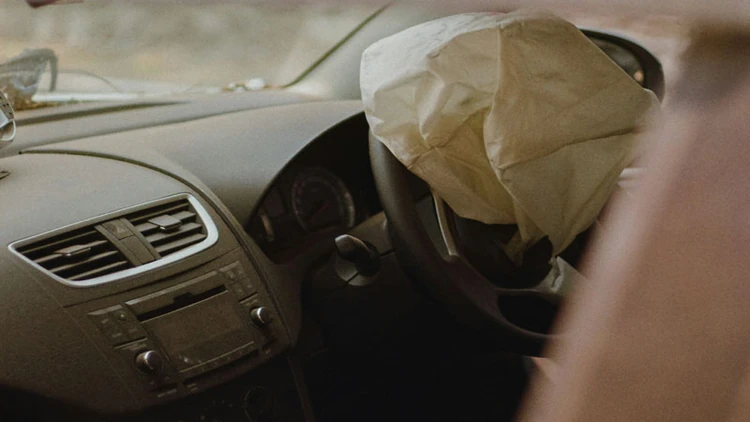
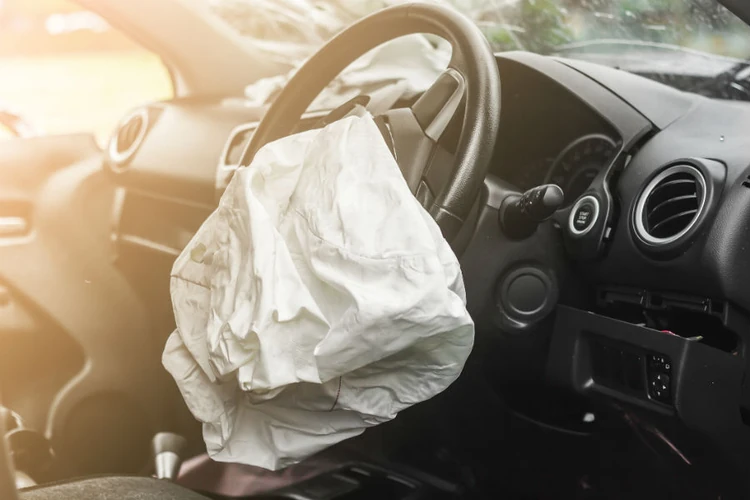
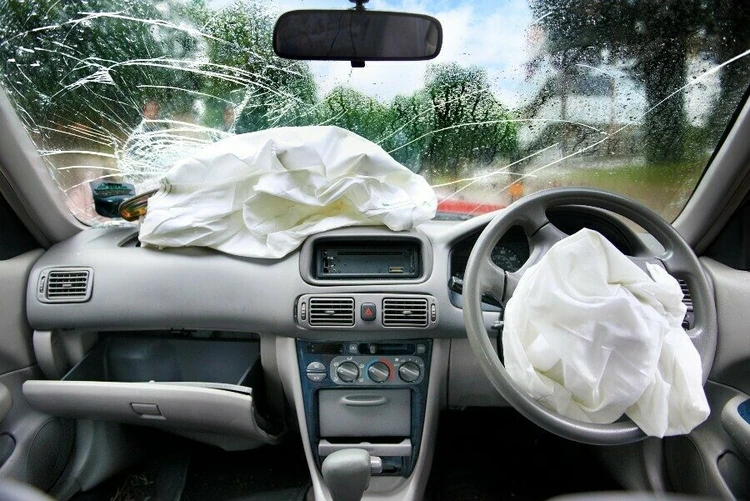
When exposed over time to heat and humidity, these recalled airbags can transform from life-saving devices to life-threatening ones. In a crash, defective airbag inflators can rupture, sending metal shrapnel through the vehicle that can cause serious injury, disfiguration or death.
The campaign, in partnership with local Chrysler, Dodge, Jeep and Ram dealers and other Check To Protect Coalition members, aims to encourage drivers of all vehicles to make safety a priority by taking immediate action to prevent serious injury and death.
If saving your life isn't enough incentive, Chrysler, Dodge, Jeep and Ram are giving away a $50 prepaid Mastercard for airbag repairs made in June.
Driving at risk
Due to a heightened risk of an airbag rupture, owners of certain recalled Chrysler and Dodge vehicles received a notification last November to stop driving their vehicles until their driver-side airbag is replaced. Chrysler and Dodge dealerships may either arrange for mobile repair at a person's home or send a complimentary tow truck.
Vehicle owners in communities of color, rural communities and low-income communities are disproportionately affected, as they are less likely to have the information, flexibility and access to repair recalls
Additionally, many owners of older or used vehicles may not be receiving recall notifications if their current ownership and address are not on file with the state or the automaker.
What to do
Visit CheckToProtect.org and enter a license plate number or Vehicle Identification Number (VIN), which is a 17-character ID found on the driver's side dashboard, side-door or most vehicle registration and insurance documents.
Schedule a free recall repair appointment at a local dealership.
If you have an airbag recall or any other safety recalls, follow the link to find your closest authorized dealership and schedule your repair. Recall repairs are always free at authorized dealerships, regardless of whether you're the registered owner of the affected vehicle.
Repairs can take as little as 30 minutes.
Many dealers provide complimentary transportation while vehicles are being repaired, and others have mobile repair service that bring the airbag repair service to a driver's home.