|
CONSUMER NEWS RECALLS COMPLAINT FORM SCAM ALERTS |
| Small Claims Guide | Class Actions | Lemon Law | FAQ | Resources | Newsletters | Spanish | |
|
|
![]() |
Enough Vaccine & Medicine, Thompson Says |
|||||
|
October20, 2004
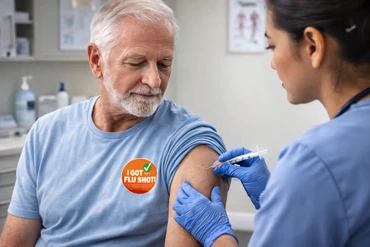
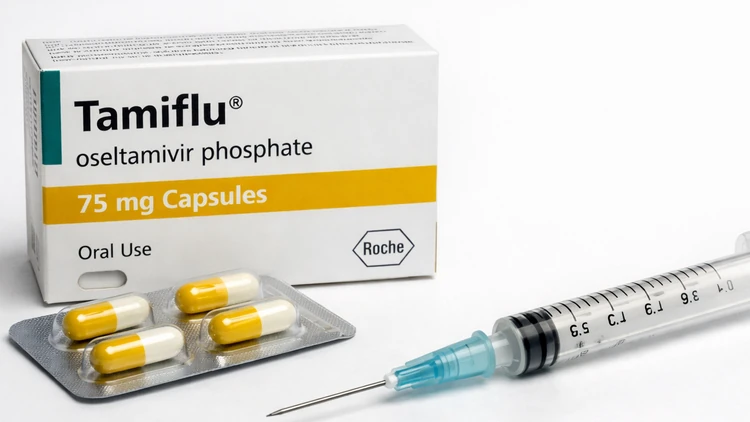
The Centers for Disease Control and Prevention (CDC),meanwhile, issued interim guidance on the use of antiviral medicines for preventing and treating the flu. In addition, the formalization of a federal government task force will help ensure an ongoing coordinated effort to manage the supply of medicine and prevent price gouging. "In addition to the 60 million doses of influenza vaccine, we have healthy supplies of antiviral medicines to help keep you safe from the flu," Thompson said. "While we don't have as much flu vaccine as we planned for, the combination of existing vaccine and antiviral medicines gives us the ability to stave off any harsh effects of the flu." Thompson said the combined supply of influenza vaccine and antiviral medications precludes the need for seniors and others to stand in long lines waiting for vaccine. In addition, about 24 million doses of this influenza vaccine supply has yet to be distributed and will be steered toward the people and places who need it the most. He advised seniors seeking vaccine to be patient and persistent, keeping in contact with their doctors and public health departments. "We are still in the early stages of the flu season, and millions more doses of the vaccine will be shipped in coming weeks, so there is still time to get vaccinated," Secretary Thompson said. "We understand the public's concerns about the loss of the Chiron flu vaccine, but they should know we have a healthy supply of vaccines and medicines to cope with flu season." Thompson said the government is exploring every option to replace some of the lost vaccine from other sources, and said the Bush administration has made unprecedented investments to protect against the flu. Federal Task ForceThompson also announced the formalization of a federal task force that will coordinate our nation's efforts to ensure that the flu vaccine and treatment medication goes to those who need it most and without any price gouging. Thompson said marshalling all the resources of the federal government -- including the health agencies, Department of Justice, Federal Trade Commission, Homeland Security and Veterans Affairs -- will help ensure that all aspects of flu season are being addressed for the American public. The Flu Action Task Force will also continue ongoing partnerships with the private sector in addressing challenges of the flu season, including the public health community, physicians, law enforcement and prosecutors, trade associations and advocacy groups. "From the time we learned about our loss of the Chiron vaccine, a strong partnership between federal agencies, the private sector and the public health and law enforcement communities has helped us rapidly and effectively address the challenges before us," Secretary Thompson said. "It's important that we keep these partnerships strong during flu season, this year and beyond." The problemIn 1994, there were five injectable influenza vaccine manufacturers: Wyeth, Evans (now part of Chiron), Connaught (now part of Aventis), Parke Davis and Lederle; today there are two - Aventis and Chiron. The high risks of complex vaccine production, unpredictable consumer demand and low profit margins, coupled with the lack of liability protection from costly lawsuits, drove many manufacturers out of the flu vaccine business during the 1990s. Getting manufacturers back into the marketplace is further complicated by the length of time for a new manufacturing facility to come on-line - five years or more. The FDA has high standards for flu vaccine production, including good manufacturing processes, which ensure the safety and efficacy of vaccines. These high standards helped keep 46 million doses of contaminated vaccine produced by Chiron from making it into the arms of Americans this year. StockpilesThis administration is the first to create stockpiles of both influenza vaccine and antiviral medications, Thompson said. The department invested $40 million in 2004, and seeks another $40 million in 2005, to stockpile influenza vaccine through the Vaccines for Children Program. It invested $87.1 million to stockpile 2.3 million doses of Tamiflu. And it invested $34 million on Rimantadine capsules to treat 4.25 million adults and Rimantadine syrup to treat 750,000 kids. These stockpiles give the government new ability to protect the most vulnerable, and respond effectively when there is a shortage of vaccine. Pandemic FluIn August, Thompson unveiled the department's draft Pandemic Influenza Response and Preparedness Plan. This plan outlines a coordinated national strategy to prepare for and respond to a flu pandemic. One of the first internal committees the Secretary created when he came to HHS was on the pandemic flu. Report Your Experience
|
|||||
Back to the top | |
||||||
|
Home |
Complaint Form |
News |
Recalls |
FAQ |
|
Terms of Use Your use of this site constitutes acceptance of the Terms of Use
Copyright © 2003-2008 ConsumerAffairs.com Inc. All Rights Reserved. The contents of this site may not be republished, reprinted, rewritten or recirculated without written permission. |
|