Federal and state health officials say they have not yet pinned down the cause of four recent Cronobacter infections but have found no evidence the cases are related.
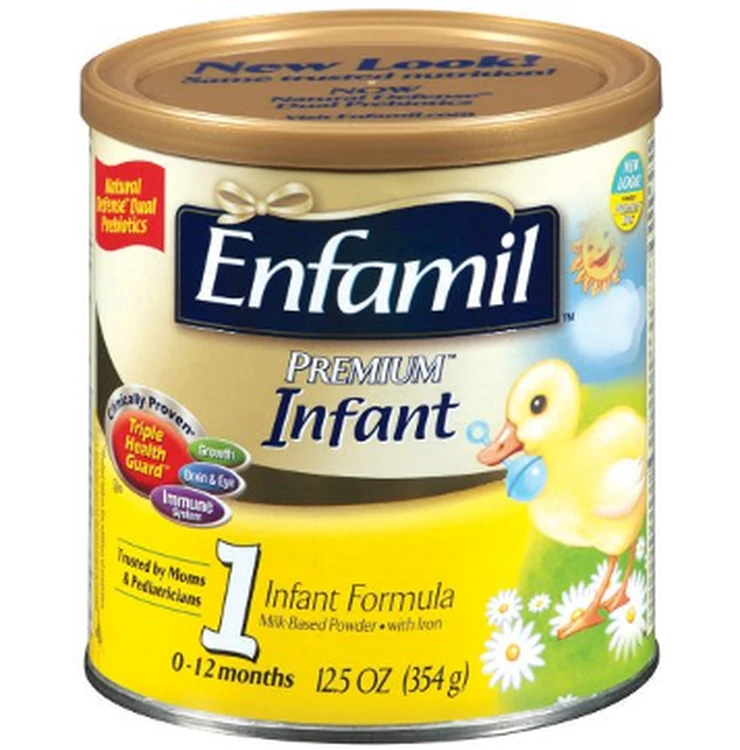
Given the results so far, investigators say there is no need for a recall of Enfamil formula, which had been fed to some of the infected infants. Several major retailers removed Enfamil from their shelves last month after an infant died of a Cronobacter infection in Missouri.
The four recent cases occurred in Missouri, Illinois, Oklahoma and Florida. The infants in Missouri and Florida died, while those in Illinois and Oklahoma are recovering.
Cronobacter causes severe bacterial sepsis or meningitis in infants, which often starts with fever, and usually includes poor feeding, crying or listlessness. It is found in the environment and in hospitals and homes. It can also multiply in powdered infant formula after the powder is mixed with water.
The Food and Drug Administrtion (FDA) said it has inspected the facilities that manufactured the infant formula and the nursery water that tested positive for Cronobacter bacteria and all were found negative.
Retailers reluctant
The findings may be encouraging to retailers, who have been reluctant to put Enfamil Premium Newborn infant formula back on their shelves, even though Mead Johnson Company says its tests have found no problems.
Walmart, Walgreens, Supervalu, Price Chopper and many smaller retailers removed the formula last month after a Missouri infant who had been fed Enfamil died.
Mead Johnson, which manufactures Enfamil, said earlier that it had retested the batch of the formula involved in the infant's death and found no problems.
Cronobacter infections are normally very rare, with only four to six cases reported in a normal year. There were 12 cases in 2011 and authorities say they are not certain if the higher number is the result of raised awareness or if some other factor is involved.
Cronobacter infections can be severe in young infants when they occur in the first days or weeks of life.
Breastfeeding recommended
Health officials recommend breastfeeding whenever possible. When using powdered infant formula, CDC and FDA advise that caregivers make up fresh formula each time they feed the baby and discard any leftovers. In addition, recommendations for how to prepare and use powdered infant formula more safely include:
- wash your hands with soap and water before preparing the formula,
- clean all feeding equipment in hot, soapy water,
- prepare only enough formula for one feeding at a time and give it to the baby right away, and
- follow the manufacturer's directions on the printed label.
Lab results pending
In a joint release, the FDA and CDC said the following results have been confirmed from completed laboratory tests, although additional lab results are pending release:
- CDC's laboratory conducted DNA fingerprinting of the bacteria from two recent cases of Cronobacter infection in infants (Missouri and Illinois). The results show that the Cronobacter bacteria differ genetically, suggesting that they are not related. (Bacteria from cases in Oklahoma and Florida are not available for analysis.)
- CDC laboratory tests of samples provided by the Missouri Department of Health and Senior Services foundCronobacter bacteria in an opened container of infant formula, an opened bottle of nursery water and prepared infant formula. It is unclear how the contamination occurred.
- The FDA tested factory sealed containers of powdered infant formula and nursery water with the same lot numbers as the opened containers collected from Missouri and no Cronobacter bacteria were found.
The FDA, CDC and state agencies continue to investigate the cause of the infections using epidemiological and laboratory methods.