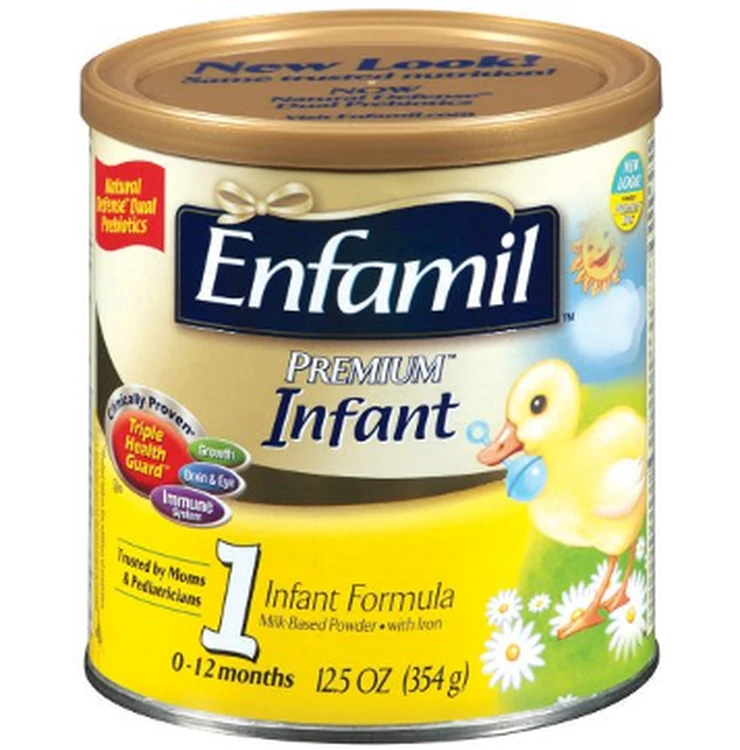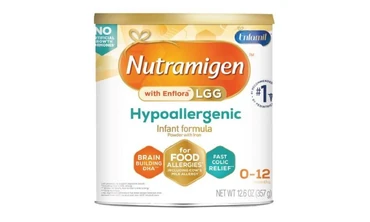
Reckitt/Mead Johnson Nutrition (MJN) is recalling certain batches of Nutramigen infant formula powder.
The product may be contaminated with Cronobacter sakazakii, which can cause severe, life-threatening infections (sepsis) or meningitis (an inflammation of the membranes that protect the brain and spine).
Symptoms of sepsis and meningitis may include poor feeding, irritability, temperature changes, jaundice (yellow skin and whites of the eyes), grunting breaths and abnormal movements.
There are no reports of illnesses or adverse events to date
The following batch codes of the product, sold at retail stores nationwide with a UPC Code of 300871239418 or 300871239456 and “Use By Date” of “1 Jan 2025”, are being recalled:
- ZL3FHG (12.6 oz cans);
- ZL3FMH (12.6 oz cans);
- ZL3FPE (12.6 oz cans);
- ZL3FQD (12.6 oz cans);
- ZL3FRW (19.8 oz cans); and
- ZL3FXJ (12.6 oz cans).
What to do
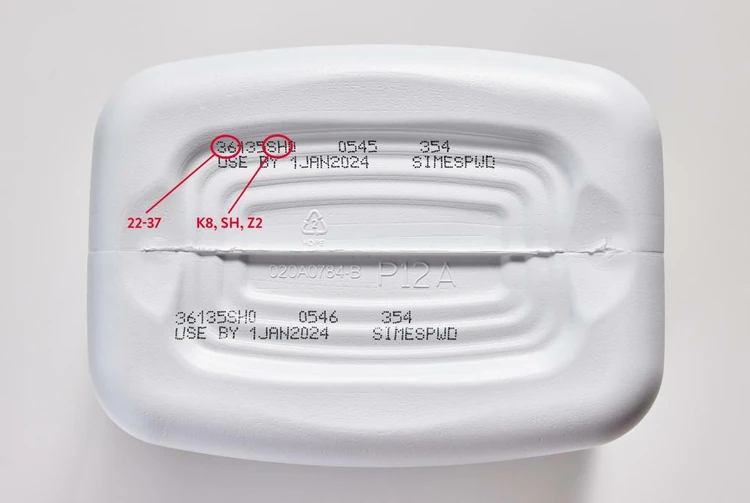
Customers who purchased the recalled product should check the bottom of the can to identify whether the batch number is affected. Any product with the batch codes listed above should be discarded.
Consumers may contact the firm for a total refund at (866) 534-9986, by email at consumer.relations@rb.com for help verifying if the product they purchased was affected or online at https://www.enfamil.com/.
Reckitt/Mead Johnson Nutrition (MJN) is recalling certain batches of Nutramigen infant formula powder.
The product may be contaminated with Cronobacter sakazakii, which can cause severe, life-threatening infections (sepsis) or meningitis (an inflammation of the membranes that protect the brain and spine).
Symptoms of sepsis and meningitis may include poor feeding, irritability, temperature changes, jaundice (yellow skin and whites of the eyes), grunting breaths and abnorm...