+1 more

Best Credit Report Sites
As more consumers rely solely on digital banking, investing and shopping, identity theft has become the norm — an everyday predator that we all must guard against. According to our 2023 identity theft report, recorded cases of identity theft have soared by 584% over the last 20 years.
Among the types of identity theft, credit card fraud was the most common, with 441,822 reported cases in 2022 alone.
One way to protect your finances and your credit from identity theft and erroneous recordings is to receive regular credit reports. Credit report sites make monitoring your credit history fast and simple.
- Our recommendations are based on what reviewers say.
- 4,895,222 reviews on ConsumerAffairs are verified.
- We require contact information to ensure our reviewers are real.
- We use intelligent software that helps us maintain the integrity of reviews.
- Our moderators read all reviews to verify quality and helpfulness.
Read credit report site reviews

Identity Guard offers identity protection, breach alerts, dark web monitoring and $1 million in ID theft insurance, with individual and family plans from $7.50 to $29.99/month.

IdentityForce's UltraSecure individual plan protects your identity, and UltraSecure+Credit adds monitoring and reports from all three credit bureaus. You’ll also get up to $2 million in ID theft insurance, depending on the plan.

Offers free credit monitoring, with no credit card needed at sign-up. Get real-time alerts when there is a change to your TransUnion report. See a snapshot of debt, loan payments and credit utilization on a single dashboard.

LifeLock offers identity theft monitoring, alerts, restoration, credit monitoring and reimbursement of up to $1 million for stolen funds, plus a 60-day money-back guarantee.

Offers Identity Protection, Credit Protection and Total Protection plans ranging from $9.99 to $24.99 per month. Provides email and text alerts, dedicated ID fraud resolution agent and $1 million ID theft insurance.

One of the three main credit bureaus. Register and get a free credit report and FICO Score, free credit monitoring, and a free dark web surveillance report. Boost your score with credit for phone, utility and streaming bills.
Assists homeowners and businesses with financial screening solutions, including credit checks. Performs hard and soft inquiries and can include credit scores if needed. Has over 30 years of experience.

Offers one-time reports and three plans with one- or three-bureau coverage. Each includes FICO Scores, reports, monitoring, $1 million ID theft insurance and identity restoration. Prices range from $19.95 to $39.95 per month.

Online marketplace for financial product comparisons. Compares credit cards, loans, mortgages and more. Free for all users. Free app to track credit score, cash flow and net worth. Available nationwide.

Offers customers free access to their credit reports from all three bureaus once every 12 months. Recommended by the Consumer Financial Protection Bureau. Sponsored by Equifax, Experian and TransUnion.

Part of Experian. Provides free credit report, FICO Score, customer service and credit education. No credit card required for sign-up. Also does free personal privacy scan and shows personalized credit card and loan offers.

Provides free credit reports from TransUnion and Equifax and free VantageScore credit scores. Free credit monitoring service notifies you of changes to your reports, and free ID monitoring searches for potential fraud.

One of the three main credit bureaus. Membership for $24.95 per month includes unlimited score and report access, CreditCompass recommendations for score boosting and email alerts for all three bureaus. Free ID protection.
Owned by Experian. Access your Experian credit report and FICO Score for free, with updates every 30 days. Make disputes online. Find credit resources, answers to FAQs and a comprehensive glossary of credit terms.

One of the three main credit bureaus. Personal plans with reports, scores and ID restoration range from $9.95 to $19.95 per month. Also offers free Core Credit plan with monthly VantageScore and credit report.

FreeCreditScore.com is a company that is owned and operated by Experian. The company offers its customers access to their credit scores for free, and will also provide an Experian Credit Report and FICO Score for $1.

Consumer reporting agency. For banks and credit unions. Regulated by Fair Credit Reporting Act (FCRA). Consumers can request one free copy of their report each year. Available nationwide. Prevents fraud.

Credit Report Sites Buyers Guide
Jump into our guides and start learning
In this guide
Contents
What is a credit report site?
A credit report site is an online platform that provides access to your credit report, which is a detailed record of your credit history, including details about your payment history, credit inquiries and issues that are public record, such as bankruptcies and tax liens.
Credit reports are generated by three major credit bureaus: Experian, Equifax and TransUnion. With a credit report site, you can view and monitor your credit information anytime.
“Understanding your credit report and how it is formulated is important because it can help you avoid getting to a situation where you may have to be working on credit repair,” said Christian Simmons, a certified educator in personal finance and financial writer for Annuity.org.
Regular monitoring will also allow you to spot any potential fraudulent activity or inaccuracies that may adversely affect your credit score.
Types of credit reporting sites
Not all credit report sites offer the same level of reporting. Here are the different types available:
- Single-bureau: A single-bureau credit report provides information from one of the three major credit bureaus. The three credit bureaus don’t always have the same credit information — one bureau might include different portions of your credit history from another.
- Triple-bureau: A three-bureau credit report provides credit reports from all bureaus. This lets you see everything that is reported about your credit and financial history.
- Identity theft protection: Some companies specialize in helping you protect your identity from being stolen, in addition to providing credit reports. Identity theft specialists also assist you if your identity is compromised.
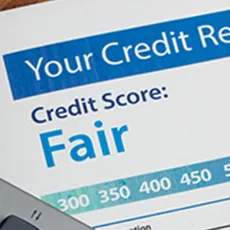
- Credit score sites: Credit score sites provide a credit score, used by most creditors to measure your creditworthiness. In many cases, the score is a FICO score, which commonly ranges from 300 to 850.
» MORE: What is a good credit score?
What is a credit report used for?
Lenders use credit reports to investigate a person's financial records, including borrowing and payment history. It's important to check your credit report regularly for any potential inaccuracies. You should also know how to check your credit score because of its significance when you apply for a loan or rental agreement.
Expect your credit report to be viewed in the following situations:
- Buying a house: Mortgage lenders check your credit report as part of the underwriting process. Having a higher credit score could qualify you for lower mortgage interest rates.
- Getting a personal loan: Personal loan lenders check your credit report during the application process as part of determining your creditworthiness. The lowest personal loan rates are reserved for applicants with the highest credit scores.
- Rental applications: Landlords may check your credit report to see if you have a history of paying bills on time. This can influence whether you're approved for a rental.
- Employment checks: Some employers check credit reports as part of the job application process, although they won't see your credit score. They may want to confirm details about your identity or see if you have a history of financial mismanagement.
- Insurance premiums: Some insurance companies use information from your credit report, along with other factors, to help predict your likelihood of filing an insurance claim. This information can influence the cost of your insurance premiums.
» COMPARE: Best credit monitoring services
Pros and cons of credit report sites
Credit report sites make monitoring your credit report easy and can help you catch errors and fraudulent activity. However, there are some limits to what a credit report site can do, such as providing a comprehensive understanding of how lenders view your creditworthiness or stopping fraudulent activity as soon as it happens.
Reviewer Gerry from Texas said their credit report site always notifies them of any questionable hits. “They have helped me with identity theft and fraudulent charges and accounts, in addition to notifying me about all of the people I have to contact with the appropriate resources,” Gerry said.
Pros
- Convenient: Credit report sites offer a quick way to check your credit report anytime you want, which is especially useful before you apply for a loan or credit card.
- Credit score updates: Many sites also update you on your credit score, making it easier to improve.
- Fraud alerts: Alert services notify you when there's a significant change in your credit report, such as a new account being opened in your name.
- Dispute assistance: Some credit report sites offer assistance with disputing errors on your credit report.
Cons
- Potential delays in reporting: There can be a lag between when a change occurs in your credit status and when it appears on the site.
- Privacy concerns: Some users might have concerns about the privacy and security of their personal information.
- No personalized advice: Some sites might offer general tips for credit building, but they won’t be tailored to your unique financial situation.
- Upselling: Some sites might try to upsell you on paid products or services, such as more frequent credit report updates or identity theft protection.
How to choose a credit report site
While several credit report sites are available, including both free and paid, you will want to choose one that fits your needs.
- How much monitoring do you want and need? A credit report site that pulls from all three bureaus rather than a single bureau will ensure your information is accurate everywhere. Paying more for fraud alerts or identity theft protection can give you peace of mind and the chance to dispute issues when they pop up.
- What is the cost versus benefit of the service? While free sites may provide basic credit reporting, they might not offer additional features such as frequent updates, credit score simulators or identity theft protection. On the other hand, you don’t want to overpay for a service you don’t need.
- How is the user experience and privacy? The site should be easy to navigate and use. It should also have robust data security measures in place. Look for sites that prioritize user data protection and have clear privacy policies detailing how your information is stored, used and protected.
» MORE: How to report identity theft
How to read a credit report
No matter which of the three bureaus you receive your credit report from, they will all include details about your personal information, employer history, credit history, credit inquiries and public records, such as foreclosures or bankruptcies.
It is important to check that all of your information is correct. Something as minor as the wrong initial or an employer you’ve never worked for could mean your credit report is pulling someone else’s information or that there has been fraudulent activity on your credit.
How can you dispute your credit report?
You can dispute an item in your credit report by contacting the credit bureau directly online, by phone or by mail. Credit repair companies and some credit report sites offer assistance disputing credit reporting errors or guidance for restoration after identity theft.
Examples of errors you might find include:
- Missed payments: Missed or late payments reported in error can negatively affect your credit score.
- Fraud: Fraudulent charges or fraudulently opened accounts can lower your credit score.
- General errors: It's possible to find general errors on a credit report that can adversely affect your credit score.
FAQ
When should I check my credit report?
You should check your credit report at least once a year to ensure the information is accurate and up to date. It's also advisable to review your report several months before applying for a major loan, like a mortgage or auto loan, so you can correct any errors that might affect your interest rates.
Can I get my credit report for free?
Yes, you can get a free copy of your credit report from each of the three major credit bureaus through the website AnnualCreditReport.com.
Does checking my credit report affect my credit score?
No, checking your own credit report is considered a soft inquiry and does not impact your credit score. Hard inquiries, which occur when a lender or creditor checks your report, slightly lower your score.
How often should I check my credit report?
If you are working on improving your credit score or are worried about identity theft, using a credit report site will allow you to check your credit report as often as you like. To stay on top of your credit score or identity theft, monthly monitoring is recommended.
Is a credit report the same as a credit score?
Your credit report and credit score, though related, are two different things. Your credit report has information about your past and current credit activity, which is used to calculate your credit score. Keep in mind that your credit report will look slightly different depending on the credit bureau, and there are distinct scoring models from FICO and VantageScore (and variations of each).
Information in this guide is general in nature and is intended for informational purposes only; it is not legal, health, investment or tax advice. ConsumerAffairs.com makes no representation as to the accuracy of the information provided and assumes no liability for any damages or loss arising from its use.
Guide sources
- Federal Trade Commission, “ Free Credit Reports .” Accessed Sept. 25, 2023.
Thanks for subscribing.
You have successfully subscribed to our newsletter! Enjoy reading our tips and recommendations.
Credit report website reviews

Credit Sesame is a credit and loan management company. It offers a free credit monitoring service with monthly credit reports, charts to track your financial health over time, identity theft protection and more. You can also use the service to set financial goals and track your home value.
- Free credit score: You can use Credit Sesame to get a free credit score each month. It takes just 90 seconds to sign up and receive your score through their website.
- Real-time monitoring: Credit Sesame monitors your credit report and sends you alerts if there’s a change. You can also receive alerts if there’s a change in your home value.
- Credit and loan management: Unlike some credit monitoring services, Credit Sesame includes information about your credit cards and loans in your credit report and helps you identify better options.
- Trending charts: Every month, Credit Sesame compiles all your information in a helpful chart so you can see how your financial health is changing over time. The trending chart includes information on your credit score, credit ratios, loan payments and interest rates.
- Free identity theft protection: In addition to credit monitoring services, Credit Sesame offers $50,000 in identity theft insurance for free. They will even help you straighten things out if you are the victim of identity fraud.

Nav is a credit monitoring and financing platform for businesses. You can use Nav’s services to find the best financing options for your company. Take advantage of its 24/7 credit monitoring services to keep your business in top shape.
Privacy Guard is a comprehensive credit reporting, monitoring and identity theft protection service that offers resources to help consumers maintain good credit and repair their credit history.
AnnualCreditReport is authorized by Federal law to provide free credit reports to consumers. AnnualCreditReport.com is a highly respected service offering credit and identity theft information.
CreditReport.com is part of ConsumerInfo.com, Inc. and was founded in 1995. It is an Experian company and a partner of freecreditreport.com and freecreditscore.com as well as many other sites. The site was founded to give consumers fast, low-cost credit profile access.
Experian is a leading global information services company providing data and analytical tools to clients worldwide. The firm helps businesses manage credit risk, prevent fraud and more. The company assists individuals against identity theft. The company offers an abundance of services for individuals and businesses. They have over 17,000 employees in 80 countries.
Equifax is one of the three biggest credit bureaus in the United States. They work with over 800 million consumers and 88 million businesses worldwide. Equifax has grown from a consumer credit company into a multifaceted information company.
TransUnion is a global risk information solutions company. The company is committed to providing the most complete and multidimensional credit information. TransUnion works with businesses and consumers in 33 countries. They have been in business for over 40 years and partner with TrueCredit.com to help millions of customers improve their credit.
Freecreditscore.com is owned and operated by Experian and a member of ConsumerInfo.com family. The company offers membership services to help consumers maintain good credit.
Freecreditreport.com is another member of ConsumerInfo.com family, which is under the Experian Umbrella. The company has been in operation since 1995 and is a membership service that helps with a variety of credit-related needs.