1. Skip to navigation
  2. Skip to content
  3. Skip to sidebar

Consumer Affairs

America Becoming a Net Gasoline Exporter

U.S. demand is down but prices haven't fallen that much


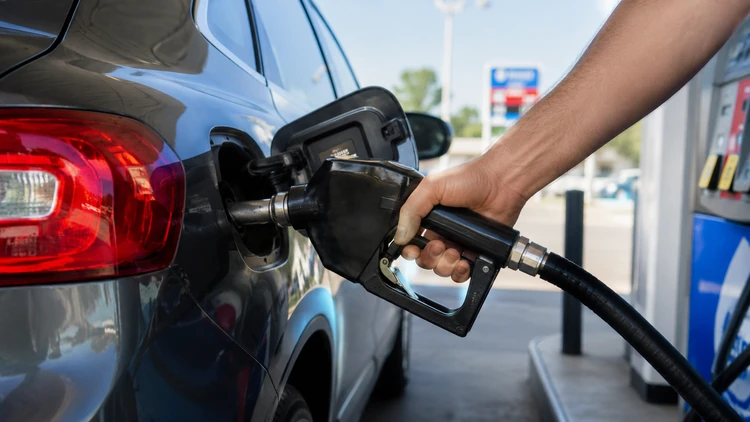
PhotoSince 2005, it seems the energy markets have been turned upside down. In the wake of Hurricanes Katrina and Rita, gasoline prices spiked higher.

It no longer really mattered what OPEC set as the worldwide price of oil - traders on Wall Street and in other financial markets around the world began to set the price. In the six years since, consumers have seen volatile - but mostly higher - prices at the gas pump.

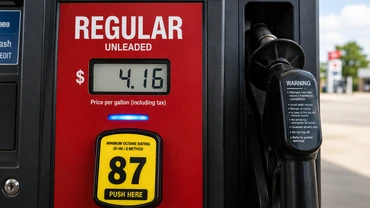
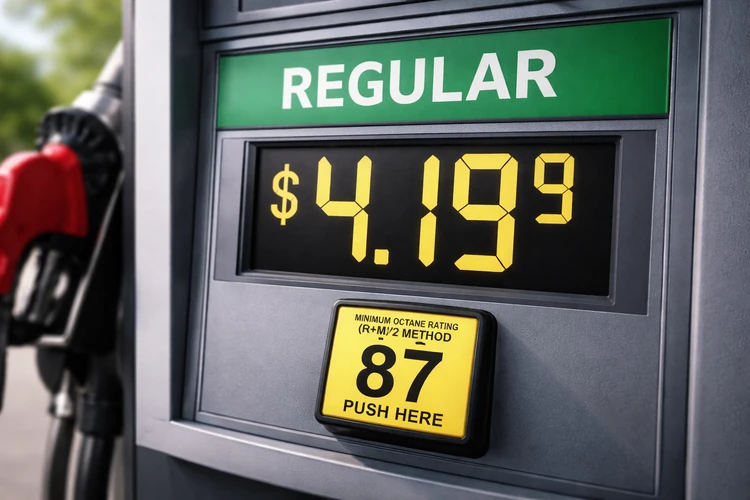
Supply and demand doesn't seem to matter all that much either. For example, U.S. gasoline prices have fluctuated between $3 and $4 a gallon for most of 2011. For many consumers, that seems kind of high, considering prices were as much as a dollar a gallon cheaper for most of 2010.

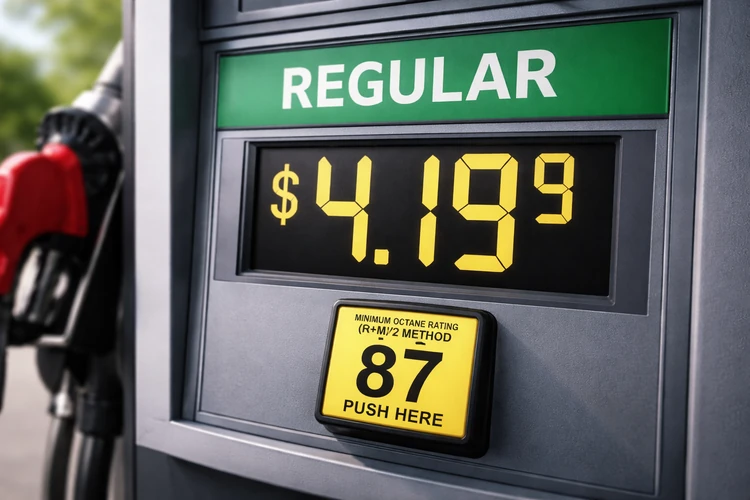
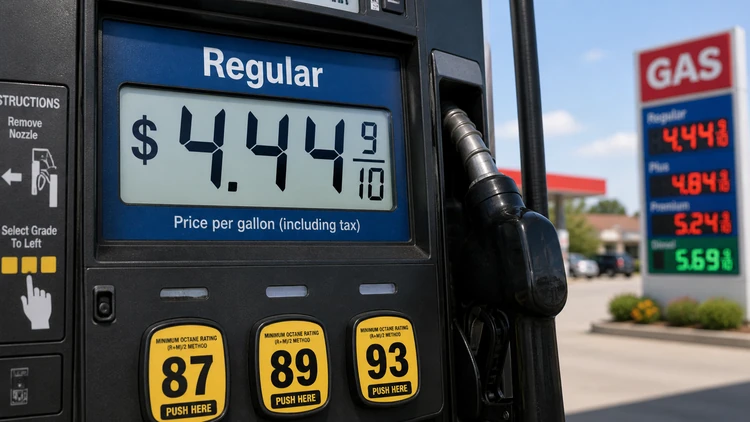
Consider this; even though gas prices have drifted lower over the last few weeks, they are still relatively high for this time of year. For example, the national average price of self-serve regular gas today is $3.275 a gallon, according to AAA's Fuel Gauge Survey. One year ago the average price was $2.951.

Demand continues to go down

But maybe increased demand for gasoline is driving up prices. No, data from the U.S. Energy (EIA) Information Administration reveals just the opposite is true. Consumers have actually reduced their gasoline demand in the face of higher prices at the pump.

So, what's happening to the excess gasoline produced by U.S. refiners? Why isn't the "glut" driving down the price of fuel? Because there is no "glut." U.S. refiners have increased their export of refined gasoline to other countries.

They keep just enough gasoline in the U.S. to meet domestic demand. That also keeps prices from going down.

89 million barrels in exports

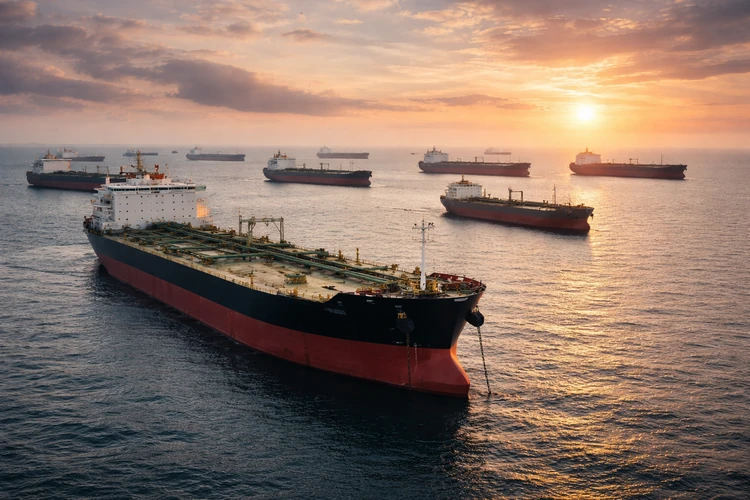
The EIA reports that in the first nine months of this year, U.S. refineries exported a net total 89 million barrels of gasoline, mostly to Brazil and other Latin America countries. That total is expected to increase when fourth quarter numbers are included.

This might make consumers hot under the collar, but industry analysts say it just points up the big changes a global economy has brought to energy markets. U.S.-based refineries sell their products all over the world, not just the U.S.

The refineries, for the most part, are owned and operated by multi-national corporations that consider the world their market. The refineries just happen to be located in the U.S.

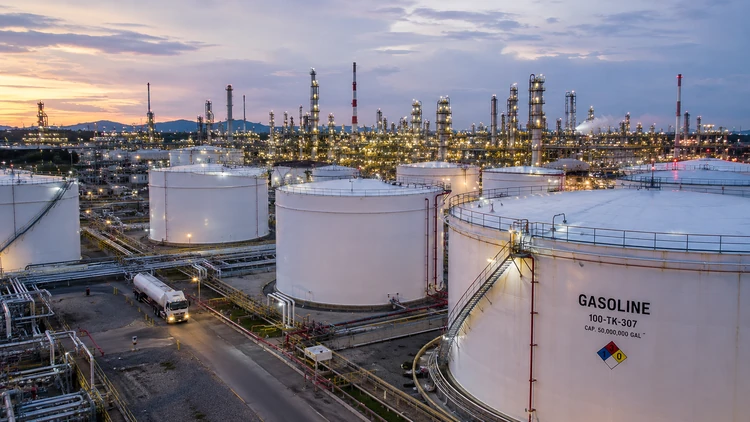
This is where the refineries are

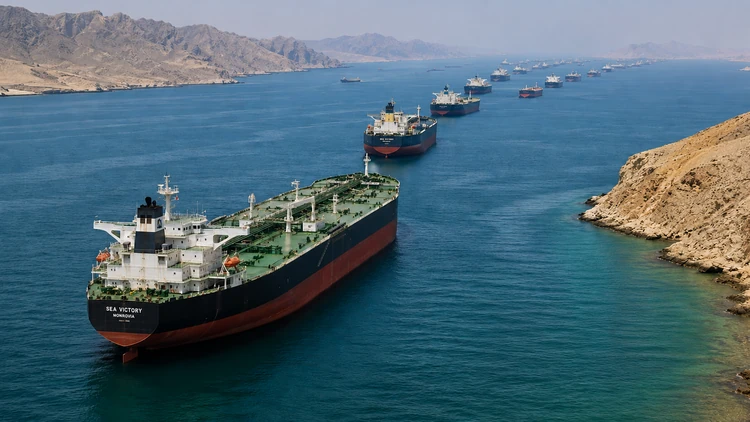
Increasingly, they import oil into the U.S. for the sole purpose of refining it into gasoline to sell elsewhere in the world. They do that, analysts say, because the U.S. has more refining capacity than most other countries. This is where the refineries are.

In the future, U.S. refineries might increase their output of gasoline, directing more of it overseas. That would help the economy, create jobs and improve America's balance of trade deficit, economists say.

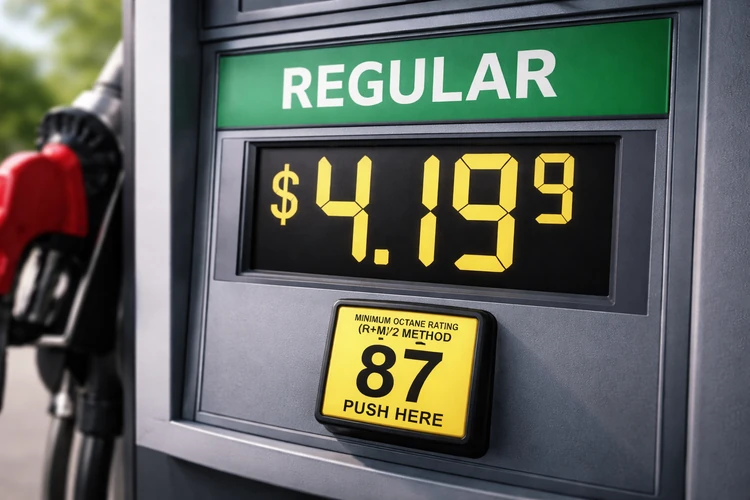
But if prices at the pump surge back to $4 a gallon next year, as some analysts predict, it may be hard to convince consumers that they're seeing a benefit from U.S. exports of gasoline.


Share your Comments

Please enable javascript to comment on this page
Joseywalesful Daniel (Tue, 06 Dec 2011 17:26:25 +0000): DEVELOPING STORY CNN: WHITE HOUSE DOMESTIC ENERGY POLICIES LEADING TO RECORD GASOLINE EXPORTS.
Joseywalesful Daniel (Tue, 06 Dec 2011 17:32:40 +0000): I smell a CORRUPT federal government goon Steven Chu Department of Energy RAT holding Gasoline pump prices artificially high to syphon-off wealth from hardworking American citizens.
Carrol Maxwell (Wed, 07 Dec 2011 00:03:29 +0000): What a pile of s---! What can be done about this? Anybody have a logical answer?
Boyd Sewell (Wed, 07 Dec 2011 00:22:02 +0000): I refer you to the work of Irving Fisher, commonly known as the greatest economist in American history, and his theories on the benefits of multinational trade and international markets. As they taught me in my MBA courses, in the long run these markets result in the greatest good for the greatest number of people. Of course some people do pay more than they would if the old protectionist markets were allowed to exist. You need to talk to my sister who has seen gas prices in the $8 to $12 a gallon range. Most of that is taxes and Obama would love to be able to raise our gasoline taxes so we were paying the prices seen overseas.
Boyd Sewell (Wed, 07 Dec 2011 00:22:28 +0000): Oh, I forgot, can you recommend a good hair conditioner?
Carrol Maxwell (Wed, 07 Dec 2011 01:57:18 +0000): Herbal Essences is a good conditioner. I know about the high price of gas oversea & all the islands. People walk or ride bikes. Lots of skinny people over there!
Boyd Sewell (Wed, 07 Dec 2011 02:12:28 +0000): The hair conditioner is a joke I am playing on my wife. She says my posts are too cerebral and I should post about topics which interest most people. In Asia Judy took pictures of an entire family on one small motorbike, I think there were 7 of them riding with no helmets.
Judy Rouse (Wed, 07 Dec 2011 11:16:57 +0000): Boyd Sewell We daily saw families of 4 or 5 on a motorbike. The photo of 7 on a bike must have broken some kind of record. I always worried about those infants being crushed between the parents if there was a wreck. But those people drive slowly and we never once saw a wreck. As to the topic of this article, exporting the refined gas really is not a bad thing for the reasons stated in the article. What needs to happen is for gasoline prices to increase in the USA and assist in driving down USA demand.
Bill Jones (Wed, 07 Dec 2011 01:16:39 +0000): Exporting Gas... WTF!
Phillip Do (Wed, 07 Dec 2011 02:35:42 +0000): export oil/ WTF.
West Geo (Wed, 07 Dec 2011 21:21:27 +0000): You folks don't seem to understand the difference between crude oil and gasoline. Refining is manufacturing. We are exporting manufactured products and that is good. Refinerys employ people and bring money into the country when they export. We still import MOST OF THE RAW MATERIALS (oil) to make those products. That part loses jobs and sends money out of the country. If the oil came from here, that would make more jobs and wealth here. Look at it this way: If a shoe factory was selling locally and exporting also would you demand that they not export, to keep the cost of shoes down? That would lose jobs, lose a source of foreign income (since all those foriegn buyers would buy shoes from another country) and make the factory less cost efficient. Cost of shoes would rise.
Quantcast