1. Skip to navigation
  2. Skip to content
  3. Skip to sidebar

Consumer Affairs

Why High Gas Prices Haven't Caused Inflation

Economists find big difference between now and the 1970s


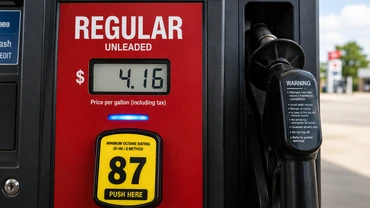
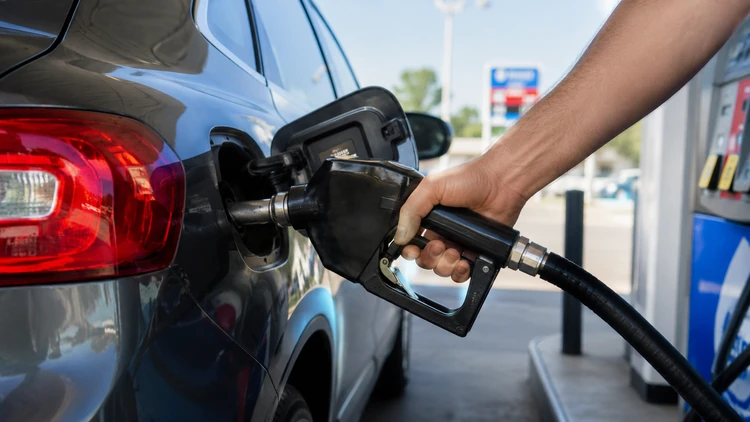
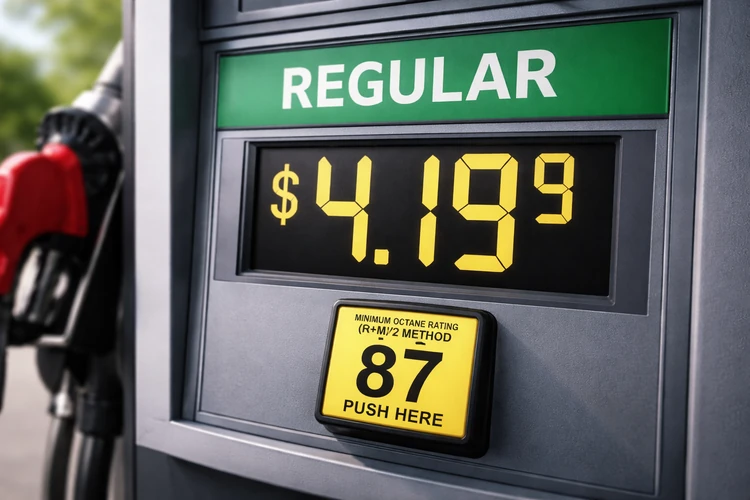
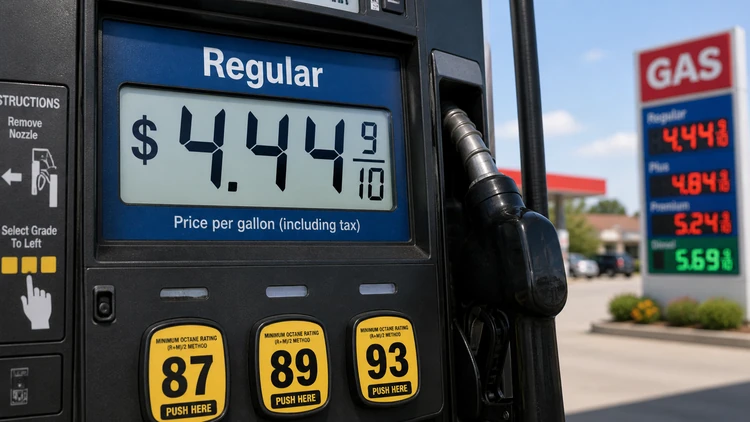
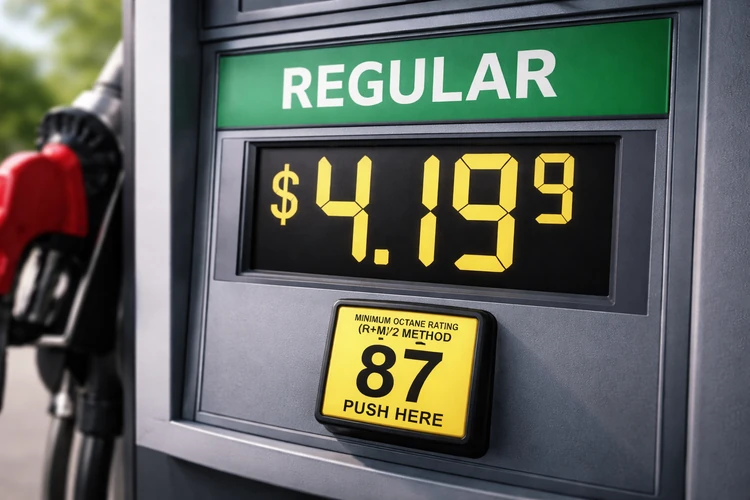
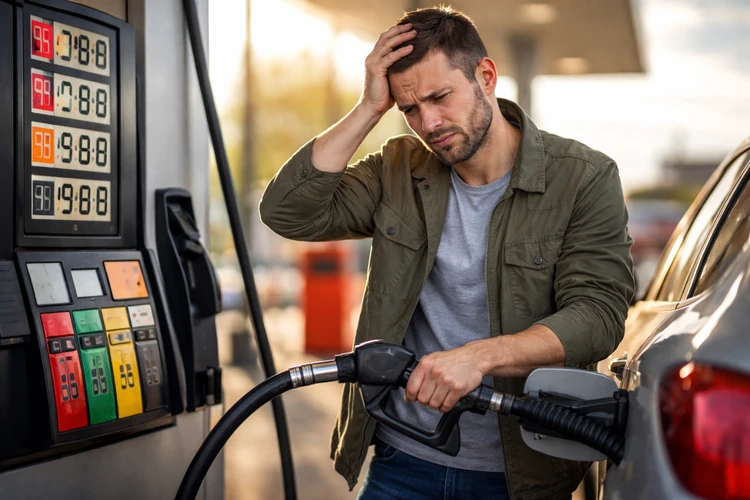
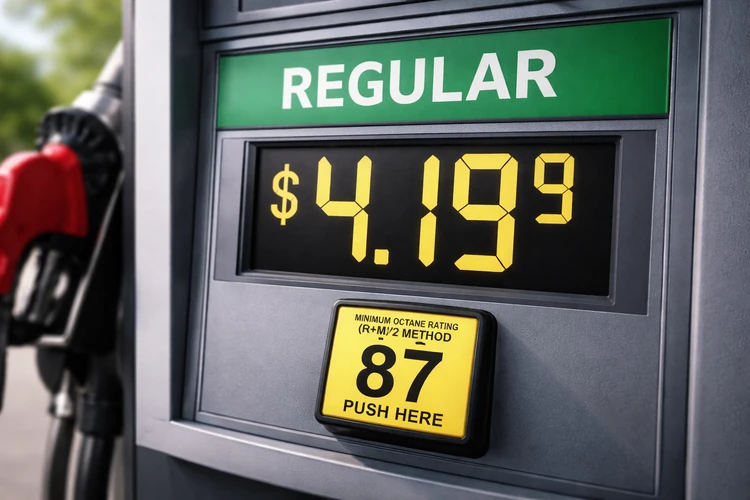
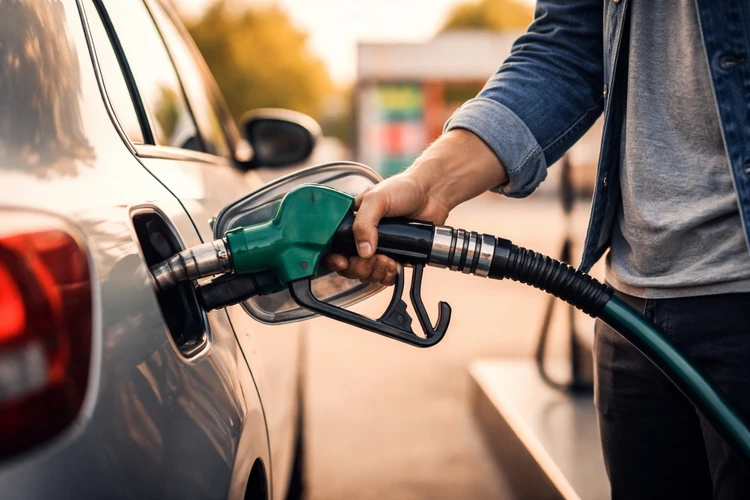
PhotoThis time last year gasoline prices were rising, but were well under $3 a gallon. Over the following months, they kept rising, hitting an average of $3.98 a gallon in early May.

So why haven't high gas prices ignited inflation like they did 40 years ago? Those old enough to remember the 1970s might also remember the oil shocks of 1973 and 1979.

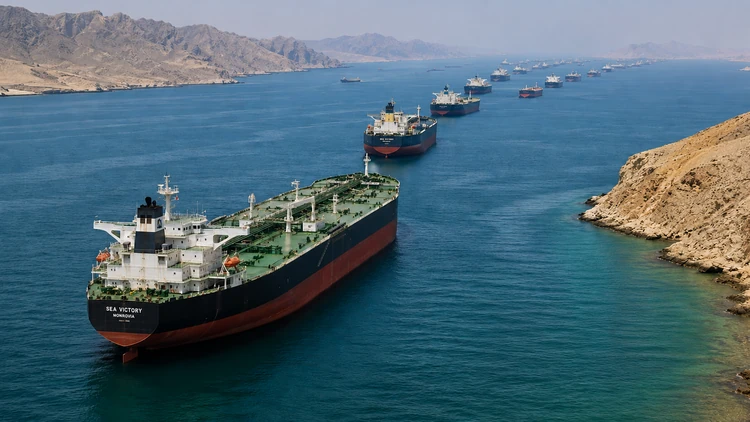
Those two large oil price increases caused inflation in the prices of core goods. The 1990s brought even larger oil shocks, yet the prices of core goods didn't go up. Then, when gas prices rose $1 a gallon in the space of a few months this year, researchers wanted to understand why high energy prices led to inflation then, but not now.

"Many economists would say that the difference in inflation for these two decades was caused solely by monetary policy," said Lance Bachmeier, a Kansas State University economist. "But when we looked at the data for core goods, we found that is not the case."

Some prices actually falling

More than that, the prices of many goods -- such as clothing or vacations -- are actually deflating instead of inflating because of improved technology and reduced energy costs.

Bachmeier and colleague Inkyung Cha used inflation data from the Bureau of Labor Statistics to look at more than 100 core goods. Core goods do not include groceries, but rather include goods such as cars, household appliances, clothing, cosmetics, toys and vacations. These kinds of goods are not affected as much by oil shocks, Bachmeier said, but have actually experienced some minor deflation from rising oil prices. The reason is simple; consumers have less money to spend.

"If you used to spend $10 to fill your tank, and now you are spending $20, that gives you $10 less to spend on cosmetics or clothing," Bachmeier said. "So that causes the demand of those goods to fall, and then the price falls."

Bachmeier and Cha credit improvements in energy efficiency for helping keep production costs in check. The biggest cost for some manufacturers is energy, so even small advances in technology have helped reduce production costs. For instance, newer technology has helped diesel trucks get 7 miles per gallon, when they used to get 4.8 miles per gallon in 1977. Other technologies have created more energy-efficient methods of producing paper and steel, among other developments.

Lack of credit

At the same time, consumers don't have the access to credit they once did before the collapse of the housing market. With fewer dollars available in the rest of the economy, demand falls and sometimes, so do prices.

In the last few weeks, consumers have noticed gasoline prices are going down a bit.

Bachmeier attributes the lower prices to uncertainty about the global economy. Without this uncertainly, he says, gas prices might reach $5 a gallon.

In other words, when the economy recovers, consumers had better to pay sharply higher prices for fuel. Will $5 a gallon gas finally produce inflation? It might at the beginning, but Bachmeier predicts consumers will adapt, lessening the impact of another oil shock.

"United States consumers will realize that gas prices are not likely to go much below where they are right now," Bachmeier said. "Some college students and others with low incomes will walk or ride bicycles when possible. Consumers will put more emphasis on gas mileage when they buy a new vehicle. Even at $3 per gallon, an average middle-age male driver will save about $200 per month on gas by driving a Hyundai Elantra rather than an SUV."


Share your Comments

Please enable javascript to comment on this page
Jacqueline Folwell (Tue, 22 Nov 2011 22:36:44 +0000): Then what they are really saying is that Non necessities prices go down while Necessities keep going up and up and up. Necessities Apparently don't count in averaging out inflation. $3. bread $5. milk , Eggs doubling and meats that ar much more than doubled, Doctors meds. and healthcare out of sight high Mean nothing and Don't count as inflation ither? Does anyone else see anything wrong with the standard forv calculating inflation? Unemplyment percentage only goes by Benefits too. What about the unemployed who can't get unemployment? And what about the unemployed that have run out of benefits? They don't count in that average. I for one would love to see true averages for a change instead of the numbers The government want us all to see.
Jacqueline Folwell (Tue, 22 Nov 2011 22:45:36 +0000): By the way How many Hibreds have a monthly payment below or even at $200. A MONTH. Trucks also use gas or Desel to get products to us. If gas is higher they must charge more for delivery and that is passed on in higher product prices to the consumer while oil is reaping record profits all the time and at our expense.
Bud Lokken (Wed, 23 Nov 2011 10:46:50 +0000): I just wanted to THANK YOU so much for find 3.17% Rate. You were great! The closing went really smoothly on my Mortgage Refinance. As in the past, I'll continue to tell everyone about "123 Refinance" knowledge is power know your rate before you do refi.
Quantcast