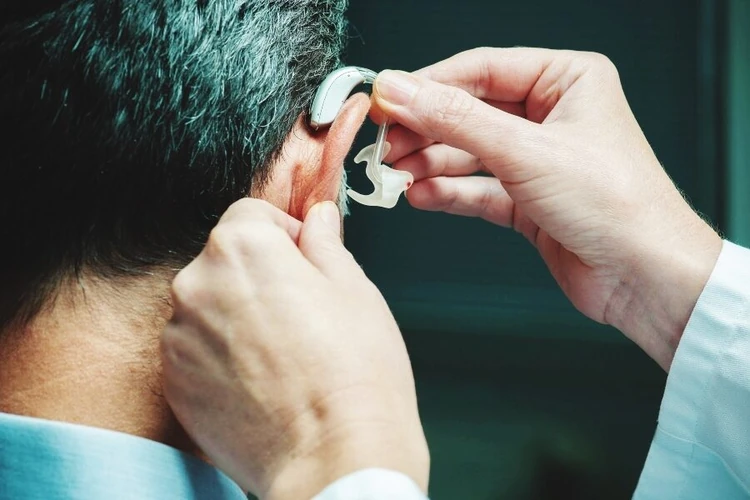
Other than operating a bulldozer for a living or sitting in the front row at every heavy metal concert ever staged, most people would never even think that eating a ham and cheese sandwich or drinking alcohol would lead to hearing loss. Apparently, those things do and they’ve got company.
Dr., Jenn Schumacher, audiologist for ReSound US, tells ConsumerAffairs that our hearing health is tied into many of our daily habits.
Take cigarettes. Schumacher said that 70% of smokers have a greater chance of developing hearing loss.
And since we’re talking about vices, alcohol consumption in large quantities, over a long period of time, can also contribute to a hearing impairment, as damage to the central auditory cortex of the brain can occur.
No cotton swabs
Schumacher’s other daily watch-what-you’re-doing list includes:
Using cotton buds to clean your ears. Baby Boomers were raised on moms using Q-Tips to keep our ears clean and that generation has kept that habit alive.
“Putting foreign objects into your ear canals to clean them can actually have the opposite effect and push ear wax further into the ear,” she said.
“The skin in the ear canal is also very thin, meaning it can be easily broken leading to infection. The average ear canal is approximately 2.5cm in length so there is a very real risk of accidentally rupturing the eardrum with a cotton bud as 2.5cm is a very short distance.”
So what should we use instead?
If you’ve simply got a build-up of wax, Dr. Carol DerSarkissian, at WebMD, says all you need to do is gently clean the outside of your ears with a washcloth. “You also can try putting a few drops of baby oil, hydrogen peroxide, mineral oil, or glycerin in your ear to soften the wax." But, whatever you do, do not use those “ear candles," DerSarkissian said.
Watch what you eat. HearingHealthAssociates claims that there are several foodstuffs that can have a negative effect on hearing. Those include:
- Vegetable oils
- Margarine/Partially Hydrogenated Oils
- High-fat meats
- Whole/2% milk
- Cream cheese
- Processed cheeses
- Sugar and artificial sweeteners
- Refined carbohydrates (white bread, pasta, any food containing “enriched” flour(
- Sodium
Things to do
Being inactive. Another daily habit that Schumacher says is a must, but not a don't is exercise. “Having good circulation keeps oxygen levels up and keeps the internal parts of the ears healthy, which is why being inactive can be detrimental to an individual's ear health,” she advises.
Check your medications. Meredith Resnick, director of strategic communications, at the Hearing Loss Association of America (HLAA), suggests anyone who’s experiencing hearing issues check with their doctor and/or pharmacist about possible drug interactions and reactions.
Resnick said the primary class of drugs that come into question are Ototoxic medications (“oto” for ear; “toxicity” means poisoning).
In its research on those drugs, the American Speech-Language-Hearing Association (ASHA) says that there are more than 200 ototoxic drugs on the market -- over-the-counter as well as prescription medications. These include medicines used to treat serious infections, cancer, and heart disease.
"Hearing ... problems caused by these drugs can sometimes be reversed when the drug therapy is discontinued," the researchers said. "Sometimes, however, the damage is permanent."
Those ototoxic drugs can cause inner ear damage, too. “Hearing loss caused by these types of medicine tends to happen quickly. The first symptoms usually are ringing in the ears (tinnitus) and vertigo,” doctors at MyHealthAlberta, said.
“Hearing usually returns to normal after you stop taking the medicine. But some medicines can cause permanent hearing loss even if you stop taking them.”
On top of ototoxic drugs, those physicians said there are commonly used medications that may cause hearing loss, as well. Those include:
Aspirin, when large doses (8 to 12 pills a day) are taken.
Non-steroidal anti-inflammatory drugs (NSAIDs).
Certain antibiotics.
Loop diuretics. They're used to treat high blood pressure and heart failure.
Disregarding ear infections can be risky, too. Ear infections (aka “swimmer’s ear”) tend to show up in children more frequently than adults and, typically, any hearing issues arising from those infections are short-term.
However, if an ear infection isn’t treated quickly, it can have a long-lasting – if not permanent – impact on hearing. To minimize these risks, it is advisable to consult a doctor early if you experience any symptoms of an ear infection. That way, you’re making certain that you are not susceptible to long-term hearing issues.
If you’re curious about hearing and think you might experience hearing loss, there are several companies that offer free online testing. Those include Resound as well as some of the companies listed in ConsumerAffairs’ review of hearing aids.