New consumer protections for airline passengers go into effect today, and should make flying more convenient and hassle-free for air travelers.
The new consumer protections, finalized by the U.S. Department of Transportation (DOT) earlier this year, include requirements that airlines refund baggage fees if bags are lost, increase compensation provided to passengers bumped from oversold flights, and provide passengers greater protections from lengthy tarmac delays.
“The Obama Administration believes consumers have the right to be treated fairly when they fly,” U.S. Transportation Secretary Ray LaHood said. “The Department of Transportation's new passenger protections will help ensure that air travelers receive the respect they deserve before, during and after their flight.”
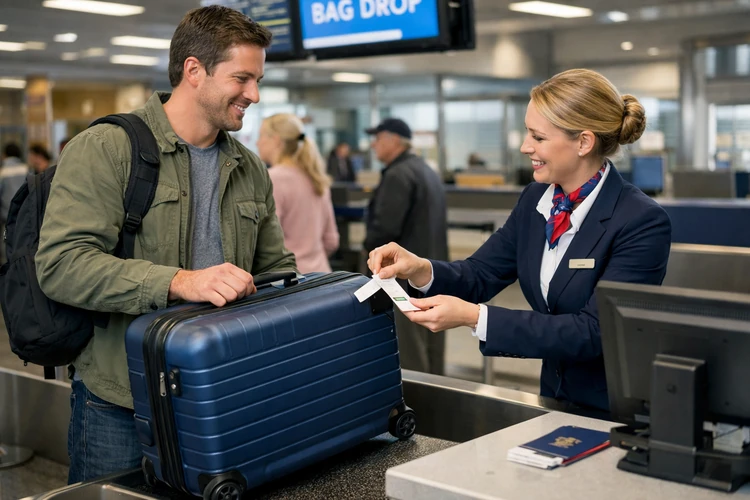
Effective today, airlines will be required to refund any fee for carrying a bag if the bag is lost. Airlines are already required to compensate passengers for reasonable expenses for loss, damage or delay in the carriage of passenger baggage.
Under the new rules, airlines must now prominently disclose all optional fees on their websites, including but not limited to fees for baggage, meals, canceling or changing reservations, or advanced or upgraded seating.
Being bumped
The new rules also double the amount of money passengers are eligible to be compensated for in the event they are involuntarily bumped from an oversold flight. Previously, bumped passengers were entitled to cash compensation equal to the one-way value of their tickets, up to $400, if the airline was able to get them to their destination within a short period of time (within 1 to 2 hours of their originally scheduled arrival time for domestic flights and 1 to 4 hours for international flights).
If they were delayed for a lengthy period of time (more than two hours after their originally scheduled arrival time for domestic flights and 4 hours for international flights), they were entitled to double the one-way price of their tickets, up to $800.
Under the new rule, bumped passengers subject to short delays will receive compensation equal to double the one-way price of their tickets, up to $650, while those subject to longer delays would receive payments of four times the one-way value of their tickets, up to $1,300. Inflation adjustments will be made to those compensation limits every two years.
Tarmac delays
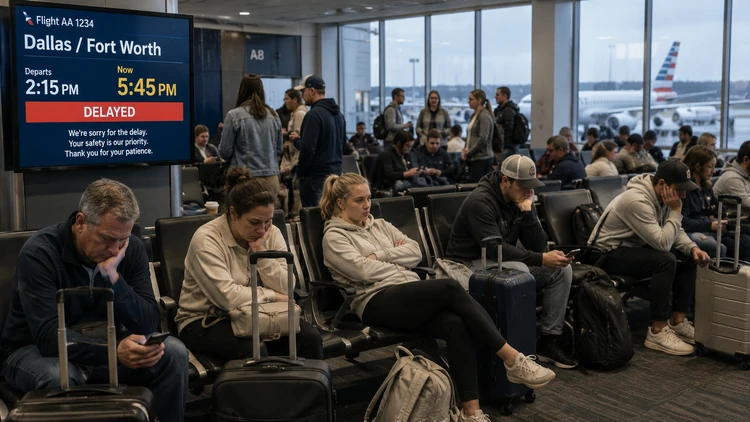
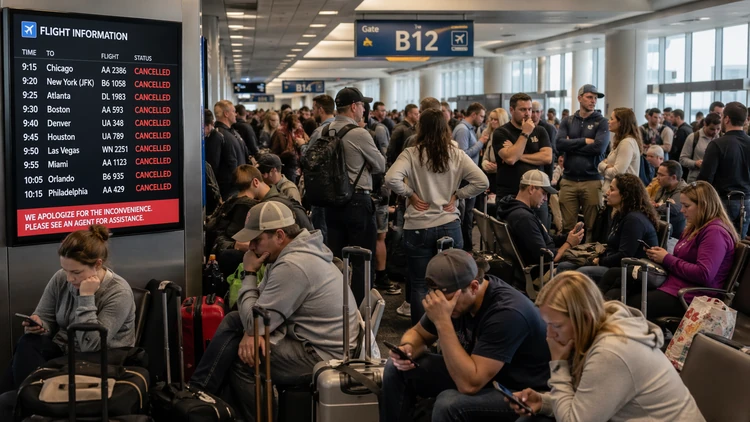
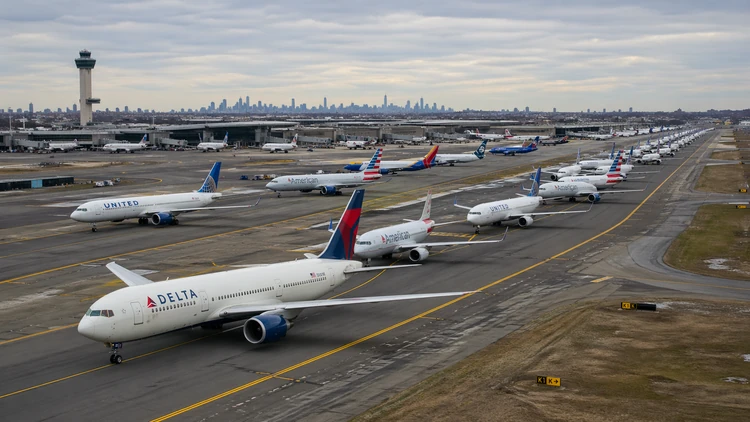
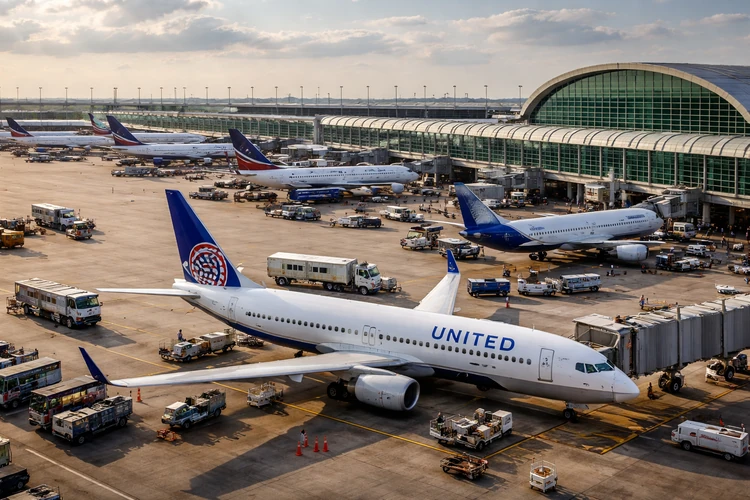
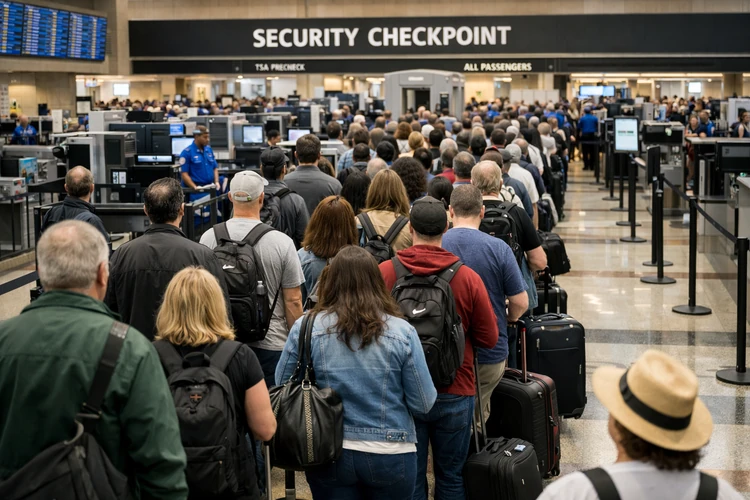
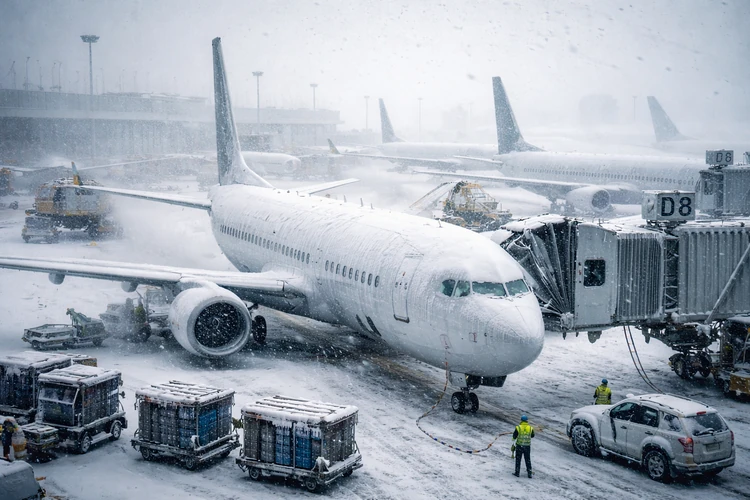
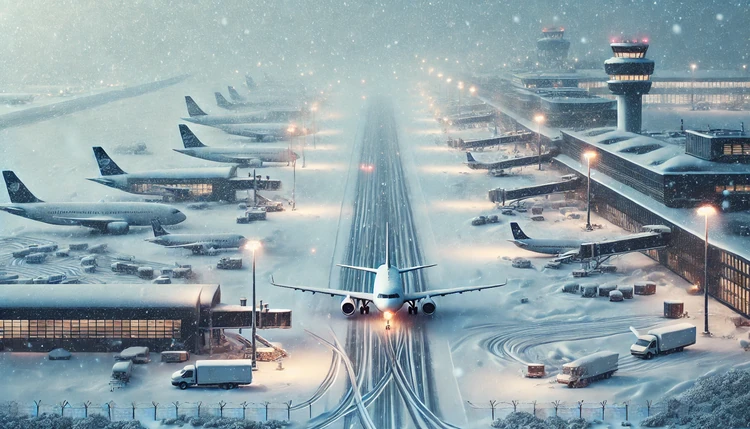
The Department of Transportation’s new rule also expands the existing ban on lengthy tarmac delays to cover the international flights of foreign airlines at U.S. airports, and establishes a hard four-hour time limit on tarmac delays for all international flights at U.S. airports.
It also extends the three-hour tarmac delay limit for domestic flights, currently in place only at large-hub and medium-hub airports, to flights at small-hub and non-hub airports as well. All carriers subject to the tarmac rule will be required to report lengthy tarmac delays to DOT. In all cases, exceptions to the time limits are allowed only for safety, security or air traffic control-related reasons.
Carriers must also ensure that passengers stuck on the tarmac are provided adequate food and water after two hours, as well as working lavatories and any necessary medical treatment.
Other measures
Additional measures under the new rule will take effect January 24, 2012, including:
· Requiring all taxes and fees to be included in advertised fares.
· Banning post-purchase price increases.
· Allowing passengers to hold a reservation without payment, or to cancel it without penalty, for 24 hours after the reservation is made, if the reservation is made one week or more prior to a flight’s departure date.
· Requiring disclosure of baggage fees when passengers book a flight.
· Requiring that the same baggage allowances and fees apply throughout a passenger’s journey.
· Requiring disclosure of baggage fee information on e-ticket confirmations.
· Requiring prompt notification of delays of over 30 minutes, as well as cancellations and diversions.
Nancy Weytkow Giuriati (Wed, 24 Aug 2011 13:23:23 +0000): Good news for travelers.
Maggi Musico Reiss (Wed, 24 Aug 2011 15:45:18 +0000): Unfortunately the FAA does not enforce the rules.
Philip Camacho (Fri, 26 Aug 2011 04:18:16 +0000): Well, we can also look forward to the airlines sticking it to us with higher fares to make up for this.
Lydia Lilli (Sun, 28 Aug 2011 22:40:44 +0000): I always try to fly either JET BLUE or VIRGIN AMERICA when traveling. They are the best domestic airlines. For overseas, VIRGIN ATLANTIC.