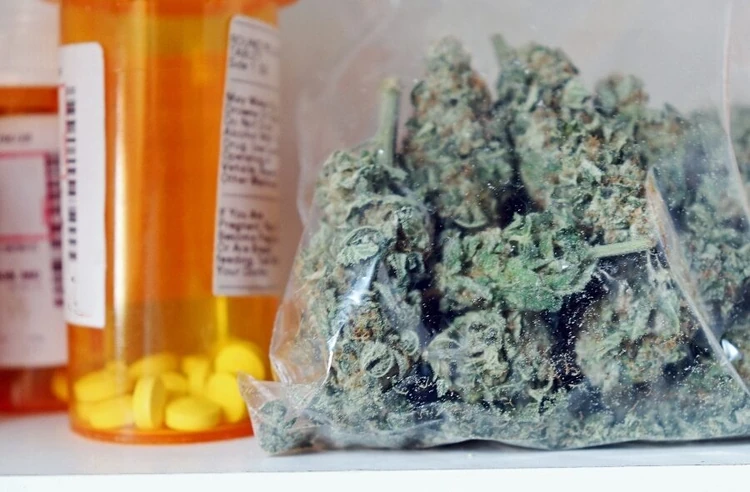
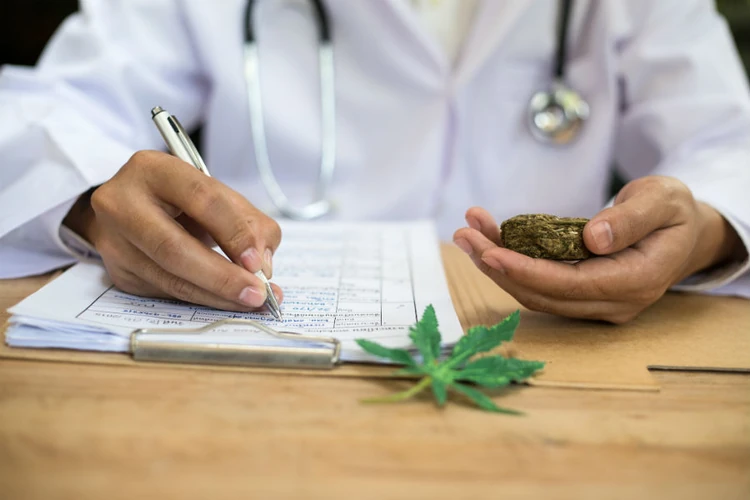
Though just 20 percent of states have legalized marijuana for recreational purposes, many legislators nationwide have given the green light for health care professionals to use the drug for medicinal purposes.
Now, health care experts are bringing up some cause for concern when it comes to prescribing cannabis to patients.
“Consistently across medicine, pharmacy, and nursing, health professionals all said their knowledge of medical cannabis was poor,” said researcher Kyle Gardiner. “Many highlighted a need for further education and easy-to-access information. Where they felt evidence-based resources were not accessible, their knowledge was generated from online learning, news and media, and patient experiences.”
What the experts are saying
The researchers analyzed nearly 30 previous studies that have assessed health care professionals’ beliefs and attitudes regarding medical cannabis use.
The studies included responses from pharmacists, allied health professionals, nurses, and medical practitioners, the majority of whom agreed that medical cannabis should be used; however, the respondents said they needed better information to properly guide their patients.
“It is important to know [medical professionals’] attitudes and concerns about the delivery and use of medical cannabis, what knowledge they have, and where they are getting their information,” Gardiner said. “However, these are a few pieces of a much larger picture.”
Gardiner notes that patients are only granted access to medical cannabis if they are properly prescribed it by a health care professional, further proving how vital their role is in these cases.
While many of the health care experts involved in this study expressed their own ignorance about the issue -- including the proper dosage to give to patients, where the drug is legal, and where they can get it -- they also shared that they were concerned for their patients’ overall well-being.
The health care experts had patients’ mental health at the forefront of their minds, as previous studies have revealed a relationship between medical cannabis use and overall mental health, while drug misuse, driving under the influence, and interactions with other drugs were other big concerns around prescribing medical cannabis.
Moving forward, Gardiner and his team want to ensure that patients are getting the highest quality of care that they possibly can, and this starts with understanding where health care professionals come from in their decision-making.
“The picture we need to build is a more robust understanding of health professional behaviour,” said Gardiner. “This is an important step in recognising and better informing strategies that change the way health care is delivered so that patients are not disadvantaged. This study is one part of putting together that picture relating to medical cannabis.”
Understanding marijuana use
Medical marijuana has been touted to help any number of conditions, but a recent study found that adults with cancer are more likely to use the drug to manage their pain than those without cancer.
The study spanned from 2005 through 2014, and though marijuana use among adults rose across the board, cancer patients were more likely to manage the pain with marijuana than their counterparts.
“Medical marijuana legalization has been previously associated with a reduction in hospitalizations related to opioid dependence or abuse, suggesting that if patients are in fact substituting marijuana for opioids, this may introduce an opportunity for reducing opioid-related morbidity and mortality,” said Dr. Jona Hattangandi-Gluth. “Of course, it will also be important to identify risks and adverse effects of marijuana, which has not previously been studied on large randomized clinical trials, given its scheduling as a class 1 controlled substance.”