1. Skip to navigation
  2. Skip to content
  3. Skip to sidebar

Consumer Affairs

Pending Home Sales Jump In May

It's another hopeful sign, but probably not a turnaround


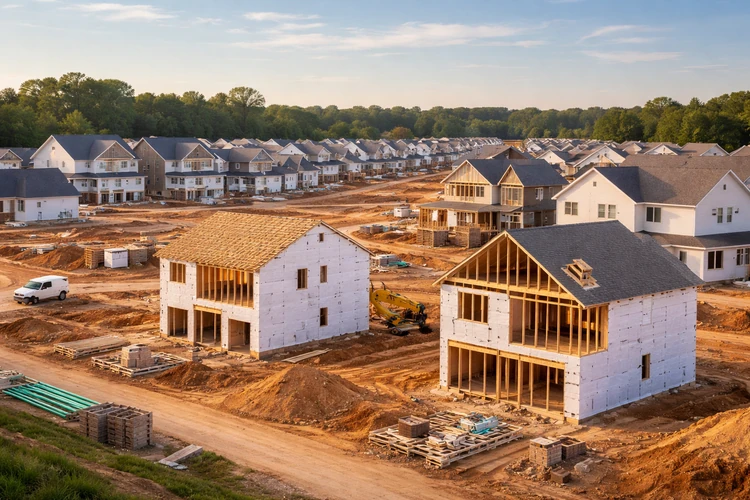
PhotoA day after a report showed a one-month increase in home prices, the real estate industry got more encouraging news today. The National Association of Realtors' (NAR) Pending Home Sales Index rose 8.2 percent in May.

Pending sales reflect the number of sales contracts signed in a particular month. Those sales closed in June or will close in July, and the 8.2 percent increase was significantly higher than most analysts expected.

Not only did pending sales increase from April to May, but the May 2011 number was 13.4 percent higher than May 2010. This is the first time since April 2010 that contract activity was above year-ago levels, and the monthly gain was the strongest increase since last November when the index rose 10.6 percent.

Some markets recovering faster than others

“Absorption of inventory is the key to price improvement, and this solid gain in contract signings implies that home values in many localities are or will soon be stabilizing as inventories get absorbed at a faster pace,” said NAR's chief economist, Lawrence Yun. “Some markets have made a rapid turnaround, going from soft activity to contract signings rising by more than 30 percent from a year ago, including areas such as Hartford, Conn.; Indianapolis; Minneapolis; Houston; and Seattle.”

Pending home sales have trended up unevenly since bottoming last June, rising in seven of the past 11 months.

Who is buying homes?

The data does not contain a breakdown of sales to investors, and sales to buyers who plan to pay in cash. That breakdown is normally provided when NAR reports final closings in its monthly existing home sales report.

That data will be telling, since investors so far this year have accounted for nearly one third of home purchases. In many cases, these investors pay with cash rather than take out a mortgage. Yun says the lack of mortgages is holding the market back.

“Home sales still could be 15 to 20 percent higher,” Yun said. “If banks would simply return to normal sound underwriting standards and begin lending to more creditworthy borrowers, we’d get a much faster recovery in the housing sector.”

Chicken and egg

That may be true, but lenders are faced with something of a chicken and egg quandary. In many cases, lenders have increased the minimum down payments for mortgages because home values do not yet appear to have bottomed. They are fearful of financing 90 or 95 percent of a home purchase if there is a strong likelihood that the value of the home could fall another 10 percent.

But Yun is correct when he notes that the lack of mortgage money is holding back sales, which puts even more downward pressure on prices.

“In addition, a nonsensical situation has developed recently in some states with HUD unable to complete foreclosure deals because of insufficient funds to pay attorney fees at closing, even with buyers offering the full listing price,” Yun said.

According to NAR, pending sales rose the most in the Western states, where the Index was up 12.9 percent over Arpil and 13.5 percent over May 2010. The Midwest also had a double-digit increase, rising 10.5 percent over April and 17.2 percent over May 2010. 

Quantcast