Yarnell recalls no sugar added homemade vanilla ice cream
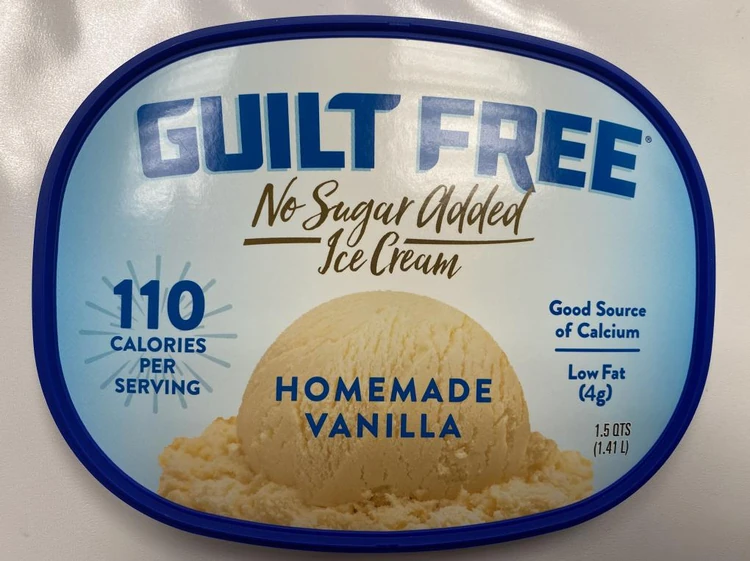
Yarnell Operations of Searcy, Ark., is recalling containers of its Guilt Free No Sugar Added Homemade Vanilla Ice Cream.
The product may contain egg, an allergen not declared on the label.
No illnesses have been reported to date.
The recalled product, which comes in a 48 oz/1.5 quart round container with the following best by dates and lot numbers:
- Best by 11/15/2024 - Lot 3135,
- Best by 11/16/2024 - Lot 3136 and
- Best by 02/04/2025 - Lot 3216,
was sold at Walmart, Kroger, Harps, Edwards Food Giants, Hays, Mad Butchers, Cash Savers, Hometowns, Superlo, Shoppers Value, Town & Country Supermarket and G&W Food stores in Arkansas, Kansas, Kentucky, Louisiana, Mississippi, Missouri, Oklahoma, Tennessee and Texas.
What to do
Customers with an allergy or severe sensitivity to egg who purchased the recalled product should not consume it, but return it to the store where purchased for a full refund.
Consumers with questions may contact Yarnell customer service at (855) 215-5039. Monday through Friday from 8 a.m. to 5 p.m.(EST).

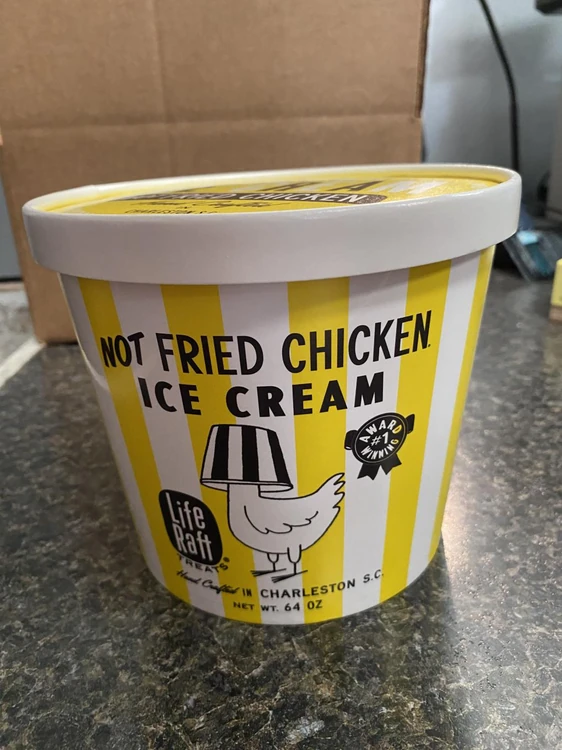
Life Raft Treats expands ice cream recall
Life Raft Treats is expanding its earlier recall of its “Not Fried Chicken” 64-oz buckets, 2.5-oz bars, and Life Is Peachy 6-count boxes of ice cream products.
The products may be contaminated with Listeria monocytogenes.
No illnesses have been reported to date.
A list of the recalled products, which were shipped by www.Goldbelly.com online directly to consumers located in Alabama, Arkansas. Arizona, California, Colorado, Connecticut, the District of Columbia, Delaware, Florida, Georgia, Iowa, Idaho, Illinois, Indiana, Kansas, Kentucky, Louisiana, Massachusetts, Maryland, Michigan, Mississippi Montana, North Carolina, North Dakota, Nebraska, New Hampshire, New Jersey, New Mexico, Nevada, New York, Ohio, Pennsylvania, South Carolina, Tennessee, Texas, Utah, Virginia, Vermont, Washington and Wisconsin, may be found here.
What to do
Customers who purchased the recalled products should not consume them, but discard or return them to the place of purchase for a full refund.
Consumers with questions may contact the firm at (843) 695-9806 Monday through Friday from 9:00 am – 5:00 pm EST or by email at recall@liferafttreats.com.
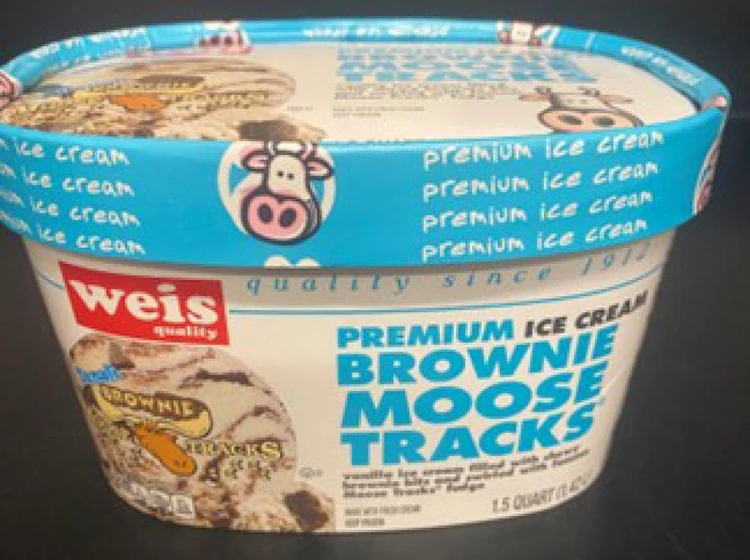
Weis Markets recalls Brownie Moose Tracks Ice Cream
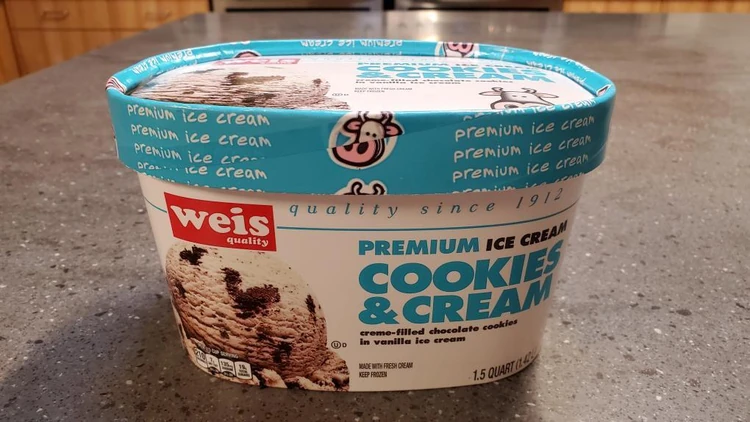
Weis Markets of Sunbury, Pa., is recalling 48-oz. containers of Weis Quality Brownie Moose Tracks Ice Cream.
The product may contain egg, an allergen not declared on the label.
No illnesses have been reported to date.
The recalled product, packaged in a round container with a UPC of 041497-01194 with all sell by dates included, was sold at all 197 Weis retail stores in Pennsylvania, Maryland, Virginia, New Jersey, New York, Delaware and West Virginia.
What to do
Customers with an allergy or sensitivity to egg who purchased the recalled product should not consume it, but return it to the place of purchase for a full refund.
Customers with questions may contact Weis Markets at (866) 999-9347 Monday through Friday from 8am -- 5pm (EST).