1. Skip to navigation
  2. Skip to content
  3. Skip to sidebar

Consumer Affairs

Where Are Gas Prices Headed, Up Or Down?

Wall Street giants predict coming price surge


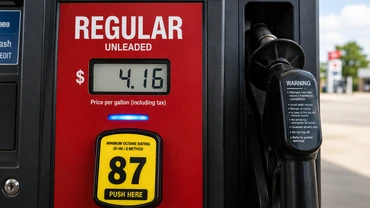
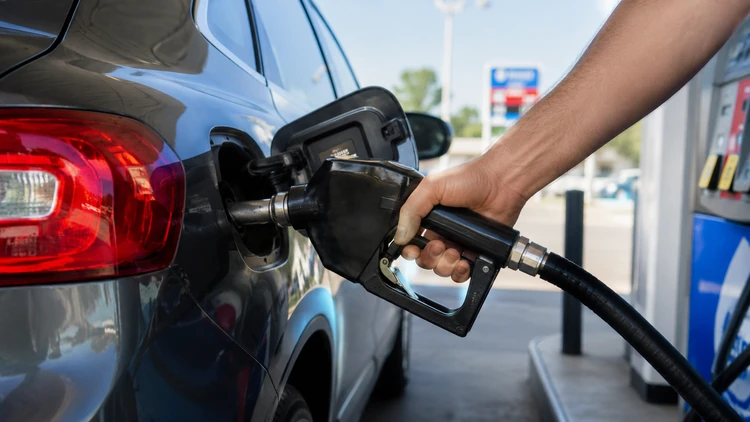
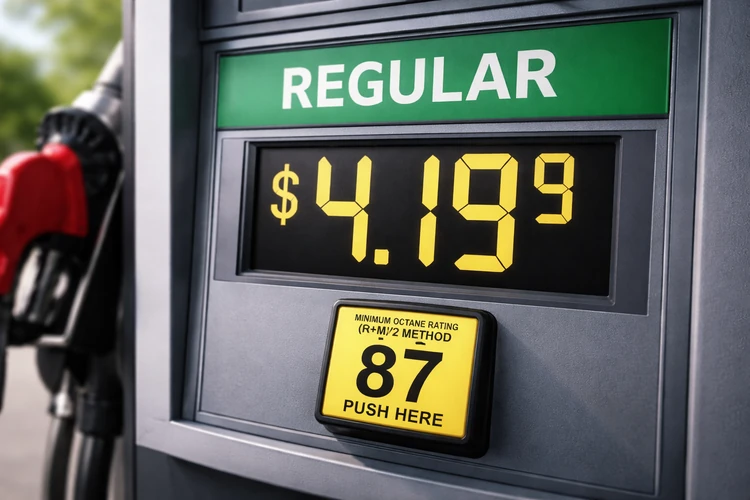
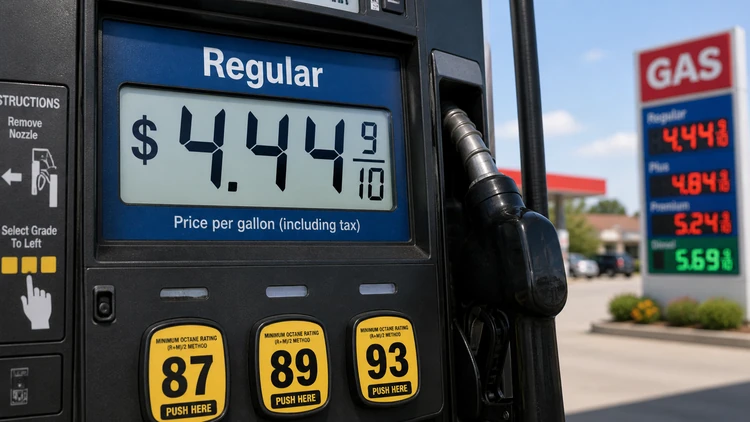
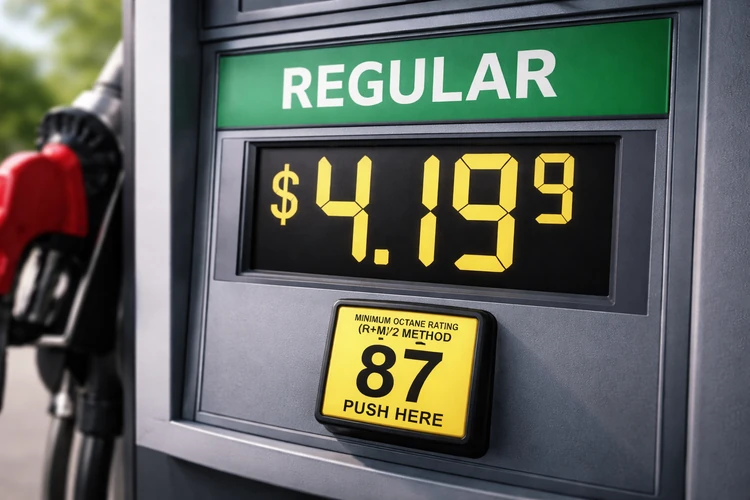
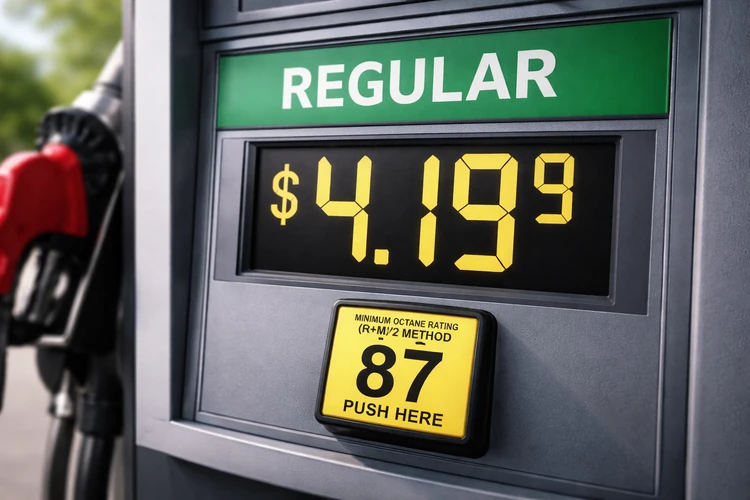
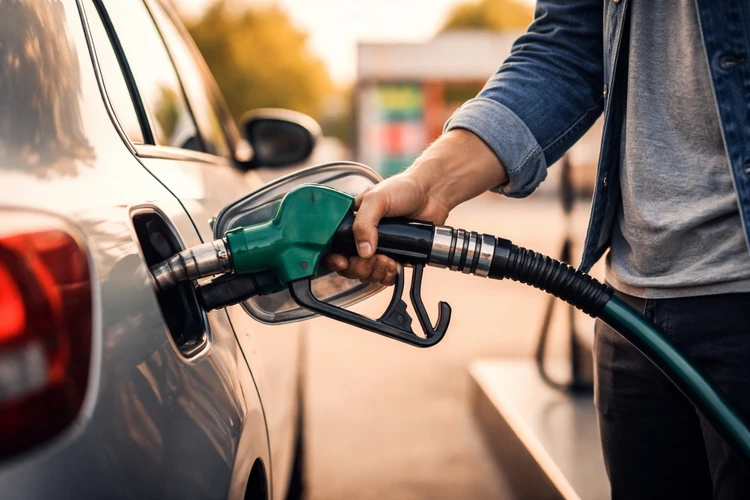
photoAs the summer driving season officially got underway, motorists were getting a little relief at the gas pump. The national average price of gasoline Monday, according to AAA's Fuel Gauge Survey, was $3.795 a gallon, 20 cents a gallon less than its May 5 peak.

But will the downward trend continue? It depends on who you ask.

Most analysts agree that in the short term, prices at the pump are headed still lower. The price of crude oil for June delivery has been dropping like a rock, meaning gasoline prices may look even better for consumers in the early part of the summer.

July price surge predicted

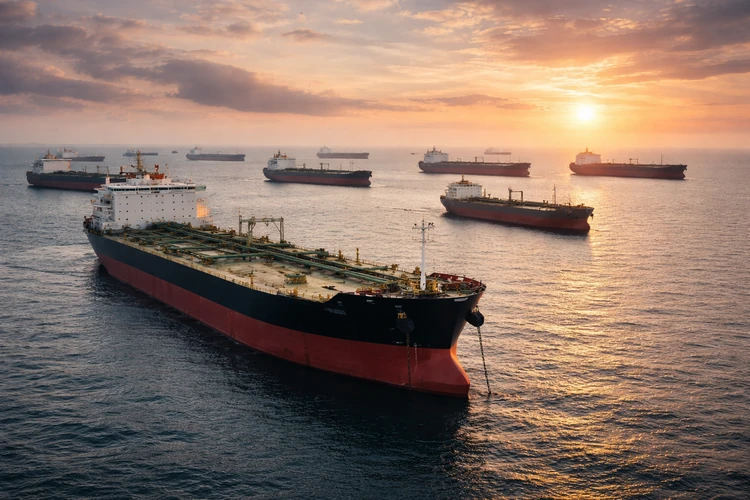
But both Goldman Sachs and JPMorgan Chase are predicting oil prices will surge come July, with Goldman predicting oil at more than $135 a barrel. That would likely push gas prices back over $4 a gallon in much of the country, and even $5 a gallon in some of the more expensive areas.

But it should be pointed out that both Wall Street firms might have a lot to gain from higher oil prices. And if they have already placed their oil bets for the summer, they could certainly have a lot to lose if oil and gasoline prices continue their slide.

What would make oil prices suddenly reverse course and head higher again? It's hard to see that anything, short of a catastrophic supply shortage, would do that. Currently, there is plenty of oil and demand, in the U.S. at least, is not rising. In fact, consumers confronted with sky-high prices have trimmed their gasoline consumption for eight straight weeks.

High gasoline prices also have the effect of slamming the brakes on the economy. Economists say that every time gasoline goes up 50 cents a gallon, it sucks $70 billion out of the economy. That's money that doesn't get spent at the grocery, at retailers, or at tourist attractions.

A weak economy requires less energy, reducing demand even more. So, assuming the supply situation doesn't change, it's hard to see where the two Wall Street giants are finding the basis for a surge in prices.

OPEC's role

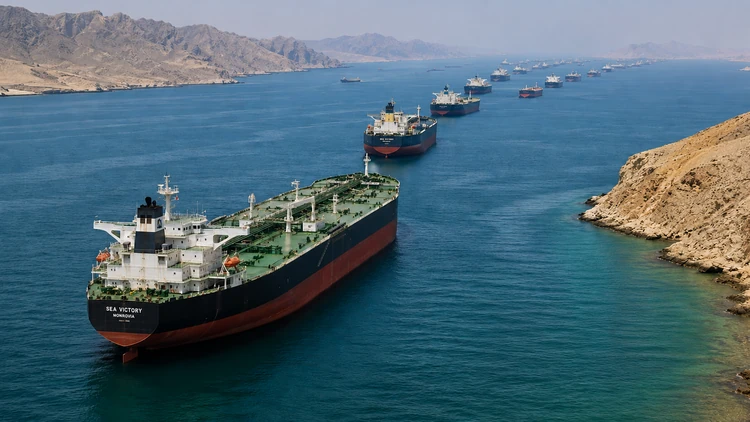
Then there's this. Oil suppliers, countries that really have nothing to offer the world other than their oil, do not want to see oil get too expensive.

In a candid interview with CNN, Saudi Arabian Prince Alaweed said his government does not want to see oil get so expensive that the U.S. and other countries start looking for alternatives. He said the kingdom would like to see oil prices stay in the $70 to $80 a barrel range, which should translate into $3 a gallon gas.

And in fact, industry analysts point out that one reason oil supplies are rising is because the Saudis and other OPEC countries pumped more oil in May. According to a Reuters survey, the increase has more than compensated for the recent drop in Libyan oil output.

Oil discovery

In more hopeful news for motorists, geologists have discovered a huge new oil field in Texas that could be adding to the nation's oil output within just a few years, without offshore drilling.

“It’s the one thing we have seen in our adult lives that could take us away from imported oil,” Aubrey McClendon, CEO of Chesapeake Energy, told the New York Times.

So, if things are looking positive for consumers, why does Wall Street think they are about to turn negative in a big way? Do they know something we don't?


Quantcast