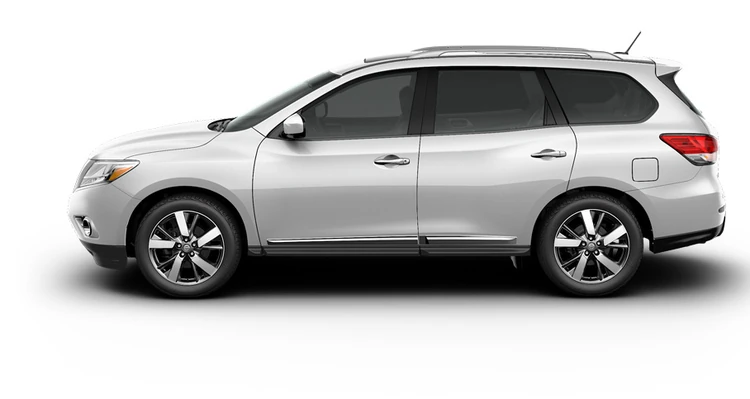
A federal class action claims Nissan has sold cars with defective delta stroke sensors, a brake mechanism, since 2004
In their suit, filed in U.S. District Court in San Francisco, Brandon and Erin Banks say that a defect in the delta stroke sensor, an electronic component that controls critical safety aspects of braking, causes drivers to lose braking ability without warning.
The plaintiffs claim that as a result of the defect, Erin Banks drove through a red light at a busy intersection with her two small children in the car.
"Despite applying the brakes in a manner reasonable anticipated to bring the vehicle to a complete stop, she frighteningly and dangerously went through the intersection," the suit alleges.
The suit seeks to represent all U.S. consumers who currently own Nissan products with the allegedly defective component and those who previously owned one, excluding those who claim to have suffered personal injuries as a result.
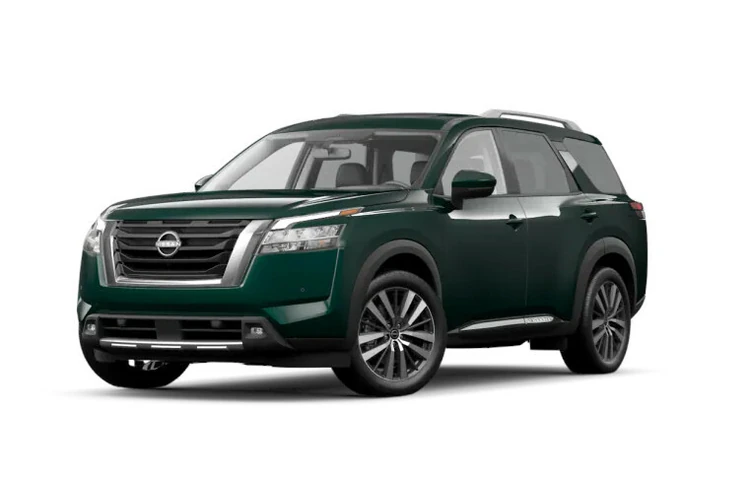
Nissan Armada
The Banks, who live in Placer County, Calif., say they bought a 2004 Nissan Armada in October 2006, when the truck had about 23,000 miles on the odometer. They also purchased a Nissan extended warranty that covered the vehicle for 75,000 miles.
On Feb. 24, 2011, as Erin Banks approached a red light at 40 miles per hour, she applied the brakes but the vehicle did not slow down. She pumped the brakes but still coasted through the intersection, the suit says.
The Armada was taken to Future Nissan in Roseville, Calif., and inspected. A service technician advised that the vehicle had displayed a test code which indicated a failure of the deltra stroke sensor in the ABS control unit.
The technician said he had seen the problem in a number of other vehicles, the suit charges, and said that Nissan had issued an update but that vehicles were being return for repairs even after the update had been applied.
$1,000 bill
The only way to fix the problem was to replace the sensor at a cost of more than $1,000, the technician advised, but the dealership declined to do so under warranty and referred Banks to Nissan's customer hotline, the suit stated.
After numerous phone calls, Nissan declined to pay for the replacement, allegedly stating that the warranty had expired and implying that Banks was not a "loyal" Nissan customer based on the number of non-Nissan vehicles he had owned.
Banks then spent $967 to have the sensor replaced at his expense.
The suit quotes Nissan Technical Service Bulletin NTB06-040 which describes the problem and outlines steps to remedy it.
Banks charges that he would not have purchased the Armada or the extended warranty had he known of the safety hazard allegedly posed by the faulty sensor, and charges that Nissan denied customers information that could have affected their safety and that of others on the road.
The suit seeks damages, legal fees and injunctive relief.