1. Skip to navigation
  2. Skip to content
  3. Skip to sidebar

Consumer Affairs

Oil Price Rise May Not Be A Mystery

History could simply be repeating itself


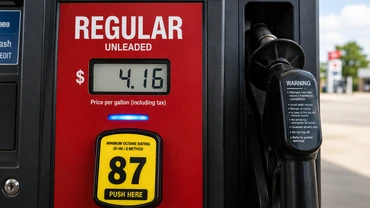
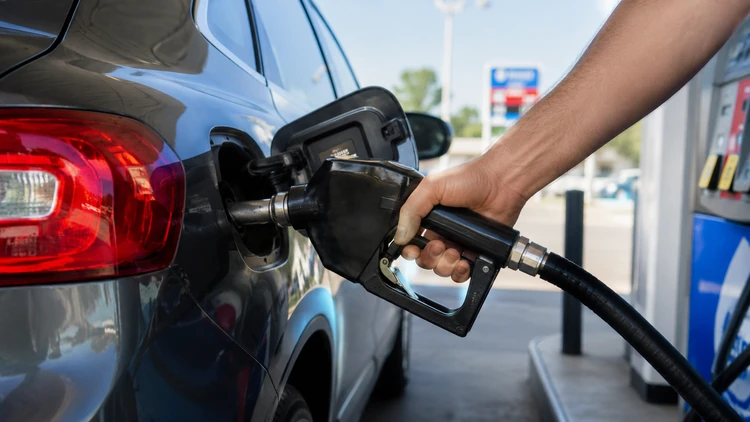
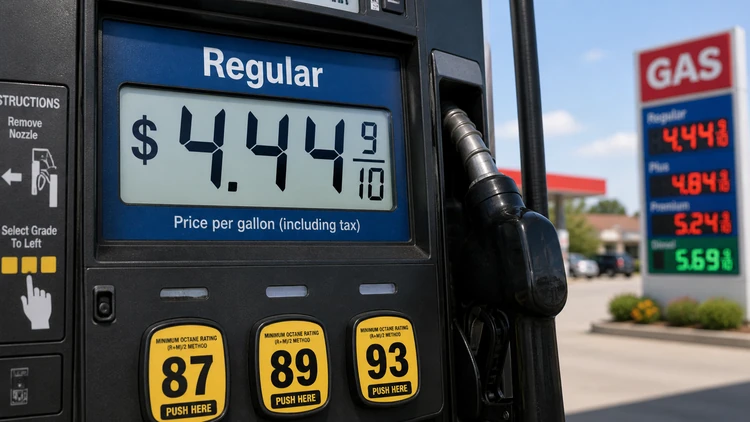
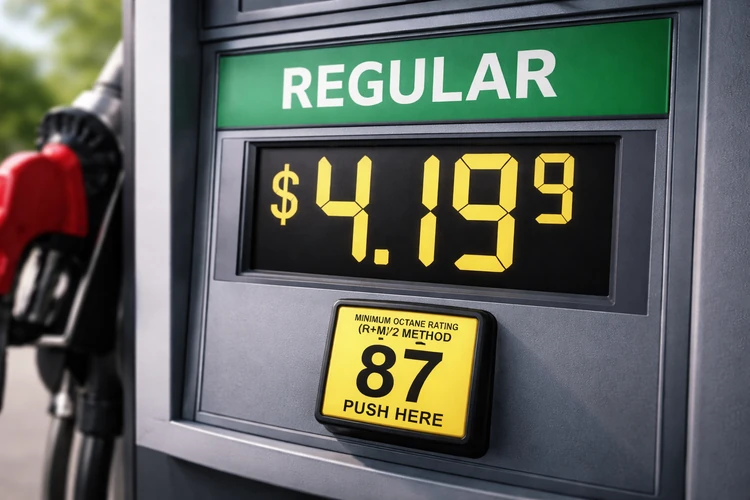
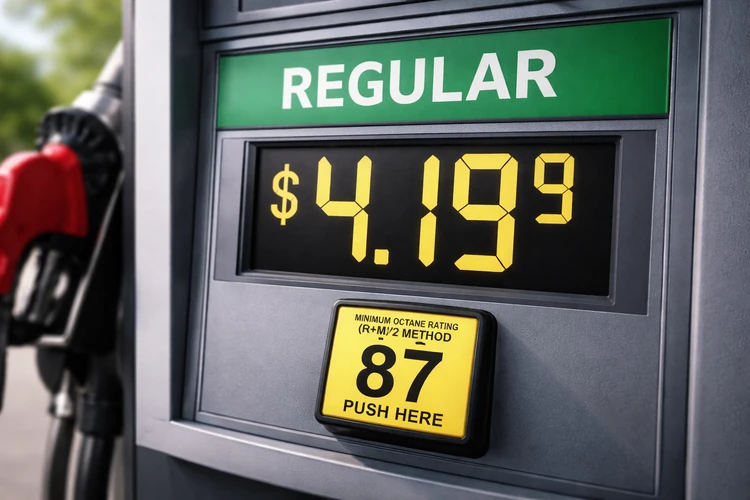
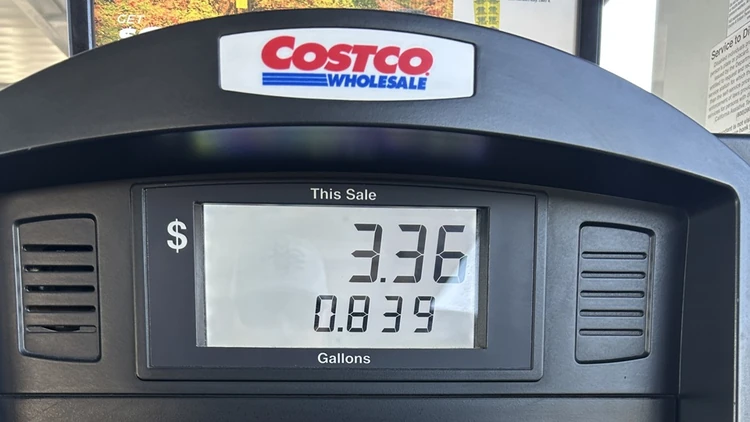
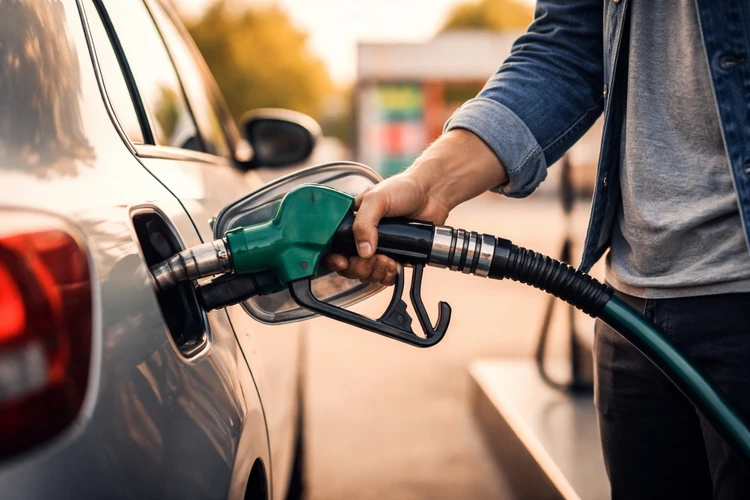
photoThere is plenty of finger-pointing as gasoline prices surge to near record highs, with energy speculators getting much of the blame.

Late last week the Justice Department announced an investigation into whether illegal manipulation of oil prices in the futures market is the cause of consumers' misery at the gas pump.

Two weeks ago an energy analyst at Goldman Sachs warned oil prices, which have been rising since last fall, were entering bubble territory, since market fundamentals do not support the current price.

But is speculation in the energy markets, by itself, responsible for the non-stop rise in oil prices? A better question to ask is what is prompting such bullish speculation by energy traders? Why are they so confident oil prices will keep going higher?

History lesson

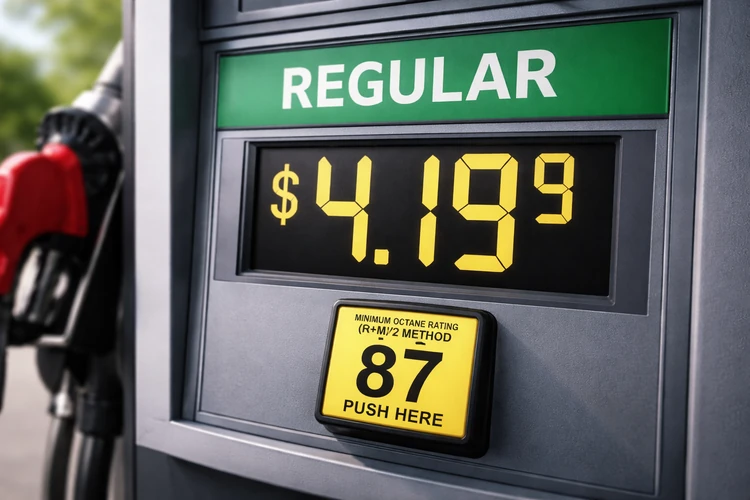
To find an answer, let's go back to three years ago, in the spring of 2008. In late April of that year, oil prices had moved past the $120 a barrel mark and gasoline prices were over $4 a gallon in many parts of the country. Sound familiar?

Gasoline wasn't the only thing going up in price. The cost of food was also rising quickly, putting more pressure on consumers. Today, that very same condition exists, with food and energy prices rising in tandem.

And something else is the same as three years ago. The U.S. dollar is quickly losing value. The greenback recently fell to its lowest level since...guess? That's right, three years ago.

Lowest since 2008

The dollar is five percent away from its all-time low, hit in March 2008, as tracked by the dollar index, which dates back to 1971.

The U.S. dollar has been steadily falling since last fall, when Federal Reserve Chairman Ben Bernanke announced what was known as Quantitative Easing II, or QE2. That's when the Fed started buying more and more U.S. debt, which the markets perceived as cheapening the value of the dollar.

The October QE 2 announcement, which was designed to lower interest rates and stimulate the economy, had the effect of sending the U.S. currency lower. At almost the same time, the price of oil – and by extension, gasoline – began to climb.

Though policy makers will never say they want a cheaper dollar, many economists believe that was the ultimate goal of the policy. A cheaper dollar makes the cost of U.S. exports cheaper and, in the long run, could promote U.S. jobs. It also allows the U.S. Government to repay its staggering debt to countries like China with increasingly cheaper dollars.

Consumers pay the price

But the flip side of a cheaper dollar is the cost of imports go up, and commodities that are valued in dollars – like oil, gold and agricultural products – rise significantly in price. If the value of a barrel of oil remains constant, it will take more dollars to pay for it, the reasoning goes.

If you are a commodities trader investing billions of dollars over the last six months, betting that oil prices will keep going up is probably a safe bet. Therefore, billions of dollars have flowed into the oil futures market, sustaining the rally.

Consumers, of course, are paying the price at the gas pump. To pay for more expensive fuel, many have to cut back on other purchases. Three years ago that may have contributed to the Great Recession.

That event almost brought the economy to a halt, and had the result of a huge drop in oil and gasoline prices. History may be repeating itself.


Quantcast