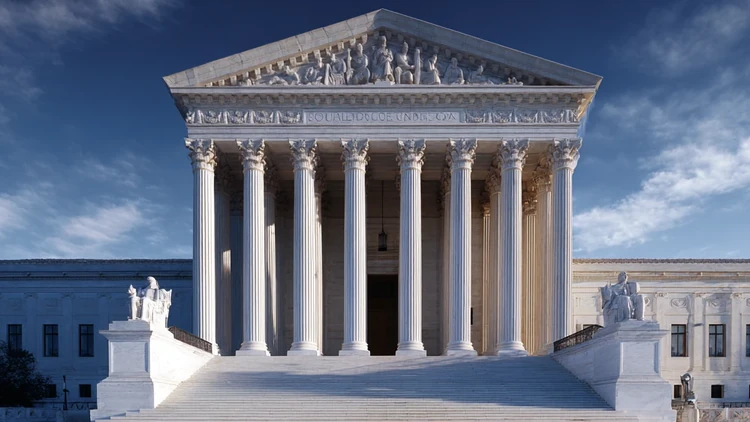
Several months ago, ConsumerAffairs.com reported on AT&T Mobility v. Concepcion, a lawsuit pending in the Supreme Court that could have wide-ranging consequences for class actions -- and could potentially snuff them out altogether.
Regardless of how Concepcion comes out, there are two other employment cases before the Court that could alter the employment class action landscape.
Dukes v. Wal-Mart
Dukes v. Wal-Mart, the largest-ever employment class action in the U.S., has been generating headlines for
quite some time. Originally certified as a class in 2004, the suit was brought on behalf of as many as 1.5 million current and former Wal-Mart employees who say the mega-store systematically discriminates against female employees. According to the class, Wal-Mart pays men more -- and promotes them more frequently -- than their female counterparts.The Supreme Court agreed in December to hear the case, and its decision could determine how easy it is for employees of other companies to bring similar mega-actions. The Ninth Circuit Court of Appeals, which ruled in April that the case could go forward, outlined a liberal standard for certification of such cases, essentially contending that the policies complained of were similar enough to justify class treatment for the suit.
The dissent in the Ninth Circuit, which could provide a template for the Supreme Court should it decide to decertify the class, protested that the plaintiffs “have little in common but their sex and this lawsuit.”
The case has drawn the attention of major players, including the U.S. Chamber of Commerce, which filed a brief in support of Wal-Mart's position. Robin Conrad, executive vice president of the Chamber's Litigation Center, predicted that the Ninth Circuit's “radically lowered” test for “blockbuster class actions” would cause “the West Coast [to] become a haven for bet-the-business class actions.”
Smith v. Bayer
Smith v. Bayer concerns a group of consumers who claim they were harmed by Bayer's anti-cholesterol drug Baycol. Two separate actions were filed -- both in state courts. One of those cases, however, was removed to a federal court, which eventually denied class certification. The state court plaintiffs then sought to certify their suit as a class action, and Bayer objected, arguing that the federal court's decision in the other case barred this one from going forward.
Generally, under the Anti-Injunction Act, a federal court can't issue an injunction that would affect a state court case. Under an exception, however, the federal court can issue an injunction if the state court would be relitigating an issue already settled in federal court. The question in Smith is whether it falls within that exception. If it does, the federal court can issue an injunction forbidding the state court from certifying the class, thereby dooming both suits.
Concepcion
Despite the importance of Dukes and Smith, Concepcion is likely the marquee class-action of this term, and could end up being the Court's most consequential decision overall. At least one scholar has predicted that the hype surrounding the case is overblown, so perhaps the ultimate question is who will end up being the most surprised by the decision.