Since the onset of the Great Recession, U.S. policymakers have worried more about declining prices than rising costs. That may be about to change.
The recession was brought on by a lack of demand for all types of goods and services. Credit suddenly dried up at about the same time that gasoline prices skyrocketed -- taking more disposable income from consumers, who suddenly found they could buy less.
When there is less demand, prices usually fall. While lower prices are good for consumers, Federal Reserve Chairman Ben Bernanke worried that if prices systematically began to fall, it would prove disastrous for the economy. Businesses would fail, more homeowners would default, and more and more people would lose their jobs.
Pump priming
For more than two years the Fed has been pumping money into the economy and it's beginning to have results. Though jobs have yet to return in any meaningful way, economic activity is increasing. And some prices are beginning to go up -- fast.
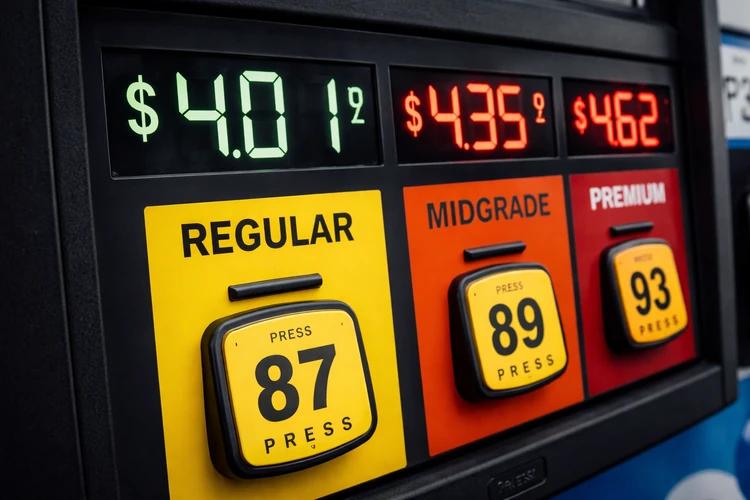
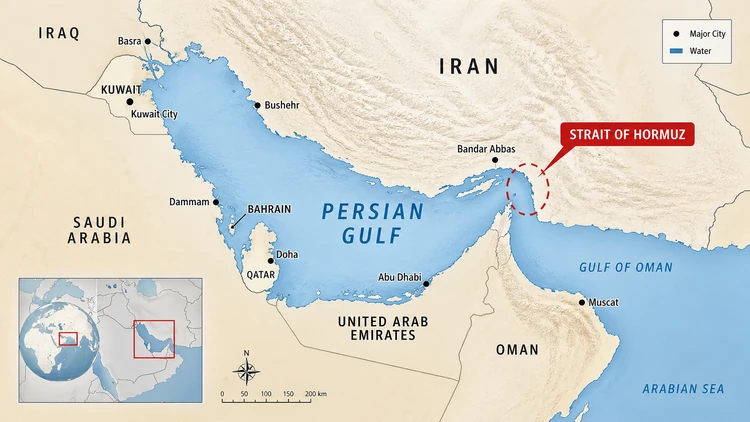
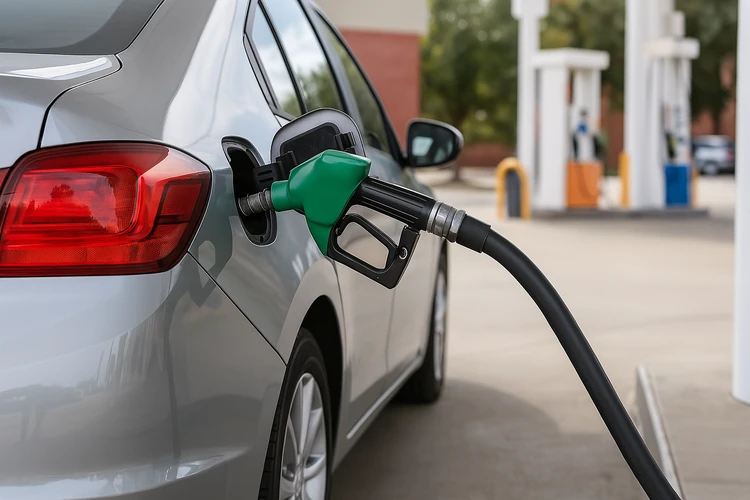
The first, and most notable area of price escalation has been for gasoline. Throughout the summer driving season prices at the pump remained stable and below seasonal norms. But in the fall, oil prices began to rise on speculation that the global economy was improving and that the U.S. dollar, which is used to price oil, would soon be worth less. For the first time ever, the average price of gasoline was over $3 a gallon on Christmas Day.
By the start of 2011, some food prices were sharply higher. Part of that was due to global weather conditions that reduced crop yields in many parts of the world. For example, Russia's wheat crop was reduced to the point that the government suspended all wheat exports.
Food commodities rise
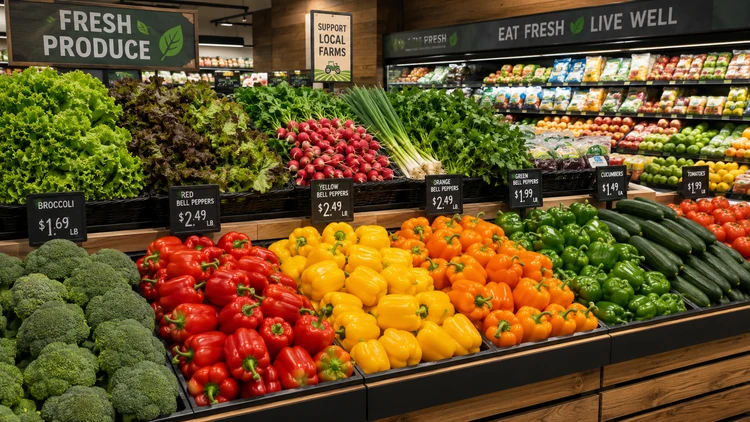
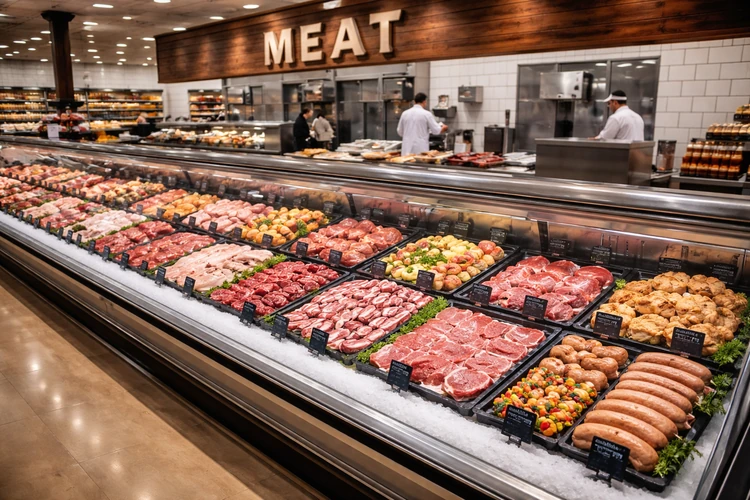
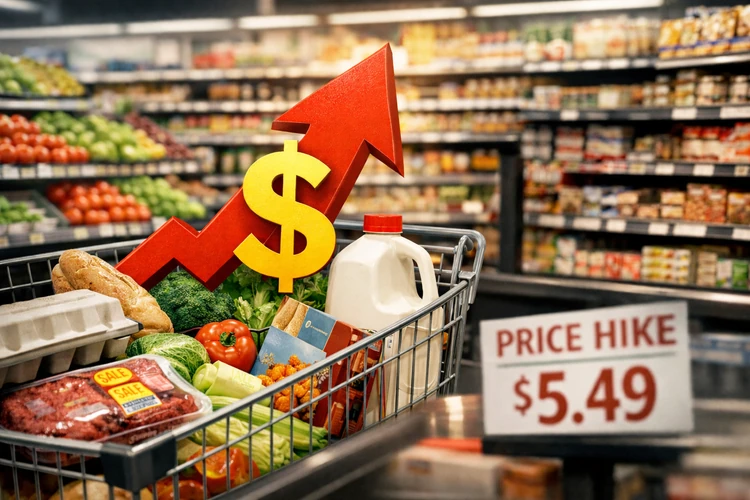
At the end of 2010, the U.S. Agriculture Department tracked higher prices for a wide range of U.S. food products, including meat, grains, and corn. Those prices have continued to climb in 2011 at the commodity level and are now beginning to be reflected in retail prices.
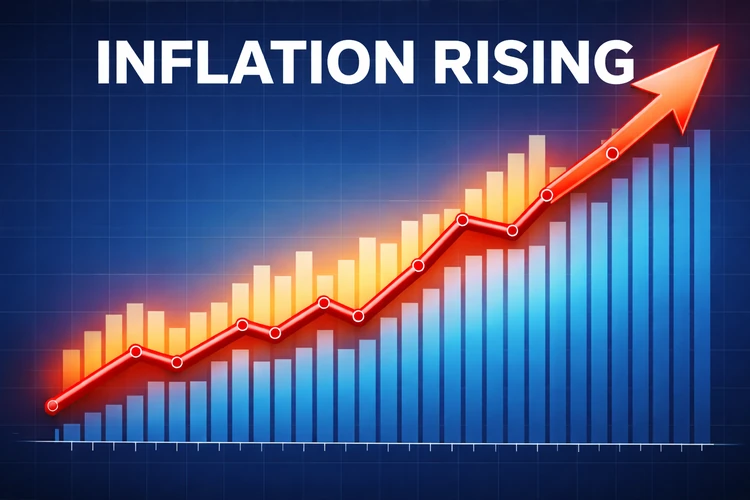
The release of January's inflation data is set for later this week and some economists expect to see some signs of inflation, at least more than last year. Most economic forecasts call for the overall inflation rate to run around 2.5 percent this year -- low by historical standards.
Still, some items might be a lot more expensive than others. Take clothing, for example. Apparel costs have remained fairly low for several years, but with recent sudden increases in the price of cotton, clothing manufacturers may be forced to pass those increases along to consumers later this year.
History repeating itself?
It was almost three years ago, in the winter of 2008, that prices of food and commodities began to rise sharply, catching many consumers off guard. Prices rose on the expectation that the global economy, especially the developing world, was on the cusp of rapid economic growth, and that demand for energy and food would press prices higher.
Instead, we got a global recession, which may or may not have been helped along by the sudden and selective increase in prices. To many, today has a similar feel.
Whether history repeats itself remains to be seen. The New York Times notes that food commodity prices are eight percent below the peak they reached in the summer of 2008, while energy prices are well below their highs.
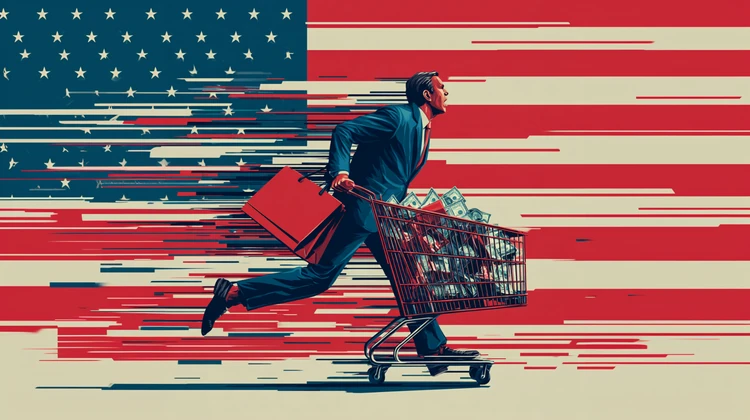
The question for consumers is whether companies will feel that they must now raise prices of finished products, to remain profitable. The question for companies is whether consumers will continue to buy, in the face of rising prices.